-full-color-rgb-2000px-w-72ppi.webp)
Brisbane storms commonly expose hidden drain and pipe problems such as blockages, overflows, cracked pipes and leaks caused by heavy rainfall, debris and shifting ground. This guide is for Brisbane homeowners, landlords and business owners who want to prevent stormwater issues from turning into expensive plumbing damage. It matters because what starts as a slow drain or minor blockage can quickly become flooding, pipe failure, or ongoing water damage after severe weather.
In this article, you’ll learn why storms put extreme pressure on plumbing systems, the most common drain and pipe problems to watch for, early warning signs and why post-storm inspections can stop small issues from escalating.
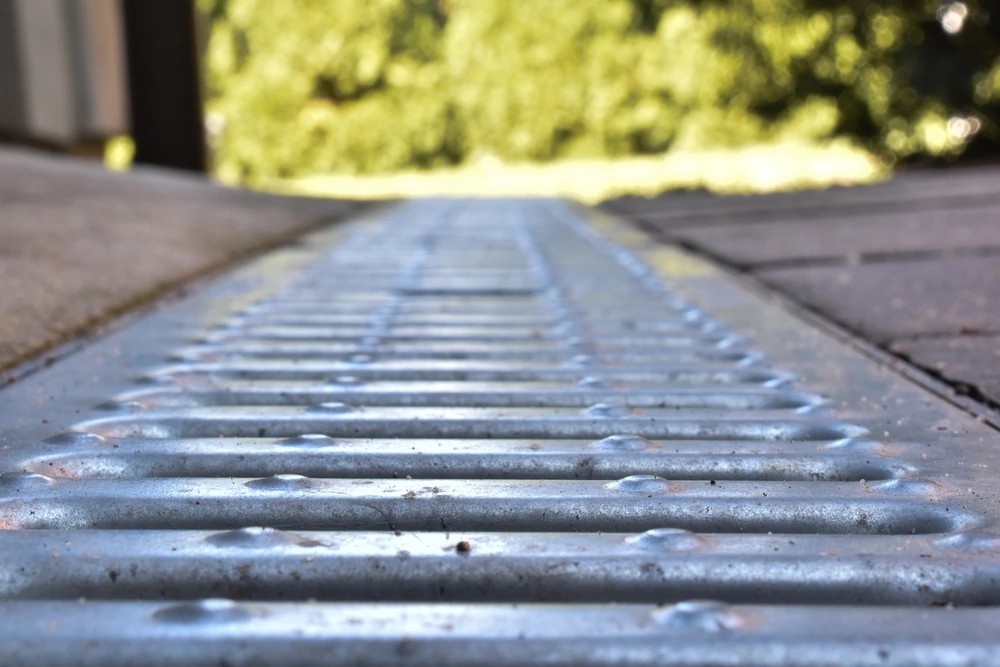
Why Brisbane Storms Place Extreme Stress on Drains and Pipes
Brisbane’s storm season places enormous pressure on plumbing systems because everything happens at once: heavy rainfall hits fast, stormwater drains are flooded with debris and soil becomes saturated almost immediately. When that much water is forced through stormwater and drainage systems in a short time, even a minor weakness can turn into a major failure.
From our experience, storms rarely “create” an issue from scratch. More often, they expose problems that were already quietly developing, such as partial blockages, ageing joints, or brittle pipes. This is why so many Brisbane homeowners only realise there’s an issue the moment the weather turns bad.
Intense Rainfall That Overwhelms Stormwater Systems
Brisbane storms can dump a huge amount of rain within hours. Stormwater systems are designed to carry rain away quickly, but they have limits. Once those limits are reached, water has nowhere to go but back up, overflow, or push pressure further into the system.
This is more likely when:
- Stormwater lines are undersized
- Grates are blocked with leaves and debris
- Downpipes overflow directly into the yard
- The property has poor surface drainage
- The line already has partial sediment build-up
Why Sudden Rainfall is Worse Than Steady Rain
Short, intense downpours are often more damaging than long, steady rain because they overwhelm drainage before water can spread out or soak in naturally.
Saturated Soil and Ground Movement Around Pipework
During and after storms, one of the biggest issues happens underground. Soil becomes heavy and unstable, particularly in Brisbane’s clay-rich areas. This movement puts stress on pipes that are buried beneath driveways, lawns and garden beds.
Saturated soil can:
- Shift and swell
- Collapse into voids
- Wash away pipe support
- Increase pressure against pipe walls
Why Brisbane Soil Conditions Matter
Brisbane properties often sit on reactive soil types that expand when wet and shrink when dry. Over time, those repeated cycles contribute to pipe movement, cracking and joint separation.
Why Older Plumbing and Drainage Systems Are More Vulnerable
Older homes and buildings across Brisbane suburbs are more likely to experience storm plumbing issues because their drainage systems were often designed for smaller rainfall events and lighter loads.
In older systems, we commonly see:
- Brittle PVC or old earthenware pipes
- Worn seals and joints
- Outdated stormwater layouts
- Lower capacity drains and pits
- Long-term tree root intrusion
The Hidden Risk with “It’s aAways Been Fine”
Many older systems appear to work normally until a storm pushes them past their limit. That’s why storms often trigger sudden overflows and drainage failures.
Blocked and Overflowing Drains After Heavy Rain
Blocked drains are one of the most common issues Brisbane property owners face after storm events. The reason is simple: storms drag debris into drainage systems at high speed and that material builds up in places where water flow slows down, such as bends, junctions, or damaged sections of pipe.
Overflowing drains aren’t just messy or inconvenient. They can lead to flooding around the home, water entering garages and lower levels and even moisture damage if water pools near the foundation. In some cases, overflow can also signal a deeper structural failure underground.
Debris and Sediment Washed Into Drain Lines
Stormwater doesn’t carry clean rainwater. It collects everything in its path and pushes it into your drainage system. That creates a perfect environment for fast-moving clogs.
Common materials washed into drains include:
- Leaves, bark and twigs
- Roof grit and gutter sludge
- Soil and sediment
- Grass clippings
- Litter from surrounding streets
Why Outdoor Drains Block Faster Than People Realise
Outdoor drains are exposed constantly, even in dry weather. A storm simply pushes all that built-up surface waste into the pipes at once.
How Storm Surges Force Existing Blockages to Surface
Many drains have partial blockages long before storms arrive. The system still appears to work, but the water flow is slower than it should be.
When a storm surge hits, it can:
- Compact the blockage into a solid plug
- Move debris deeper into the line
- Dislodge sludge and force it to jam elsewhere
- Push water back up to the nearest exit point
This is why a storm can suddenly cause a drain to overflow even if you didn’t notice symptoms beforehand.
Why Clearing the Top Drain Doesn’t Fix the Problem
Clearing visible debris at the grate might help temporarily, but if the blockage is deeper in the line, the overflow will return as soon as the next downpour begins.
Early Warning Signs Drains Are Struggling
Knowing what to look for early can save you a massive amount in repairs. If your drains are close to failing, storms will almost always bring those symptoms forward.
Warning signs include:
- Water pooling around outdoor grates
- Bubbling or gurgling toilets after rainfall
- Slow-draining sinks, showers, or floor wastes
- Downpipes overflowing near walls
- Unpleasant smells around drain openings
- Water rising in floor wastes during heavy rain
When These Signs Mean You Should Act Immediately
If you notice any of these signs during storm season, it’s best to act before the next storm hits. What’s manageable today can become a flood event tomorrow.
Burst Pipes and Structural Pipe Failures
Brisbane storms don’t just block drains. They can also lead to burst pipes and structural pipe failures, particularly in older plumbing systems or areas where soil becomes unstable. This type of damage is often more serious because it can create ongoing leaks underground without being visible straight away.
Structural failures also tend to cause recurring drainage issues. That means even after clearing blockages, the same drains may keep failing because the actual problem is a cracked pipe, collapsed section, or misaligned joint.
Soil Washout Leading to Pipe Fractures and Cracking
Stormwater can wash soil away from around buried pipes, especially in areas with slopes, gardens and poor surface drainage. Once that soil support disappears, pipes can sag or shift.
This can result in:
- Cracked pipe sections
- Fractures along older pipe walls
- Joint separation
- Sudden collapse of weakened pipe areas
High-risk Areas Around Brisbane Homes
We commonly see this happen under:
- Driveways
- Garden beds
- Sloped lawns
- Areas near retaining walls
Pressure Changes Inside Weakened Pipes
During storms, large volumes of water moving quickly can create unusual pressure changes inside drainage lines. Pipes that are already weakened by age, corrosion, or previous repairs are at higher risk.
Weak points may include:
- Corroded copper or galvanised steel
- Brittle older PVC
- Pipes damaged by roots
- Pipe sections exposed to repeated temperature shifts
What a “Near Burst” Pipe Looks Like
Some pipes don’t fully burst right away. Instead, they begin with a hairline fracture that worsens, leading to leaks or a delayed blowout days after the storm.
Joint and Connection Failures During Storm Conditions
Pipe joints are the most common structural failure point. During storms, soil movement and heavy flow can stress these connections.
Joint failure may cause:
- Ongoing leaks into surrounding soil
- Roots entering through gaps
- Sediment entering and creating recurring blockages
- Reduced drainage performance over time
Why Repeat Blockages Often Point to a Broken Pipe
If the same drain keeps blocking after storms, it’s often not just debris. It’s usually structural damage that needs proper investigation.
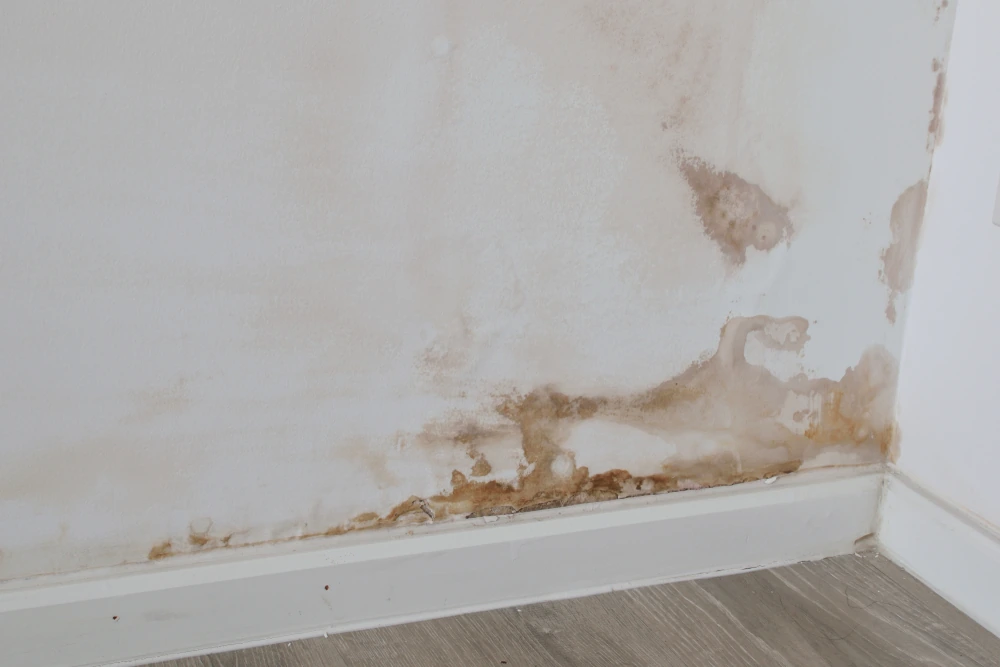
Hidden Drain and Pipe Damage That Appears After the Storm
Many storm-related plumbing issues don’t show up immediately. After rainfall stops, water drains away and everything looks normal. But underground, cracks, joint separation and slow leaks can continue to worsen.
This hidden damage is often what leads to repeated blockages, persistent odours, damp ground, or unexpected water damage weeks later. That’s why post-storm checks are one of the smartest preventative actions Brisbane property owners can take.
Cracks and Misalignment Beneath Ground Level
Storm conditions can cause pipe movement and misalignment underground. Even a small shift can create rough edges or “steps” where debris catches and builds up.
This can lead to:
- Repeated storm drain overflows
- Slow drainage that gets worse over time
- Increased root intrusion
- Eventual pipe collapse
Why This Problem Rarely Fixes Itself
Once pipes are out of alignment, each storm pushes more debris into the weak point. That makes the damage progressively worse.
Slow Leaks That Continue Long After Rain Stops
Slow leaks are dangerous because they can go unnoticed, especially when everything outside is still wet after storms. But leaks can continue for weeks, causing expensive damage.
Signs include:
- Damp patches around the home
- Muddy or sinking ground in one area
- Unexplained mouldy smells
- Moisture stains on walls or flooring
- Increased water bills
Why Small Leaks Become Major Property Damage
Water undermines soil and foundations over time. What seems like a small problem can end in driveway collapse, slab movement, or major excavation repairs.
Why Post-Storm Inspections Prevent Escalating Damage
Inspections are not just for “big emergencies.” They’re for catching early warning signs before they become one.
A post-storm drain and pipe inspection can identify:
- cracks and fractures
- tree root entry points
- collapsed or misaligned sections
- trapped debris and sediment buildup
- stormwater capacity issues
And if you’re dealing with sewer smells, indoor drain backup, or overflow, it’s time to contact an emergency plumber in Brisbane immediately before further property damage occurs.
When to Book an Inspection
A drainage inspection is strongly recommended if:
- Your property has flooded before
- You have recurring blockages
- Drains smell worse after rain
- Water pools in the same areas every storm
- You suspect underground pipe damage
Brisbane storms push drainage systems to their limits and that’s when hidden weaknesses in pipes and drains usually show themselves. Blocked drains, overflow, burst pipes, cracked joints and underground leaks are all common storm-triggered issues that can lead to major damage if ignored. The best protection is understanding the warning signs early, acting quickly and having your drains properly checked after severe weather.
At Hop To It Plumbing, we help Brisbane homeowners and businesses identify storm-related drain and pipe issues fast and repair them properly before the next storm makes the problem worse.