-full-color-rgb-2000px-w-72ppi.webp)
When something is not quite right with drains, it is easy to assume the issue will resolve on its own. Slow-draining sinks, occasional bad smells or gurgling pipes may seem minor at first, but these are often early warning signs of blocked drains in Brisbane and deeper problems hidden within the system. CCTV drain inspections provide a clear and accurate way to identify what is happening inside pipework without relying on guesswork or temporary fixes.
Hop To It Plumbing tackles how to recognise the key signs that indicate a CCTV drain inspection may be required, how the technology works and why early detection can prevent costly damage. Common indicators are explored in detail. Understanding these warning signs allows informed decisions to be made before a minor issue develops into a major drainage failure.
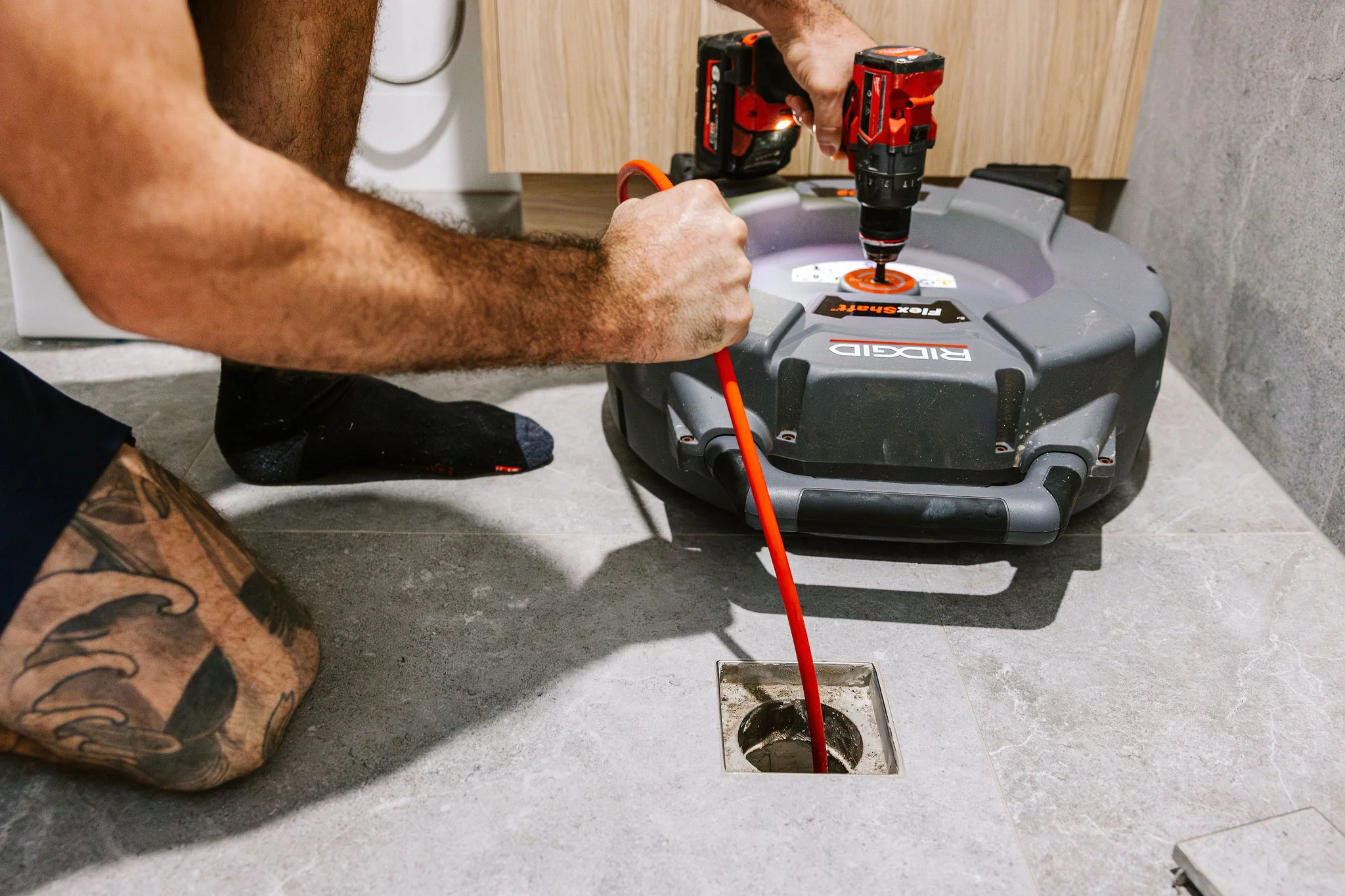
Recurring Blockages and Slow Drainage
Recurring blockages and slow drainage are often the first clear signs that something more serious is happening inside a drain line. When sinks, showers or toilets clog repeatedly or water consistently drains sluggishly even after plunging or using drain cleaners, the problem is rarely just surface-level debris.
A CCTV drain inspection is valuable in these situations because it shows what is actually restricting the flow inside the pipe. Instead of repeatedly treating symptoms, it becomes possible to pinpoint the exact cause and location of the issue and plan a permanent repair.
When “Normal” Blockages Become a Red Flag
Occasional clogs from hair, soap scum or kitchen grease are common in any property. The concern begins when blockages return in the same fixture or area within weeks or even days of being cleared. This pattern usually indicates a structural or hidden problem that general clearing methods cannot fully remove.
Warning patterns include a toilet that backs up every few weeks despite using a plunger or main bathroom drains that slow down again soon after being snaked. These signs suggest the presence of tree roots, partial collapses, heavy scale build-up or misaligned pipe joints that trap waste and debris.
A CCTV drain inspection allows a camera to travel through the pipe to visually confirm these issues. It identifies whether the blockage is caused by roots breaking through joints, a sag in the pipe that holds water or a foreign object lodged in the line. With clear footage, maintenance can be targeted rather than repeated blindly.
Slow Drainage Across Multiple Fixtures
Slow drainage in one sink might simply be a local trap problem. Slow drainage across several fixtures, especially on the same level of a building, often indicates a developing obstruction in a shared waste line or main sewer connection. A bath that takes a long time to empty, combined with a gurgling basin or a toilet that clears slowly even when not visibly blocked, should not be ignored.
This type of system-wide slowness can be caused by partial blockages that line the inside of the pipe rather than completely blocking it. Grease, fat wipes and sanitary products can gradually coat pipe walls, narrowing the passage. Misaligned or cracked sections of pipe can also snag material and progressively reduce flow.
When DIY Clearing Stops Working
Reliance on plungers, chemical drain cleaners or basic hand augers that provide only short-term relief is a strong indication that the underlying cause is not being addressed. Repeated use of harsh chemicals can damage older pipes, particularly PVC and metal.
A CCTV drain inspection replaces guesswork with evidence. Instead of cycling through products and tools hoping to hit the problem, it becomes possible to see if the issue is deeper in the line, if multiple obstructions exist or if there is a structural defect that requires professional repair. This approach saves time, prevents unnecessary damage to the pipework and reduces the risk of a sudden complete blockage at an inconvenient time.
Bad Smells, Gurgling and Backing Up Water
Persistent bad smells around sinks, toilets or outdoor drains, strange gurgling noises and water that backs up instead of draining are some of the clearest signs that something is wrong inside the pipework. These symptoms usually indicate a developing blockage, a partially collapsed pipe or a buildup of fats, food scraps or tree roots that cannot be seen from the surface.
Ignoring these early warnings often allows minor problems to turn into major drain failures. A CCTV drain inspection pinpoints exactly what is going on inside the line so the right repair can be carried out before sewage overflows or structural damage occurs.
Bad Smells From Drains or Around the Property
A strong sewage odour coming from a sink, shower, toilet or outdoor gully can mean wastewater is sitting trapped in the line, not flowing away as it should. Even if the fixture still appears to drain, slow flow or a partial obstruction can cause foul gases to build up and escape through waste outlets or vent pipes.
Smells that come and go, especially after heavy rain or high water use, often point to cracked or misaligned pipes underground. A break in the line allows wastewater to leak into the surrounding soil and sewer gas to escape. In multi-storey properties, odours that are strongest on the lower level can indicate issues in the main house drain rather than individual fixtures.
Gurgling Noises From Sinks, Toilets or Showers
Gurgling sounds from sinks when a toilet is flushed or from a shower after other fixtures are used typically indicate air trapped in the drainage system. This usually happens when a pipe is partially blocked or when the pipe has dipped and is holding water.
If air cannot move freely through the pipe, it forces its way through water seals in the traps and vents, creating the gurgling sound. This is often an early stage of a blockage that will later cause slow draining, then complete backup.
CCTV inspection makes it possible to see if the gurgling is due to internal build-up, such as soap scum, fat or scale, foreign objects lodged in the pipe or a structural defect like a low spot where water collects. This helps determine whether cleaning, such as jet blasting or physical repair, is needed.
Water Backing Up or Draining Slowly
Water rising in a shower when someone uses the washing machine, a toilet that frequently rises close to the rim before dropping or an outdoor drain that overflows during rain are all strong indicators of an obstructed or undersized drain line.
If multiple fixtures in the property are backing up at the same time, the main sewer line is the most likely problem area. A CCTV drain inspection can check for tree roots, collapsed sections, heavy scale, foreign objects or poorly installed joints that catch debris and cause recurring blockages.
By viewing the exact location and nature of the obstruction on camera, it becomes possible to choose the most effective and least invasive solution, whether that is targeted jet cleaning, root cutting, pipe relining or replacement of a damaged section.
Signs of Tree Roots or Damaged Pipes
Tree roots and damaged pipes are among the most common hidden causes of recurring drain problems. They usually start small and worsen eventually, so early warning signs are easy to miss. Recognising these indicators can help prevent a minor nuisance from becoming a major excavation or pipe replacement.
Although roots and structural damage occur underground, the symptoms often appear inside the home or in the garden. Paying attention to changes in drainage performance, unusual noises and visible ground movement is essential when deciding if a CCTV drain inspection is needed.
Recurring Blockages in the Same Drain
Frequent blockages in the same toilet, shower or floor drain are a classic sign of root intrusion or cracked pipes. Standard plunging or chemical drain cleaners may clear a small opening in the blockage, but the problem quickly returns because the underlying structural defect remains.
If any of the following patterns appear, a CCTV inspection is strongly recommended:
- The same fixture blocks every few weeks or months
- Multiple fixtures on the same line slow or back up together
- Plumbers have cleared the line before, but issues keep returning
Buildup often catches on broken pipe edges, displaced joints or a web of fine tree roots growing through small gaps in the pipe.
Gurgling Noises and Slow Draining
Tree roots and collapsed sections of pipe reduce internal pipe diameter and disrupt normal flow. This restriction can create trapped air pockets and pressure changes that present as gurgling sounds or persistent, slow drainage.
Warning signs include toilets that gurgle after flushing or when another fixture is used nearby, such as a shower or basin on the same line. Basins and showers that drain slowly, even after hair traps and visible debris are cleared, may indicate a restriction further down the line not accessible from the surface.
Wet Patches, Sunken Ground or Strong Odours Outdoors
Tree root damage often shows up in the garden before it is obvious indoors. Roots seek out moisture and can exploit even tiny joints or cracks, in older clay or concrete pipes. Eventually, this can lead to leaks and soil movement around the pipe.
Common outdoor signs include unexplained damp or lush patches of grass along the line of the sewer, especially during dry weather. Soft or sunken areas of ground paving that have shifted or small sinkholes can indicate soil being washed away by a leaking pipe. Persistent sewage odours around inspection points, gully traps or along fence lines, even when no visible overflow is present, also suggest an underground breach.
When the Cause of the Problem Is Still Unclear
Unexplained plumbing issues are a strong indicator that a CCTV drain inspection may be necessary. When surface symptoms keep appearing, but every obvious fix has already been tried, it usually means the problem is hidden deeper in the drainage system where it cannot be seen from above ground.
Traditional methods such as plunging, clearing traps or replacing short sections of pipe can only address issues that are visible or easily accessed. If problems persist despite these efforts, a camera inspection allows the internal condition of the pipework to be viewed directly, so the real cause can be identified instead of being guessed.
When Multiple Trades Cannot Find the Source
A common sign that a CCTV inspection is due is when different trades have attended, but none can pinpoint the fault. For example, a plumber may clear a suspected blockage, yet water still backs up a few days later, or a landscaper may repair a suspected surface drainage issue, but flooding continues near the same area.
The issue may lie in a collapsed or misaligned section of pipe, a tree root intrusion or a hidden connection that is not shown on any plans. Without a camera, there is a risk of repeating the same temporary fixes. A CCTV inspection allows the precise location, depth and nature of the defect to be identified, which then guides the correct repair method and prevents unnecessary excavation.
When Guesswork Would Lead to Unnecessary Digging
If the only way to investigate further is to start digging or breaking concrete without clear evidence of where the fault is located, a CCTV drain inspection should be carried out first. Unplanned excavation is costly, disruptive and can still miss the real problem if the wrong area is opened.
By feeding a camera through access points, the inspection shows exactly where defects are in relation to surface features such as walls, driveways or garden beds. This allows any necessary excavation to be limited to a small, accurate area or avoided entirely if a no-dig repair option is suitable.
What a CCTV Drain Inspection Can Reveal
A CCTV drain inspection provides a clear view inside pipes that are usually hidden from sight. By sending a small camera through the drainage system, it becomes possible to see the exact cause and location of problems that would otherwise be guesswork. This level of detail helps target repairs accurately and avoid unnecessary digging or pipe replacement.
The recorded footage is used to create a detailed report that shows what is happening inside the drains at specific points. This makes it easier to plan effective maintenance, choose the right repair method and identify issues before they become emergencies.
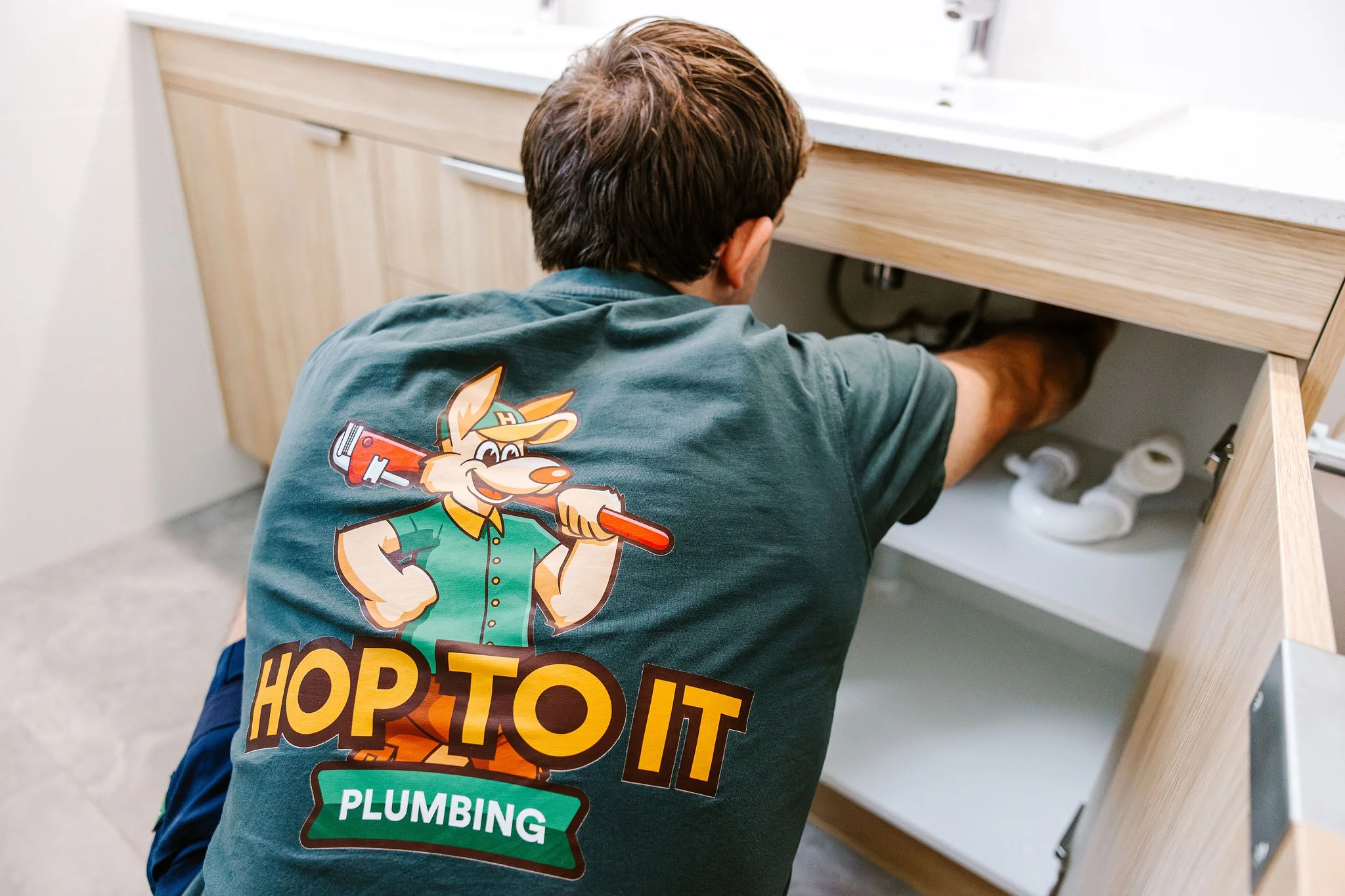
Blockages, Build‑ups and Foreign Objects
One of the most common findings is the source and extent of a blockage. A CCTV inspection can show whether slow drains are caused by:
- Grease and fat build‑up from kitchens
- Soap scum and hair in the bathroom lines
- Wipes, sanitary products or other items that should not be flushed
The camera can reveal if the blockage is soft and likely to be cleared with high-pressure jetting or if it is a hard obstruction such as concrete, grout or a foreign object lodged in the pipe. It also shows how far along the line the issue is located, reducing time spent searching and minimising disruption during repairs.
Tree Root Intrusion and Pipe Damage
Tree roots are a major cause of recurring drain problems. CCTV footage can show exactly where roots have penetrated a pipe and how extensive the intrusion is. It can reveal if roots are hair‑fine strands entering through small gaps or thick masses filling the entire pipe.
The inspection also picks up structural damage such as cracks, fractures, holes, open joints and pipe misalignment. These defects often allow soil to enter and wastewater to escape, leading to sinkholes or property damage if left untreated. The video shows whether a pipe is only slightly compromised or severely collapsed, which is crucial when deciding between relining and full replacement.
Sagging, Poor Installation and Hidden Defects
CCTV inspections frequently reveal issues caused by incorrect installation or ground movement. A common problem is a sagging section known as a belly in the pipe, where water and waste collect instead of flowing away. The camera clearly shows standing water or sediment sitting in these low points, which explains persistent blockages or bad odours.
Footage can also expose:
- Incorrect pipe gradients are affecting the flow
- Sections made with different materials joined poorly
- Intrusive connections from neighbouring properties
- Old or redundant pipework is still connected to the system
These hidden defects are difficult to diagnose from the surface alone. Identifying them on video allows targeted correction that improves the overall performance of the drainage system and reduces the risk of future failures.
Recognising the early signs that a CCTV drain inspection may be required is essential for protecting property, health and long-term maintenance costs. Persistent slow drainage, recurring blockages, gurgling noises, foul odours, damp patches or unexplained lush areas in the garden all point to hidden issues that cannot be properly diagnosed without internal inspection. Addressing these symptoms early provides clarity on the condition of pipework, the exact location of defects and the most effective repair method. Taking a proactive approach reduces the likelihood of sudden failures, limits unnecessary excavation and supports the performance of the drainage system.