-full-color-rgb-2000px-w-72ppi.webp)
Brisbane homeowners often worry about leaks, blocked drains or ageing pipes. But one of the most persistent and costly issues is something many don’t see coming: hard water damage. It’s a slow, silent problem that affects the way your water flows, how your appliances run and even how long your plumbing lasts. At Hop To It Plumbing, we’ve seen households experience preventable wear and tear simply because hard water wasn’t detected early. Once you understand what to look for, there’s a lot you can do to stop the damage before it becomes costly.
Below, we break down what hard water is, why it matters, how to spot the early signs and the most effective ways to fix and prevent long-term plumbing complications.
What Hard Water Is and Why It’s a Problem
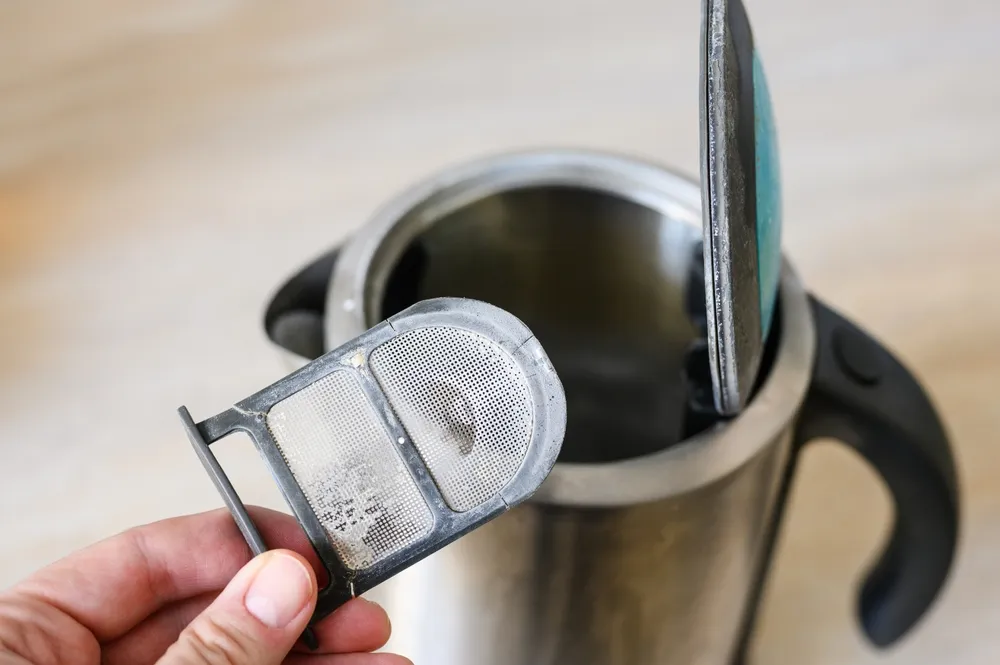
Hard water isn’t just “water with minerals”; it’s a common issue caused by naturally high levels of calcium and magnesium in the local water supply. Eventually, these minerals accumulate inside pipes, coat your fixtures, reduce appliance efficiency and create long-term maintenance concerns. Before you realise it, the hidden buildup can start affecting your budget, raising energy use, increasing appliance servicing needs and creating more frequent plumbing call-outs.
Understanding the Minerals Behind Hard Water
Hard water forms when underground water passes through mineral-rich layers of limestone, sandstone and rock. As these minerals dissolve, they enter your water supply, increasing “hardness levels” far beyond what your plumbing systems can safely handle long-term. Understanding these mineral interactions helps homeowners appreciate why hard water is more than a cosmetic nuisance.
- Calcium carbonate is responsible for chalky scale on taps and kettles
- Magnesium contributes to stubborn buildup in pipes and hot water systems
- Iron traces may add slight discolouration or metallic tastes
How It Affects Your Pipes, Fixtures and Appliances
Hard water may look harmless, but its long-term effects impact nearly every part of your plumbing. The constant accumulation of mineral deposits gradually narrows pathways, reducing performance and forcing systems to work harder. This not only affects your daily comfort but also shortens the lifespan of valued home appliances. Some of the most common impacts include:
- Pipe blockages and reduced water flow due to internal scale buildup
- Shortened lifespan of hot water systems, especially electric storage models
- Blocked aerators and showerheads, leading to weak or inconsistent pressure
- Increased energy use, as appliances work harder to heat water through the scale
- Damage to washing machines and dishwashers, especially heating elements
The Hidden Costs of Long-Term Hard Water Exposure
Beyond the obvious physical damage, hard water increases your household expenses, often without you realising the cause. Over months or years, the effect becomes significant enough to influence maintenance schedules, appliance breakdowns and even the quality of your daily water use. Long-term hard water exposure contributes to the following:
- Higher energy bills
- More frequent appliance repairs
- Reduced efficiency of water-based systems
- Premature replacement of taps, mixers and fittings
Spotting the Signs of Hard Water in Your Home
Many are already dealing with hard water symptoms but mistake them for normal wear and tear. The signs often start small: slightly chalky faucets, glasses that never look perfectly clean or soap that doesn’t lather well. Yet these clues often indicate deeper plumbing issues that are developing behind the scenes. Recognising these early signs not only saves you time and money but also helps prevent avoidable long-term repairs.
Common Indicators You Might Be Overlooking
Hard water doesn’t usually show up overnight. Instead, they show up gradually through small inconveniences that are easy to dismiss or misinterpret as routine household wear. A lot of people get used to these issues without realising they point straight to hard water. By learning to recognise these subtle indicators early, you can catch hard water issues long before they start affecting your plumbing and appliances in costly ways.
- Soap scum that returns quickly, even after cleaning
- Laundry that feels stiff or scratchy
- A metallic or mineral taste in drinking water
How Hard Water Impacts Daily Comfort and Efficiency
Hard water doesn’t just leave scale; it changes how efficiently your home’s water systems run. Showers weaken, hot water systems take longer to heat and appliances consume more energy as they struggle against mineral buildup.
- Longer appliance cycles, raising energy consumption
- Skin and hair feel dry or irritated after showers
- Hot water systems are taking longer to heat due to scale insulation
Changes in Water Quality You Shouldn’t Ignore
Water quality changes are often the first clue that hard water minerals are rising. If your water looks cloudy, smells unusual or leaves new stains in sinks and tubs, these early signs usually mean mineral deposits are building up inside your plumbing.
- Sudden shifts in water clarity
- Unusual odours or metallic aftertastes
- Increased staining inside sinks or tubs

Proven Ways to Prevent and Fix Hard Water Damage
Preventing and treating hard water isn’t just about cleaning surfaces because it requires a combination of long-term solutions and regular maintenance practices. Homeowners who take proactive steps often see improvements in water pressure, appliance performance and plumbing longevity almost immediately.
Installing the Right Filtration or Softening System
The most effective solution for hard water in homes is installing a water softening or filtration system. These systems stop minerals before they enter your plumbing, reducing long-term scale formation inside pipes and appliances. Common solutions include:
- Water softeners are ideal for high-mineral areas; they replace calcium and magnesium
- Whole-house filtration systems trap minerals and impurities
- Inline filters are useful for protecting specific appliances
- Reverse osmosis systems offer premium filtration for drinking water
Cleaning and Descaling Tips for Long-Term Results
Even after installing a softener or filter, the scale already inside your pipes and fixtures must be removed to fully restore proper flow and appliance efficiency. Here are some helpful descaling approaches:
- Soaking showerheads and aerators in vinegar solutions
- Using descaling products on kettles and hot water systems
- Wiping and drying fixtures to prevent mineral spotting
Upgrading Fixtures Designed to Resist Mineral Buildup
Modern fixtures are built to resist mineral deposits, making cleaning easier and preventing frequent blockages. Consider upgrading to these:
- Hard-water-resistant showerheads
- Mixers with ceramic disc cartridges
- Tapware with anti-scale coatings
When to Bring in a Professional Plumber
Hard water issues often progress quietly, and by the time homeowners notice symptoms, the buildup may already be affecting deeper parts of the plumbing system. Bringing in a professional ensures the problem is properly diagnosed and fixed before it results in major repairs or system failures.
Restoring Efficiency and Preventing Future Buildup
A professional plumber in Brisbane can remove mineral scale. Their specialised tools allow for precise descaling, pipe flushing and hot water system servicing. These tools reach much deeper into your system than any DIY method at home. Professional intervention may include these:
- Flushing pipes to remove internal scale
- Servicing hot water systems
- Replacing blocked or damaged fittings
- Installing long-term filtration or softening solutions
Maintenance Practices for Ongoing Protection
Because hard water levels fluctuate throughout the year, regular plumbing check-ups are essential to prevent minerals from accumulating again. Here are some recommended maintenance routines:
- Annual plumbing inspections
- Professional descaling of hot water systems
- Checking and cleaning aerators and showerheads
- Monitoring filter or softener systems for cartridge changes
When Hard Water Damage Requires Urgent Repairs
Certain symptoms suggest that mineral buildup has already damaged internal pipework, hot water components or fittings and delaying repairs can make the problem far more expensive. A licensed plumber can assess the severity and recommend immediate repair or replacement. Seek urgent help if you notice these issues:
- Brown, rusty or gritty water
- Hot water system failure
- Frequent appliance malfunctions
Hard water issues don’t fix themselves. And the longer the minerals build up, the harder they are to remove. If you’ve noticed the early signs of scale, reduced pressure, appliance problems or changes in water quality, now is the best time to act. At Hop To It Plumbing, we help homeowners restore proper flow, protect their hot water systems and prevent the long-term damage hard water can cause. Whether you need a full inspection, descaling or help choosing a filtration system, we’re here to point you in the right direction and get your plumbing running properly again. Book a service today and keep your plumbing running efficiently, safely and reliably before minor issues turn into costly repairs.