-full-color-rgb-2000px-w-72ppi.webp)
Highly reactive clay soils shift, hold moisture and place constant pressure on underground pipes, creating ideal conditions for tree roots to invade and block drains. At Hop To It Plumbing, we see how local soil conditions contribute to stubborn drain problems across various suburbs.
This article is for homeowners, property managers and builders dealing with recurring drainage issues, especially those frustrated by repeat callouts for blocked drains in Brisbane. It’s important because clay soil behaviour often turns small pipe defects into ongoing blockages, leading to higher repair costs and potential property damage if the cause is not properly addressed.
In this guide, you will learn how clay soils affect drain pipes, why tree roots are drawn to them, how blockages worsen over time and what long-term prevention options actually work.
How Clay Soil Behaviour Affects Underground Drain Pipes
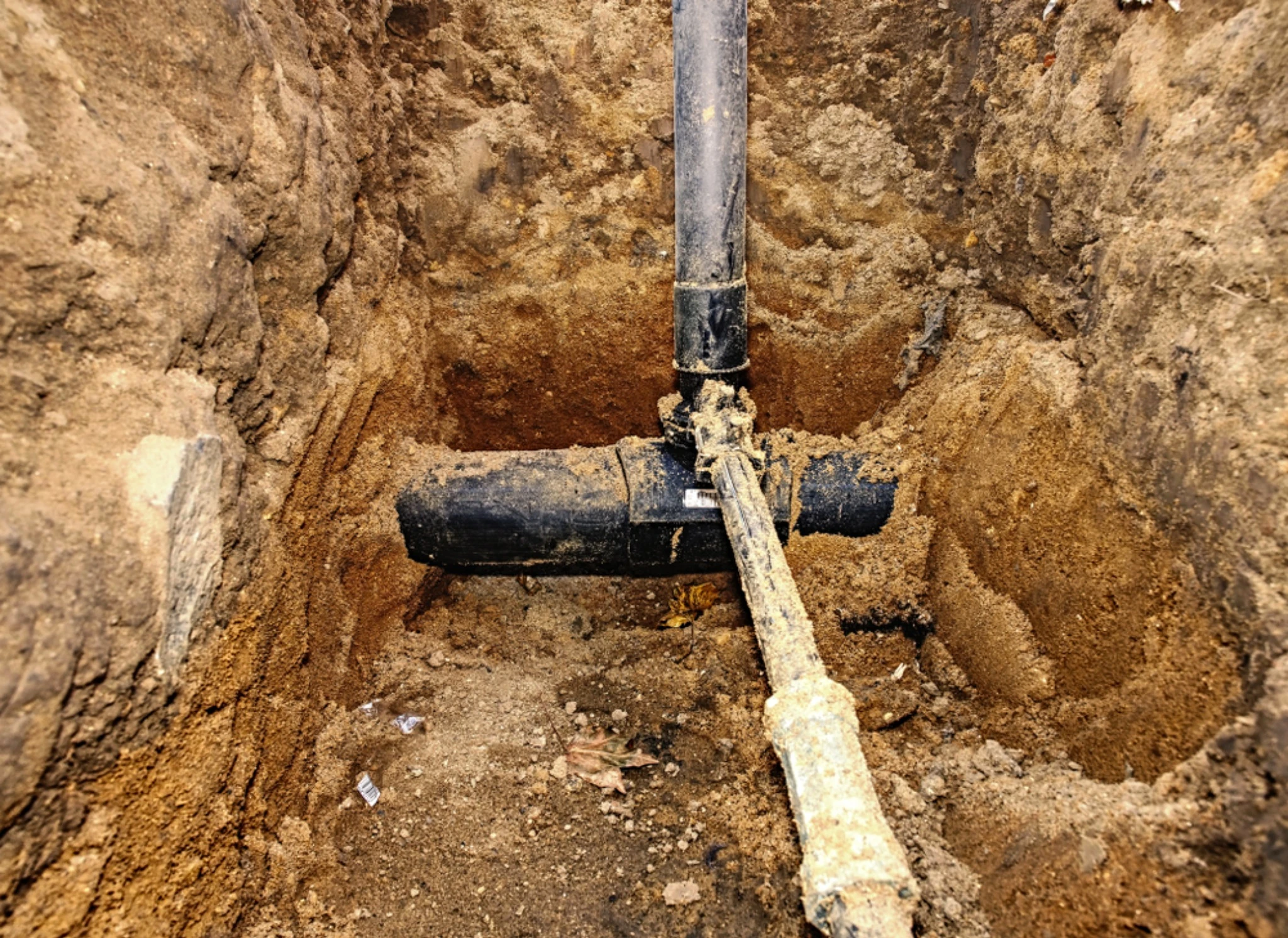
Brisbane is built on highly reactive clay soils that expand when wet and shrink as they dry. This constant movement places stress on underground drainage infrastructure throughout the year. Over time, even correctly installed pipes can be affected by shifting ground conditions.
Rather than causing sudden failures, clay soils typically lead to gradual pipe movement and joint weakening that goes unnoticed until blockages occur.
Expansion and Contraction During Wet and Dry Cycles
Clay soils absorb water and swell during wet periods, then shrink during dry spells. This repeated cycle causes the surrounding ground to push against and pull away from the drain pipes. The movement is slow but persistent, affecting pipes over many years.
- Soil swelling increases pressure on pipes during heavy rain
- Dry conditions cause soil shrinkage and loss of pipe support
- Repeated movement forces pipes to flex beyond their design limits
These seasonal changes weaken pipes and increase the likelihood of joint failure.
Ground Movement That Stresses Pipe Joints
Pipe joints are the most vulnerable points in any drainage system, particularly in reactive soils. Clay movement applies uneven pressure along pipe runs, causing joints to twist or separate slightly. Older pipes are especially susceptible due to ageing materials and outdated joint designs.
- Joint seals loosen under repeated ground movement
- Small separations form where pipes connect
- Misalignment increases the risk of leaks and cracks
Once joints are compromised, they become prime entry points for tree roots.
Why Minor Pipe Gaps Form Over Time
Most drainage issues in clay soil begin with very small gaps rather than obvious cracks. These gaps develop gradually as pipes respond to ongoing soil movement. Because water still flows initially, the damage often goes unnoticed.
- Hairline openings allow moisture to escape into the surrounding soil
- Leaks may not be visible from inside the home
- Escaping water softens soil and attracts roots
Even minor gaps are enough to trigger root intrusion if left untreated.
Why Tree Roots Are Drawn to Drains in Clay Soil
Tree roots are not randomly damaging pipes. They actively respond to moisture, oxygen and nutrients in the surrounding soil, all of which are influenced by local ground conditions. In clay-heavy areas, drains often become one of the most reliable and consistent water sources, particularly during extended dry periods.
Because clay soils hold moisture and restrict natural drainage, even minor pipe leaks create strong attraction points for root systems. Once roots detect a drain line, the surrounding clay soil helps guide and sustain their growth along the pipe, increasing the risk of intrusion and ongoing blockages.
Moisture Retention That Attracts Root Growth
Clay soils retain water far longer than sandy soils, keeping areas around pipes damp for extended periods. Even small leaks provide a consistent moisture source. Tree roots naturally grow towards these reliable water supplies.
- Damp soil around drains signals a stable water source
- Roots extend towards leaking joints and cracks
- Dry weather increases root reliance on underground moisture
This makes drains particularly attractive during dry seasons.
Pipe Trenches as Preferred Root Pathways
Drain pipes are installed in trenches filled with looser backfill than the surrounding clay. Roots find these trenches easier to penetrate and navigate. Once roots enter the trench, they often follow the pipe along its entire length.
- Looser soil offers less resistance to root growth
- Trenches act as direct pathways to moisture
- Roots spread quickly once established
This explains why root intrusion often affects multiple sections of a drain.
How Small Leaks Signal Water Sources to Roots
Tree roots are highly sensitive to moisture changes in the soil. Even a slow leak from a pipe joint creates a detectable water signal. Roots respond by growing towards the source and surrounding the pipe.
- Escaping water creates a moisture gradient
- Roots cluster around leaking joints
- Continued growth forces roots inside the pipe
What starts as a minor leak can become a severe blockage if ignored.
How Clay Soils Worsen Root Intrusion and Blockages
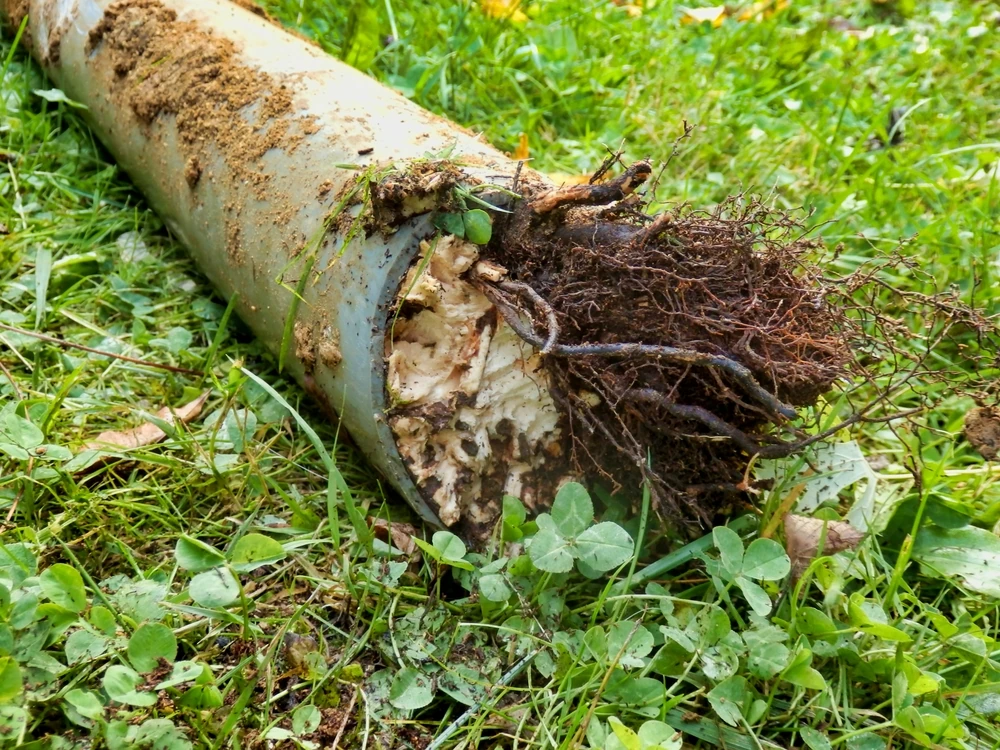
Clay soil does more than simply attract tree roots. Its dense, reactive nature actively accelerates how quickly root intrusion turns into serious drain blockages once roots enter a pipe. High soil pressure and long-lasting moisture around drains place ongoing stress on pipe joints while encouraging faster root growth inside the system.
Because these conditions persist year-round, clearing roots alone rarely provides a lasting fix. Without addressing the surrounding clay soil behaviour and underlying pipe damage, root-related blockages are likely to return and worsen.
Soil Pressure That Enlarges Root Entry Points
As clay soil expands, it applies pressure around both the pipe and any roots inside it. Roots lodged in joints act like wedges. Each wet cycle increases pressure and forces the gaps wider.
- Expanding clay compresses pipes externally
- Roots inside joints push outward
- Entry points grow larger over time
Larger openings allow thicker roots to enter and worsen blockages.
Faster Root Thickening in Damp Conditions
Clay soils remain damp long after rainfall, creating ideal conditions for rapid root growth. Roots inside pipes thicken faster in these environments. This leads to quicker debris buildup and reduced pipe capacity.
- Constant moisture accelerates root expansion
- Thick roots trap waste and paper easily
- Blockages escalate more rapidly
This explains why clay soil blockages worsen quickly after initial intrusion.
Why Clearing Roots Alone Often Fails
Root cutting removes the immediate obstruction but does not fix the damaged pipe or soil pressure. Gaps remain, and moisture continues to leak. Roots quickly regrow and re-enter the pipe.
- Entry points are left unsealed
- Soil movement continues to stress joints
- Roots return thicker and more aggressive
Without repair, repeat blockages are almost inevitable.
Preventing Repeat Root Blockages in Clay Soil Areas
Preventing ongoing drain blockages in clay soil areas requires more than simply removing roots when a problem occurs. It involves addressing both the condition of the pipe itself and the way reactive clay soils behave around it. This means selecting repair and prevention methods that can tolerate soil movement, moisture retention and seasonal ground shifts.
Long-term prevention is far more effective and cost-efficient than repeated emergency clearing, which only treats the symptoms. Early detection combined with appropriate repair and preventative strategies can significantly reduce future disruption, protect your drainage system and minimise ongoing repair costs.
Early Signs of Root Intrusion in Homes
Root intrusion usually shows warning signs before a complete blockage occurs. Recognising these signs early allows for targeted intervention. Ignoring early symptoms often leads to emergency repairs.
- Slow-draining fixtures
- Gurgling noises from toilets or sinks
- Recurring blockages in the same area
- Sewer smells near outdoor drains
Early action helps prevent major pipe damage and property disruption.
Repair and Lining Options That Address Soil Movement
Modern drain repair methods are designed to cope with clay soil movement. Pipe relining creates a sealed internal layer that eliminates joints and gaps. It also strengthens the pipe without excavation.
- Continuous lining prevents root re-entry
- No joints for soil movement to exploit
- Added flexibility and structural support
Relining offers a long-term solution suited to various conditions.
Landscaping and Drainage Choices That Reduce Risk
Managing surface water and vegetation plays a role in prevention. Landscaping decisions directly affect soil moisture and root behaviour. Small changes can significantly reduce future risk.
- Keep large trees away from sewer lines
- Install root barriers where trees already exist
- Improve surface drainage to reduce saturation
- Avoid overwatering near pipe runs
These measures reduce moisture attraction and soil pressure around drains.
Clay soils make tree root drain blockages worse by shifting pipes, retaining moisture and accelerating root growth once intrusion begins. Understanding this interaction is essential for preventing repeat issues rather than treating symptoms. At Hop To It Plumbing, we help resolve drainage problems by addressing pipe damage and the challenging clay soil conditions.