-full-color-rgb-2000px-w-72ppi.webp)
Acid rain and hard water may seem like outside environmental issues, but water quality can have a direct effect on the plumbing inside a home. Over time, factors such as low pH and mineral-heavy water can contribute to pipe corrosion, scale buildup, reduced water flow and premature wear in fixtures, appliances and hot water systems. What first appears as staining around taps, cloudy glassware or lower water pressure can often point to more serious problems developing within the plumbing system.
As a plumber in Brisbane, Hop To It Plumbing understands how these issues can affect homes across Brisbane and how easily the early signs are overlooked. This article explains how acidic water conditions and hard water can damage pipes, fixtures and appliances, what warning signs homeowners should pay attention to and why early intervention matters. With a better understanding of what is happening inside the plumbing, homeowners can make more informed decisions and reduce the risk of costly repairs later on.
What Acid Rain and Hard Water Do to Home Plumbing
Acidic water conditions and hard water affect plumbing in different ways, but both can quietly shorten the lifespan of pipes, fixtures and appliances. Over time, they can cause leaks, reduced water pressure, stained surfaces and higher energy bills, even in homes that appear to be functioning normally. Because much of this damage develops out of sight inside the plumbing system, the underlying problem is often not recognised until it becomes more serious.
How Acid Rain Damages Pipes and Fixtures
Acid rain is one of several environmental factors that can contribute to acidic water conditions. When water is slightly acidic, it can gradually eat away at metal plumbing materials over time. This is more of a concern in older homes with copper, galvanised steel or cast iron pipes, as well as metal fittings, valves and hot water system components.
Acidic water dissolves tiny amounts of metal from the inside of pipes. This thins pipe walls and creates weak points that may eventually form pinhole leaks. In galvanised steel or cast iron, it can also encourage internal rust, which builds up in flakes that may clog aerators, showerheads and tap cartridges.
Homeowners might notice blue-green stains in sinks, baths or toilets from dissolved copper, or reddish-brown discolouration from iron. Water may also develop a metallic taste, and older hot water systems may produce rust-coloured hot water or show small leaks around fittings. Inside the plumbing system, the damage is often more advanced than what can be seen from the outside.
How Hard Water Causes Scale and Blockages
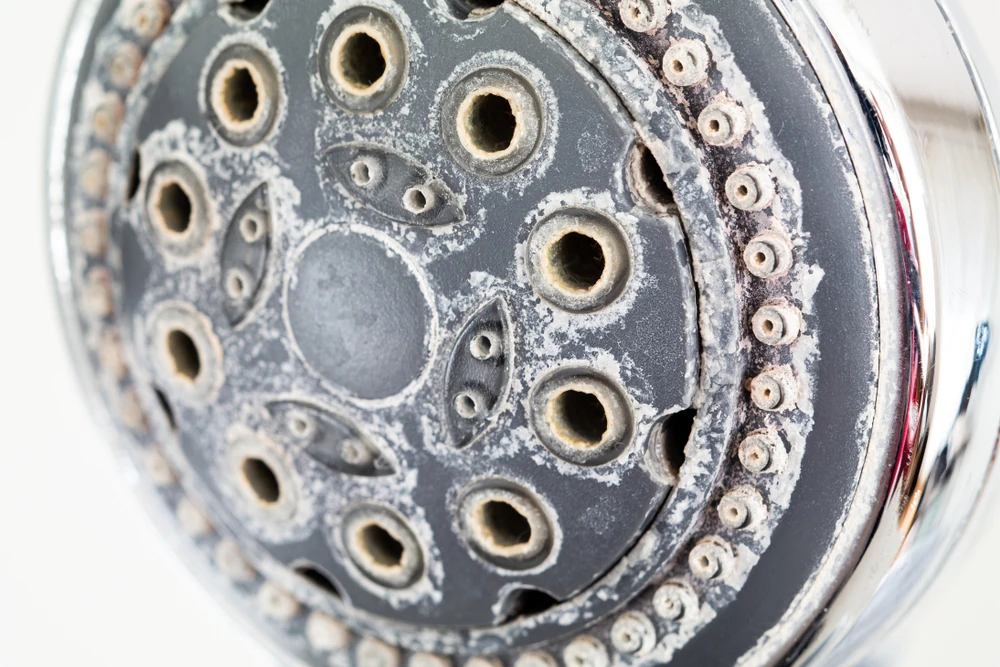
Hard water contains high levels of dissolved calcium and magnesium picked up as water moves through soil and rock. When this water is heated or sits in pipes, those minerals separate out and form hard white or yellowish scale. Unlike acidic water, which slowly corrodes plumbing materials, hard water leaves a crust-like buildup on the inside of the system.
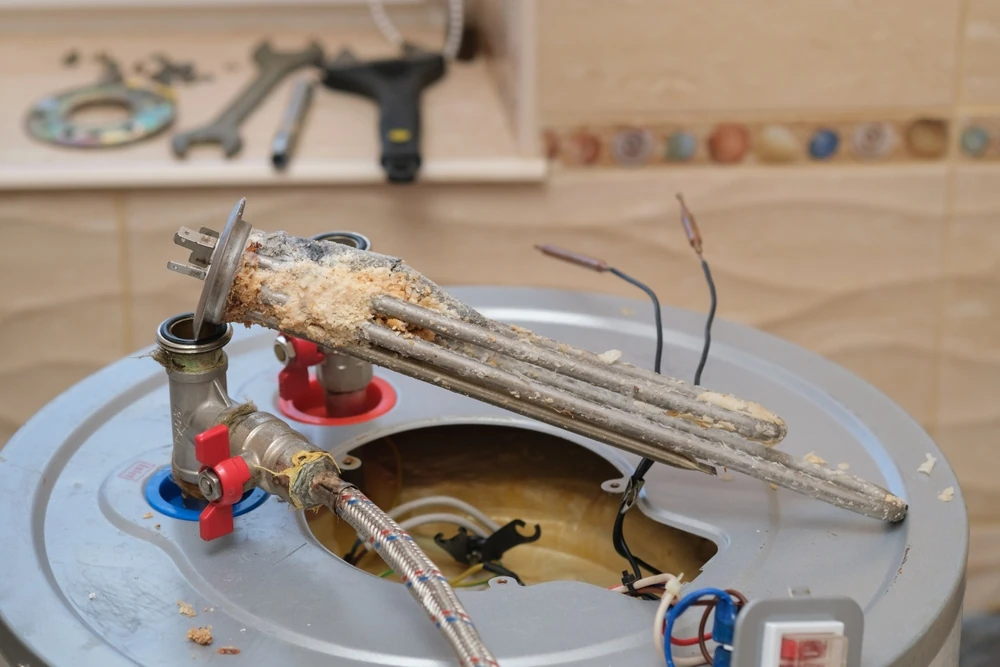
Scale narrows supply lines and builds up inside isolation valves, fixtures and appliances. Homeowners may notice lower water pressure, especially at hot water taps, because mineral buildup is usually worse in lines carrying heated water. Hot water systems also become less efficient as scale coats heating elements or settles in the bottom of the tank, forcing the unit to work harder to deliver the same amount of hot water.
Signs of hard water problems include chalky film on taps and showerheads, blocked aerators, stiff laundry and spotting on dishes or glassware. Inside appliances such as dishwashers, washing machines and continuous flow hot water systems, scale can shorten equipment life and affect performance over time.
Combined Effects on Modern Plumbing Systems
Many homes contain a mix of plumbing materials, such as copper pipework, PEX water lines and brass fittings. In these systems, acidic water can still corrode metal components, while hard water can still leave mineral deposits inside fixtures, valves and appliances. Even in more modern plumbing systems, these issues can gradually affect performance and shorten the lifespan of key components.
Together, acidic water and hard water can create a mixed pattern of damage throughout the system, with corrosion weakening metal in some areas and scale building up in others. This can make the underlying problem harder to identify without proper inspection or water testing. In many cases, the full extent of the wear is not obvious until symptoms become more widespread or repairs are already needed.
Signs Your Plumbing Is Being Affected
When acidic water conditions or hard water begin affecting a home’s plumbing, the signs often appear gradually. Homeowners may first notice minor issues such as reduced water pressure, staining around fixtures or persistent spotting on surfaces before more serious leaks or pipe failures develop. Recognising these early warning signs can help prevent more extensive damage and reduce the likelihood of costly repairs.
Visible changes around taps, fixtures, appliances and drains are often the first clues that water quality is affecting the plumbing system. Many of these signs are easy to spot without specialised tools and can indicate when further inspection or water testing is needed.
Changes in Water Pressure and Flow
One of the earliest clues is a change in how water flows from taps and showers. Hard water leaves mineral deposits inside pipes, fittings and aerators, which narrow the opening and restrict flow. A strong shower can turn into a weak drizzle even though the water main pressure has not changed.
Acidic water can also cause pressure issues, but for a different reason. As it slowly affects metal pipes, it creates rough, pitted internal surfaces. Corrosion flakes can then break away and lodge in bends, valves or tap cartridges, leading to uneven pressure that comes and goes or affects only certain fixtures.
If only one tap has low flow, the issue may simply be a blocked aerator. If several fixtures are affected, especially on the same branch or in the same part of the house, it can point to scale buildup or corrosion inside the plumbing.
Visible Stains, Spots and Build Up
Sinks, baths, toilets and fixtures often show hard water and acidic water problems before pipes do. Hard water, which contains higher levels of calcium and magnesium, can leave behind:
- White chalky crust on tap spouts, showerheads and around tap bases
- Off-white or tan rings around drains or in toilet bowls
- Cloudy spots or film on glass shower screens and tiles that do not wipe off easily
Acidic water tends to cause different staining patterns. As it dissolves copper or iron from pipes and fittings, it can create blue-green marks in sinks, baths or toilets, or rusty orange streaks on porcelain. If water in a basin looks slightly blue or has a metallic taste, that can also point to corrosion.
Unusual Noises, Leaks and Appliance Problems
Noises from the plumbing system can also signal damage from hard or acidic water. Kettling or rumbling sounds from a hot water system often mean a thick layer of scale has formed on the heating elements or at the bottom of the tank. Popping or crackling on startup is another warning sign. Hard water scale forces the unit to work harder, shortening its lifespan and increasing energy costs.
Pinhole leaks in copper pipes, tiny damp spots on walls or ceilings, or green crust on pipe joints often result from long-term acidic water corrosion. Slow weeping around isolation valves or under-sink supply lines should never be ignored, as small leaks often develop into larger failures over time.
Dishwashers and washing machines affected by hard water may leave dishes with a cloudy film or laundry that feels stiff even with detergent and softener. When these issues appear alongside visible scale on fixtures, it is a strong sign that hard water is affecting more than one part of the plumbing system and that proper testing or treatment may be needed.
Long-Term Risks if Water Damage Is Ignored
Ignoring the early signs of damage from acidic water or hard water can turn relatively minor issues into major plumbing and structural problems. What begins as cloudy tap water, reduced pressure or faint staining can eventually lead to hidden leaks, burst pipes and water quality concerns. Because these problems often develop gradually, significant damage may already be present by the time the cause becomes obvious.
Acidic or mineral-heavy water can accelerate corrosion and scale buildup throughout the home’s plumbing system. Over time, this can weaken pipework, reduce efficiency and place extra strain on fixtures and appliances. Without early attention, the damage may continue spreading unnoticed for years before more serious repairs are needed.
Hidden Leaks and Structural Damage
Acidic water gradually affects copper, galvanised steel and fittings, sometimes leading to pinhole leaks in supply lines. Hard water can also contribute to ongoing moisture issues where scale buildup affects joints, valves or appliances. These small leaks are often hidden behind walls, under floors or above ceilings.
Long-term leaks can:
- Soak insulation and framing, which encourages mould growth
- Weaken timber subfloors or framing members over time
- Stain ceilings and walls and cause paint or plasterboard to deteriorate
If water damage reaches structural timbers, repairs may require opening walls or floors and replacing damaged sections, which is far more expensive than dealing with early plumbing issues.
Major Plumbing Failures and Appliance Damage
Scale from hard water narrows the inside of pipes and fixtures, while acidic water can weaken metal from within. Together, these issues reduce flow and place extra strain on sections of the plumbing system that are already under pressure.
Over time, this can result in:
- Burst pipes, especially in older copper or galvanised lines
- Repeated blockages as scale breaks loose and collects in bends or fittings
- Premature failure of hot water systems, dishwashers, washing machines and ice makers
Hot water systems are especially vulnerable. Scale coats heating elements and tank interiors, forcing the unit to work harder and run less efficiently. If metal components are also being affected by acidic water, the risk of leaks or early failure increases further.
Water Quality and Health Concerns
As corrosion progresses, metal from pipes and fittings can leach into drinking water. In older plumbing systems, this may include copper, lead or other metals at levels that affect taste and may raise health concerns, especially for children and pregnant women.
Hard water on its own is not usually considered a direct health risk, but it can reduce the effectiveness of soaps and detergents. This can leave residue on dishes, laundry and skin and contribute to buildup on household surfaces and plumbing fixtures.
Long-term moisture from unnoticed leaks can also support mould and mildew inside walls, around baths or under sinks. While the water itself may not be contaminated, the resulting mould can affect indoor air quality and aggravate allergies and asthma.
How to Prevent Corrosion and Scale Buildup
Preventing damage from acidic water and hard water comes down to controlling water chemistry and protecting vulnerable plumbing materials. The right combination of water treatment and suitable plumbing materials can help pipes, fixtures and appliances last longer and operate more efficiently. Addressing these issues early also reduces the risk of corrosion, scale buildup and avoidable wear throughout the system.
The most effective solution depends on whether the main issue is acidic water corroding metal components or hard water leaving mineral deposits behind. In some homes, both problems are present at the same time, so prevention may require a combination of treatment methods rather than a single fix.
Treating Water at the Source
Whole-home treatment is one of the most effective ways to protect plumbing lines and fixtures at once. This helps prevent corrosion and scale from forming rather than trying to deal with the damage after it appears.
For water that tests below a neutral pH of 7, a neutralising system can be installed on the main line. These systems typically use media such as calcite or a calcite and magnesium blend to raise the pH before water enters the home. This reduces how aggressively the water reacts with copper and other metals, making pinhole leaks and blue-green staining less likely.
For hard water, a properly sized water softener exchanges hardness minerals like calcium and magnesium for sodium or potassium. This helps reduce scale inside hot water systems, dishwasher and washing machine supply lines and on fixture surfaces. Where a traditional softener is not preferred, some homeowners choose a scale-reduction system that conditions minerals so they are less likely to stick to pipe walls.
Choosing Corrosion‑Resistant Plumbing Materials
Material selection has a big impact on how well a system stands up to corrosive or mineral-heavy water. When plumbing work is being installed or upgraded, it is worth choosing options that resist both acidic attack and scale buildup. PEX and CPVC piping do not corrode the way copper or galvanised steel can. Where metal is still preferred, using high-quality copper with proper wall thickness and avoiding mixed-metal connections without the right dielectric fittings helps reduce galvanic corrosion.
Fixtures and hot water system components with durable internal coatings or stainless steel parts also tend to withstand aggressive water conditions better. In hard water areas, selecting low-flow showerheads and taps designed for easy descaling can make ongoing maintenance simpler.
When Professional Testing or Treatment Is Needed
Some water problems can be managed with simple filters or cleaning products. However, issues driven by acidic water or hard water often need proper testing and professional treatment to protect pipes, fixtures and appliances. Knowing when to investigate further instead of guessing can save money and prevent hidden damage.
Professional testing is especially important because water can look clear while still being corrosive or heavily mineralised. A lab report or on-site test helps identify what is actually in the water so the right solution can be chosen from the start.
Signs You Need Professional Water Testing
Homeowners should consider professional water testing if they notice any of the following:
- Repeated pinhole leaks in copper pipes or unexplained wet spots in walls or ceilings
- Reddish-brown staining from iron or black staining from manganese that does not clean off easily
- Heavy white crust on taps, showerheads or kettle elements, indicating significant scale buildup
- Soap that does not lather well and skin or hair that feels dry or filmy after showering
- Appliances such as hot water systems or dishwashers failing earlier than expected
Testing can measure pH, hardness, iron, manganese and dissolved solids. In some cases, chloride or other corrosive factors may also be checked to determine how local water conditions are affecting the plumbing.
When DIY Filters Are Not Enough
Over-the-counter tap filters or jug filters may improve taste and odour, but they do not correct low pH or high hardness levels that can damage plumbing. When water is acidic or heavily mineralised, a more targeted treatment approach is usually needed to protect pipes, fixtures and appliances.
Professional treatment is often needed when:
- pH is below about 6.5, which can gradually corrode metal pipes
- hardness is over about 10 grains per gallon or 170 mg/L, which can lead to rapid scale buildup
- there is a combination of hardness, iron and acidity that a basic filter cannot properly manage
In these situations, the solution may involve a neutralising system to raise pH, a water softener to reduce hardness or a combined treatment system selected to suit the home’s specific water test results.
Acidic water and hard water can both cause gradual but serious damage to a home’s plumbing system. Over time, acidic water may corrode metal pipes, fittings and hot water system components, while hard water leaves behind mineral scale that restricts flow, reduces efficiency and shortens the lifespan of fixtures and appliances. Because this damage usually develops slowly and out of sight, the warning signs are often missed until repairs become more disruptive and expensive.
Understanding how these water quality issues affect plumbing makes it easier to respond before the damage becomes more severe. With early attention, proper testing and the right treatment where needed, homeowners can reduce strain on their plumbing system, improve performance and help avoid unnecessary repair costs in the future.