-full-color-rgb-2000px-w-72ppi.webp)
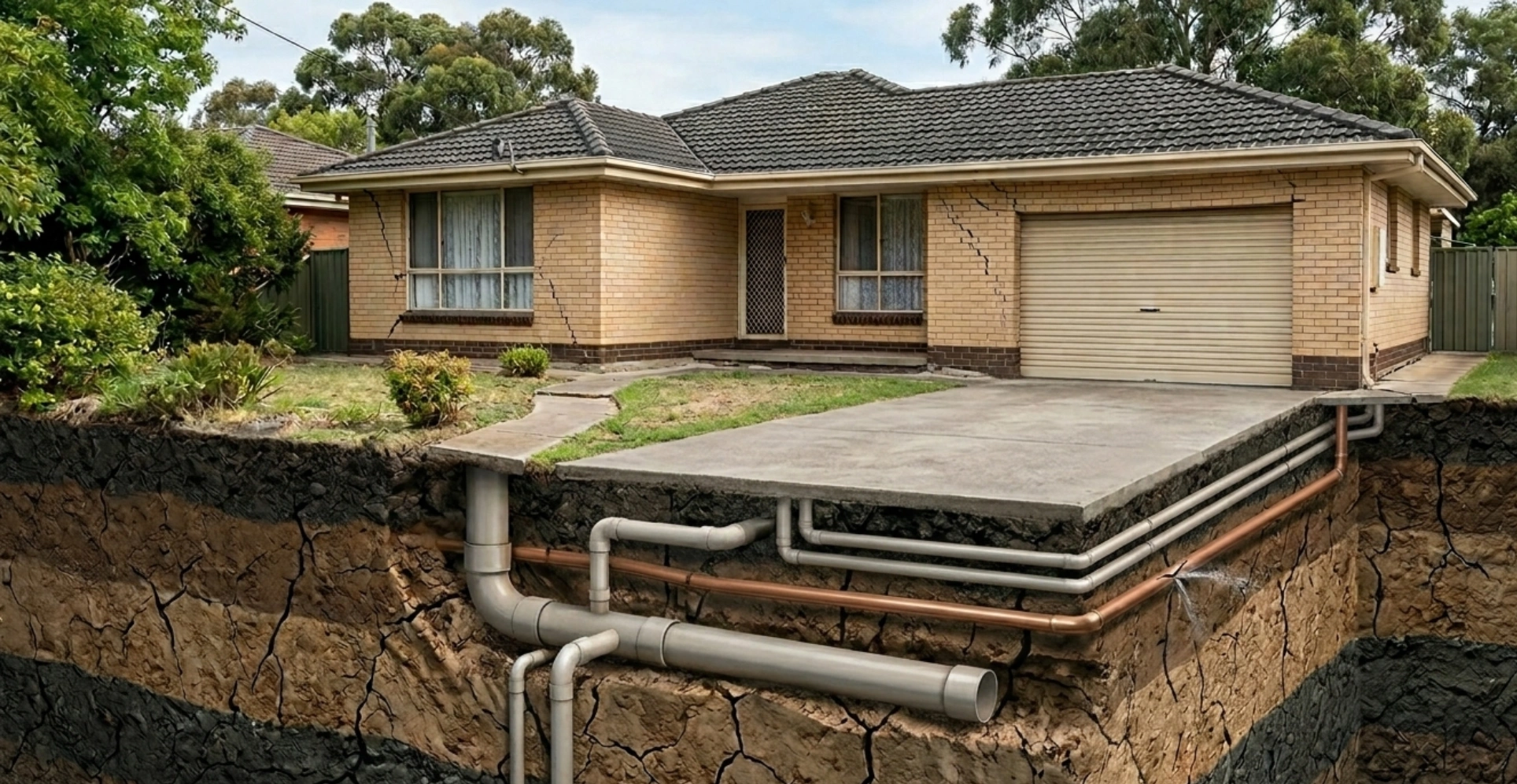
Ground movement is a hidden issue beneath many Brisbane homes, and it can have a serious impact on underground plumbing. Reactive clay soils, heavy rainfall and nearby construction can cause the ground to swell, shrink and settle. As the soil shifts, it places stress on buried pipes, which over time can lead to cracks, joint separation, recurring blockages or even burst water lines.
At Hop To It Plumbing, we regularly see plumbing problems that are symptoms of shifting ground rather than simple pipe wear and tear. As a plumber in Brisbane, understanding how local soils behave and recognising the early warning signs of movement is essential when diagnosing repeated drain issues. Identifying the underlying soil problem early can prevent ongoing repairs and avoid larger excavation work later.
What Causes Ground Movement in Brisbane
Ground movement is usually a slow process, but it can have a big impact on underground pipes. To understand why pipes crack, sag or pull apart, it helps to know what is happening in the soil around them. The main triggers are the local clay soils, changes in moisture, nearby trees, construction activity and, in some suburbs, old mine workings or filled land.
Plumbers find that what looks like a simple blocked drain actually traces back to one or more of these ground movement causes. Knowing the drivers on a particular property helps decide whether a repair, pipe relining or a change in drainage or landscaping is needed to protect the pipe long term.
Expansive Clay Soils and Seasonal Moisture Changes
Much of Brisbane sits on highly reactive clay. These clays swell as they absorb water in wet weather, then shrink as they dry out during hotter periods. This constant cycle of expansion and contraction can slowly push and pull on buried pipework.
In prolonged dry spells, clay soils can shrink away from pipes, leaving voids under or around them. The lack of support allows sections of pipe to drop slightly, creating low points where waste and debris collect. After heavy rain, the same soil can swell and press unevenly on the pipe, encouraging cracks at joints or in older terracotta sections.
Seasonal lawn watering, leaking garden taps or poor surface drainage can make one part of a yard much wetter than another. That uneven moisture change means some sections of soil move more than others. Pipes that bridge these different zones are more likely to experience bending or shear stress that leads to joint separation.
Tree Roots and Vegetation
A warm climate supports plant growth. Large trees and dense hedges search aggressively for moisture, especially in dry weather. Their roots naturally follow sources of water in the ground, which often means they track along shallow stormwater and sewer lines.
As roots grow, they can wedge between pipe joints or around small cracks. Over time, this pressure can cause the joints to separate slightly, making it easier for more roots to enter. The space left by shrinking soil near thirsty trees can also cause subtle subsidence under pipes. Properties with big gum trees, figs or palms close to the house or near the front boundary commonly experience this type of ground disturbance around their pipework.
Construction, Traffic Loads and Previous Land Use
Building work is another major cause of ground movement around pipes. Excavation for extensions, pools, driveways or retaining walls often changes how soil is compacted and how water drains through a yard. If trenches are not backfilled and compacted, the ground above existing pipes can settle for years afterwards, which slowly bends or stresses the pipe.
Heavy vehicle traffic on driveways or across yards can also compress the soil below. In clay areas that are already drying out, this extra load can accelerate settlement and cause pipes to deform or ovalise.
In some older suburbs, past land use plays a part. Filled gullies, disused service trenches or old small-scale mine workings can create pockets of weaker ground. As that fill material consolidates or minor subsidence occurs, the pipes running through it may shift more than those in undisturbed natural soil.
How Ground Movement Damages Underground Pipes
Ground movement can bend, crack or separate underground pipes even when nothing is visible at the surface. As soil swells, shrinks or settles, it transfers stress to the plumbing that runs through it. This stress can create leaks, blockages or complete pipe failure that often show up as damp patches, slow drains or sudden water bills.
Plumbers often find that pipe damage is not caused by a single dramatic event but by repeated small shifts in the ground. Different types of soil movement affect pipes in different ways, yet the result is usually the same: joints start to fail, pipe walls weaken and water or sewage begins to escape into the surrounding ground.
Bending, Cracking and Joint Separation
When soil moves vertically, it can create high and low points along a pipe run. Rigid materials, such as older clay or concrete pipes, cannot flex much, so they are forced to bend. This bending concentrates stress in one area, which eventually leads to hairline cracks that widen.
Many older sewer lines use short pipe sections joined with collars. As the ground shifts, each section can move in a different direction. The joint then starts to gap or misalign, allowing tree roots and fine soil to enter. Once the joint is no longer tight, wastewater begins to leak out and solids can snag on the offset edges, encouraging blockages.
Horizontal ground movement can also pull pipes apart. For example, minor ground creep on a sloping block can slowly drag a pipe downhill. The rubber seals in PVC joints are not designed to stretch indefinitely, so the connection loosens and leaks begin at the weakest joint.
Loss of Correct Pipe Gradient
Underground drainage pipes rely on a consistent fall so that wastewater flows by gravity. When parts of the ground settle more than others, the gradient of the pipe is distorted. This can create:
- Low spots where water and solids collect
- Raised sections that act like a speed bump to the flow
In a low spot, water sits permanently inside the pipe. Grease, soap scum and solids then build up in that pool, which causes frequent blockages. The standing water can also weaken the pipe material, especially at joints.
If the ground movement lifts part of the pipe, the upstream section may become too flat. Flow slows down and heavier waste is left behind in the pipe. Plumbers see this in backyards where fill has been added or compacted after landscaping, which subtly changes the support beneath the pipe.
Increased External Pressure and Collapse
Soil movement can change how weight is distributed around a pipe. If one side of the trench settles more than the other, the pipe may end up carrying more of the load from the soil and any structures above. In driveways or under concrete slabs, this extra pressure can crack.
Reactive clays common in parts of Brisbane can swell after heavy rain. This swelling squeezes the pipe from the sides. With repeated wet and dry cycles, the constant expansion and contraction fatigues the pipe wall, particularly in older or already brittle sections. In severe cases, sections of pipe can partially collapse, which drastically reduces the internal diameter and leads to persistent slow drainage.
Common Pipe Failures Linked to Soil Movement
Soil movement around Brisbane places constant stress on underground pipes. When the ground swells, shrinks or slowly shifts, it can bend, crack or pull pipes apart at their weakest points. Homeowners most often notice the results as blocked drains, sewer smells, damp patches or unexplained water usage.
Understanding the specific failures that occur helps property owners recognise early warning signs and know when to call experts before minor ground movement turns into major damage.
Cracked or Collapsed Sewer and Stormwater Pipes
Expansive or waterlogged soils often push against rigid pipes. Clay sewer and stormwater lines are particularly prone to cracking where the pipe cannot flex with the ground. Eventually, small hairline cracks widen until sections of pipe partially or fully collapse.
This type of damage commonly appears under driveways, paths or at the base of retaining walls, where extra weight increases pressure on already stressed soil. Typical signs include frequent blockages, slow-draining fixtures on the lower level of a home, gurgling sounds or sewage smells in the yard. In heavy rain, a damaged stormwater pipe may cause localised flooding or water pooling along one side of the house.
Professionals confirm this kind of failure using a drain camera, which shows displaced joints, cracks or flattening of the pipe. Depending on the extent of ground movement, targeted pipe relining or full replacement with more suitable materials may be recommended.
Joint Separation and Misaligned Sections
Soil that shrinks in dry periods and then swells in wet seasons causes the ground to move vertically and sideways. This repeated movement often pulls pipe joints apart or creates stepped offsets where two sections no longer line up.
Older earthenware and some PVC systems are especially vulnerable at:
- Joiners between old and new pipework
- Junctions near house footings
- Points where pipes exit under slabs or retaining walls
When joints open up, tree roots quickly invade the gaps searching for moisture. This leads to recurrent blockages and sometimes visible sinkholes or soft spots above the affected area. Misaligned sections can also catch toilet paper and waste, which is why a blockage often returns soon after a basic clear with an electric eel.
For joint failures caused by soil movement, plumbers typically focus on stabilising or bypassing the affected section with properly bedded and supported pipework, sometimes combined with pipe relining to seal vulnerable joints.
Sagging Pipes and Water Pooling (Backfall)
Uneven settlement of soil can create low points or dips in pipes known as ‘sags’ or ‘bellies’. Instead of flowing smoothly, wastewater sits in these low spots. Over time, grease, toilet paper and sediment collect in the pooled water and form stubborn blockages.
Sagging is common in:
- Long runs of PVC laid on poorly compacted fill
- Lines that cross old trenches or backfilled service corridors
- Pipes near soakwells or old tree stumps where soil has settled unevenly
Homeowners might notice intermittent smells, gurgling after flushing or a toilet that clears slowly on some days and seems normal on others. A camera inspection typically shows water sitting in the pipe when it should be empty between uses.
Because sags are usually linked to soil movement and poor original support, simply clearing the blockage is rarely a long-term fix. The affected section usually needs to be re-laid with proper bedding and support so the pipe can better withstand future ground movement.
Signs of Underground Pipe Damage Homeowners Miss
Ground movement often starts affecting pipes long before there is a burst or obvious leak. The warning signs are usually subtle and easy to overlook, especially when they appear gradually over months or years. Knowing what to watch for can help homeowners call for assistance before minor movement turns into major repair work.
Many of these signs are dismissed as normal ageing of a home or blamed on clay soils and heavy rain. In reality, they are the early clues that shifting ground is putting stress on sewer or water lines underground.
Unexplained Changes in Water Usage and Pressure
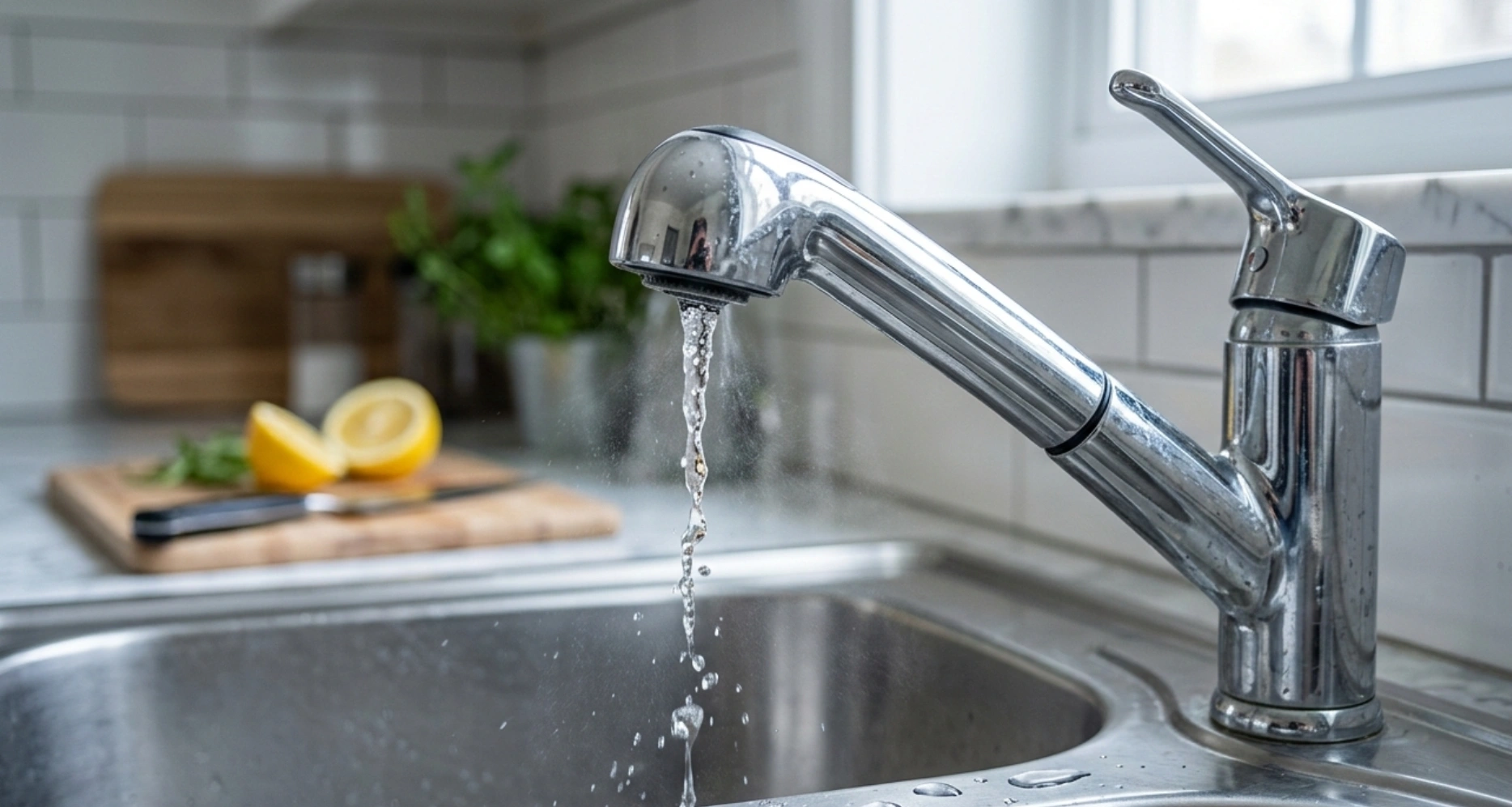
One of the first signs of underground damage is a change in how water behaves inside the home. A slow drop in pressure at taps or showers that cannot be explained by water restrictions or work on the street can point to a hidden leak in the supply line.
Homeowners often overlook a gradually rising water bill, especially after wet weather, when outdoor use may change. If water use goes up even though daily habits are the same, there may be a cracked or pulled‑apart pipe in the ground, slowly leaking into the soil. In some homes, only certain fixtures, such as a back garden tap or one bathroom, show weak flow, indicating movement affecting one branch of the pipework rather than the entire supply.
Subtle Drainage Problems Inside the Home
Ground movement commonly twists or sags underground sewer pipes. Inside the home, this usually appears first as small drainage issues that come and go. Slow-draining basins or showers that clear after a while are often brushed off as hair or soap buildup when the real problem sits outside under the yard or slab.
Gurgling noises from toilets, floor wastes or the kitchen sink after another fixture is used are another overlooked sign. This can mean the sewer pipe has dropped or developed a low point due to soil movement, trapping water and air. Homeowners may also notice needing to plunge toilets more often or that a particular drain smells only after heavy rain. In shifting soils, these patterns usually suggest the pipe gradient has been altered underground.
Outdoor Clues in the Yard or Around the House
The yard often shows ground movement problems before the plumbing inside completely fails. A persistently damp patch of lawn in dry weather or a strip of unusually lush grass along the pipe route can indicate a slow underground leak. Many put this down to shade or watering rather than a damaged pipe feeding extra moisture to one area.
Sinking or uneven paving over driveways or paths where pipes run is another sign that soil has washed away or been disturbed by leaking water. Fine cracks in external walls close to bathroom or kitchen areas can also point to soil movement that is pulling at nearby pipework. Even a faint sewage smell near garden bed inspection points or along the fence line after rain is worth checking, as it may mean ground movement has opened joints or cracked old clay sewer pipes.
When Ground Movement Means Repairs Will Keep Failing
Sometimes, no matter how many times a pipe is patched, the same section keeps leaking, blocking or cracking again. In many homes, this is not just bad luck or poor workmanship. Ongoing ground movement under the property can keep stressing the pipework, so any localised repair is only a short-term fix.
This is often seen in suburbs with reactive clay soils, cut-and-fill blocks or older drains laid shallow and straight through expanding ground. Recognising when repeated failures are a soil problem rather than a pipe problem is the key to choosing a repair that will actually last.
Warning Signs That Simple Repairs Will Not Last
There are a few common patterns that usually point to underlying movement rather than a one‑off defect.
If the same section of pipe is repaired every year or two for similar issues such as cracks, offsets or root intrusion, it suggests the pipe is being bent or stretched by shifting soil. A well-laid pipe in stable ground should not repeatedly fail in the same place.
Visible ground changes are another clue. Homeowners might notice new cracks in walls or paths, doors sticking, gaps opening around skirting boards or uneven areas in the yard. These are often signs that the soil is shrinking and swelling, putting constant stress on buried services.
Repeated blockages caused by silt, grit or fine clay can also indicate that the surrounding soil is washing into small gaps each time the ground moves. Even if a plumber clears the line with a jetter or snake, the gaps remain, so the problem returns with the next heavy rain or dry spell.
How Ground Movement Defeats Standard Pipe Repairs
Standard repairs are designed for pipes that are otherwise stable. Ground movement changes the whole picture.
Spot repairs, such as replacing a short, cracked length or inserting a small patch, rely on the surrounding pipe staying in position. If the soil keeps settling or heaving, the old pipe and the new section move at different rates, which can create new offsets or cracks right at the repair joints.
In older drains laid in long, straight runs with minimal flexibility, any soil movement is transferred directly into the pipe walls. Even high-quality replacement PVC can be stressed if it is installed with no allowance for movement or if it sits on uneven or poorly compacted bedding.
Tree roots are another factor. When soil moves and joints open slightly, roots find an easy entry point. If the soil keeps shifting, those joints rarely seal tight for long, so roots regrow even after thorough cutting or lining.
When It Is Time To Consider Permanent Solutions
There comes a point where another quick fix is not cost-effective. Professionals typically recommend more permanent solutions when:
- The same line has needed more than two major repairs in five years
- CCTV shows multiple offsets, sags or cracks over a longer section, not just a single defect
- There are clear signs of subsidence or reactive clay affecting structures on the property
Permanent approaches can include replacing longer runs of pipe with correct fall and flexible joints, re‑bedding pipes in stable material, using pipe relining to create a continuous sleeve that tolerates minor movement or, in severe cases, rerouting the line to avoid problem soil or tree zones. Each property needs a tailored plan based on soil type, site history and what the camera inspection reveals.
Brisbane’s reactive soils and seasonal moisture shifts mean underground plumbing rarely sits in completely stable ground. Small movements that go unnoticed at the surface can gradually bend, separate or weaken buried pipes over time, often leading to repeated blockages or unexplained leaks.
Understanding when these failures are caused by soil movement rather than simple pipe wear allows property owners to make informed, long-term repair decisions. In many cases, stabilising or upgrading the affected section delivers better value than continuing with short-term patch repairs.
In Brisbane’s conditions, proactive planning and early investigation are almost always more cost-effective than waiting for the next failure to occur.