-full-color-rgb-2000px-w-72ppi.webp)
When something goes wrong with the water systems in a home, it can quickly create stress and confusion as the problem starts to spread. Many people are unsure whether the issue is something they can handle with a simple fix or if it demands the sort of urgent attention from an emergency plumber in Brisbane that prevents extensive damage and keeps their home safe. From sudden bursts behind walls to drains that back up without warning, these situations can affect comfort and health faster than most realise. As a business that works closely with households facing these challenges every day, Hop To It Plumbing understands how important it is to know when you must act fast.
Plumbing emergencies in Brisbane rarely appear at a convenient moment, and they often leave people guessing about what to do next as water moves into parts of the home that should never get wet. Knowing how to recognise a serious problem can make the difference between a quick repair and a costly disaster that disrupts routines for days. With the right information and a calm approach, anyone can reduce the impact of sudden bursts or blockages long before help arrives. The goal is to help homeowners understand the situations that need urgent attention so their home stays protected.
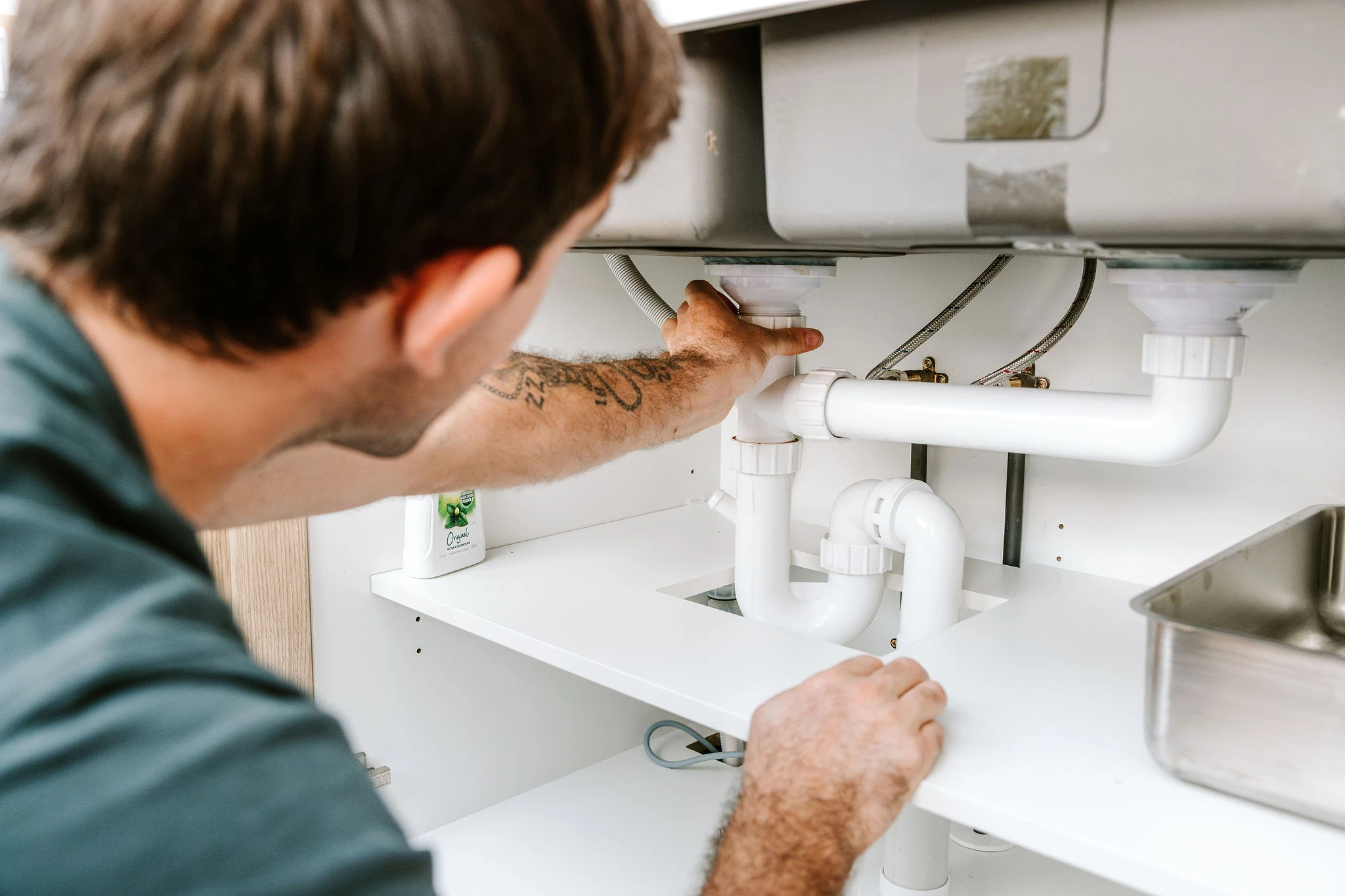
Identifying True Plumbing Emergencies
Understanding what counts as a real emergency helps homeowners respond with confidence because not every plumbing issue needs immediate action, yet some situations must never be ignored. Many problems start small and become much worse in minutes, so having awareness of the early warning signs can prevent structural damage and keep people safe. Homes of all ages can experience sudden plumbing faults, and knowing how to recognise them allows for faster response times. Clear signs of emergencies can help people stay calm and take the right steps until a licensed expert arrives.
How to Tell If an Issue Needs Immediate Attention
Recognising when a problem requires urgent action starts with understanding which issues carry the highest risk because delays can allow water to travel through walls or floors and ceilings. Many homeowners notice small signs but are unsure how seriously to take them, which can lead to hesitation during critical moments. Clear awareness of these indicators helps people move quickly when every minute counts.
- A sudden loss of water pressure throughout the house often signals a major failure in the system that could worsen fast and cause further complications if ignored.
- Water flowing into areas that should always stay dry is a strong sign that something behind the walls or under the floors has gone wrong and needs prompt professional attention.
- Strong smells or gurgling sounds coming from drains suggest an underlying blockage that could escalate into a serious backup if help is not requested right away.
Red Flags Homeowners Should Never Ignore
Certain signs point to serious risks to health or property and they should always be treated with urgency because the longer they continue, the harder they are to control. These signs may appear small at first, but each one has the potential to lead to widespread water damage across the home. Knowing these red flags helps homeowners stay alert and respond quickly.
- Water pooling near the base of walls or cabinets often means there is a hidden leak that can spread quietly and cause structural weakness if action is delayed.
- Discoloured water indicates contamination or corrosion, which can damage fixtures and affect water safety throughout the home if left unresolved.
- Frequent drain blockages that return shortly after clearing point to deeper issues in the system that can suddenly escalate into a larger backup.
The Damage That Delays Can Cause
Slow responses increase the risk of long-term repair costs as water continues to cause deterioration while homeowners hope the problem improves on its own. Moisture trapped in the structure creates an ideal environment for mould, which can pose health concerns for anyone in the home. Quick intervention always reduces the severity of the damage and preserves the condition of the property.
- Extended leaks can weaken timber framing and plasterboard, which may require major repairs when the damage spreads across connected rooms.
- Standing water caused by blockages can seep into flooring materials and create permanent staining or swelling that forces complete replacement.
- Internal pipe failures can lead to electrical hazards when water enters areas where wiring is present, significantly increasing the danger.
Burst Pipes: What Causes Them and What to Do First
Burst pipes create sudden and disruptive emergencies because they can release large volumes of water in a short time and spread damage quickly. Understanding why these bursts happen helps homeowners identify risks before they cause serious problems. Quick action is essential because the first few minutes after a burst often determine how much harm the home experiences. Being prepared for these situations helps people act calmly and confidently.
Why Pipes Fail in Australian Homes
Pipes can fail for a range of reasons, and many of them relate to material quality or sudden pressure changes within the system. Homes with older plumbing are especially vulnerable because wear over time weakens joints and fittings. Understanding these factors helps people stay prepared and proactive.
- Shifting ground or movement in the home’s foundation can place pressure on pipe joints, eventually leading to cracks and sudden breaks.
- Mineral buildup inside pipes from long-term water use can restrict flow and elevate pressure until the pipe walls finally give way.
- Temperature changes can cause certain pipe materials to expand or contract, placing stress on weakened or ageing sections.
Immediate Steps to Reduce Water Damage
Taking the right steps in the early moments after a burst makes a significant difference because water continues flowing until it is manually stopped. A calm and methodical approach can minimise damage and protect valuable belongings. These actions create a safer environment until professional help arrives.
- Turning off the main water supply quickly stops continuous water flow, reducing the size of the area affected by the burst.
- Moving belongings away from damp areas prevents further damage as water spreads across flooring and into adjacent rooms.
- Opening doors and windows improves airflow, delaying the spread of moisture and reduces the chance of mould forming.
How Plumbers Repair and Reinforce Burst Pipes
Repairing a burst pipe requires a detailed inspection to locate the exact failure point because water can travel away from the actual break, making the source difficult to find. Once identified, the damaged section is repaired or replaced with materials designed to handle the home’s water pressure. Extra reinforcement helps reduce the chance of future failures.
- The damaged section is cut away and replaced with stronger materials to restore full water flow without further leaks.
- Joints and fittings are inspected and reinforced to ensure the surrounding area remains stable after the repair.
- Pressure testing is carried out to confirm the system can handle normal operation again without risk of another burst.
Blocked Drains and Leaks: When Everyday Issues Turn Urgent
Many homeowners deal with slow drains or small leaks, but these problems can turn serious when ignored for too long because they often mask deeper issues that require urgent attention. As water flow becomes restricted or leaks worsen, the risks to property and safety increase. Recognising when these situations are becoming dangerous helps prevent costly repairs. Acting on early signs ensures better protection for the home.
Signs a Blocked Drain or Leak Is Becoming Dangerous
Drains and leaks often show subtle signs before becoming emergencies, and noticing these early gives homeowners more time to act. When water moves slowly or leaks appear more frequently, these issues should be taken seriously because they can escalate without warning. Understanding these signs allows for earlier intervention.
- Water backing up into sinks or showers suggests a blockage that could soon cause a full overflow if pressure increases.
- A leak that becomes stronger over time indicates a worsening failure point in the system that needs urgent attention.
- Strange smells from drains can signal trapped waste materials that may force water back into the home.
Safe Actions You Can Take Before Help Arrives
Safety is the top priority when dealing with leaks or blockages because improper handling can make the problem worse. Simple actions can help reduce spread and prevent further complications. These steps keep the situation as controlled as possible.
- Avoid putting chemical cleaners into drains because they can aggravate blockages and make later repairs more complicated.
- Use towels or containers to capture leaking water, preventing moisture from spreading into vulnerable areas like cabinetry or floors.
- Keep the area clear of foot traffic to avoid slipping hazards and to maintain access for the professional when they arrive.
Professional Solutions for Severe Leaks and Blockages
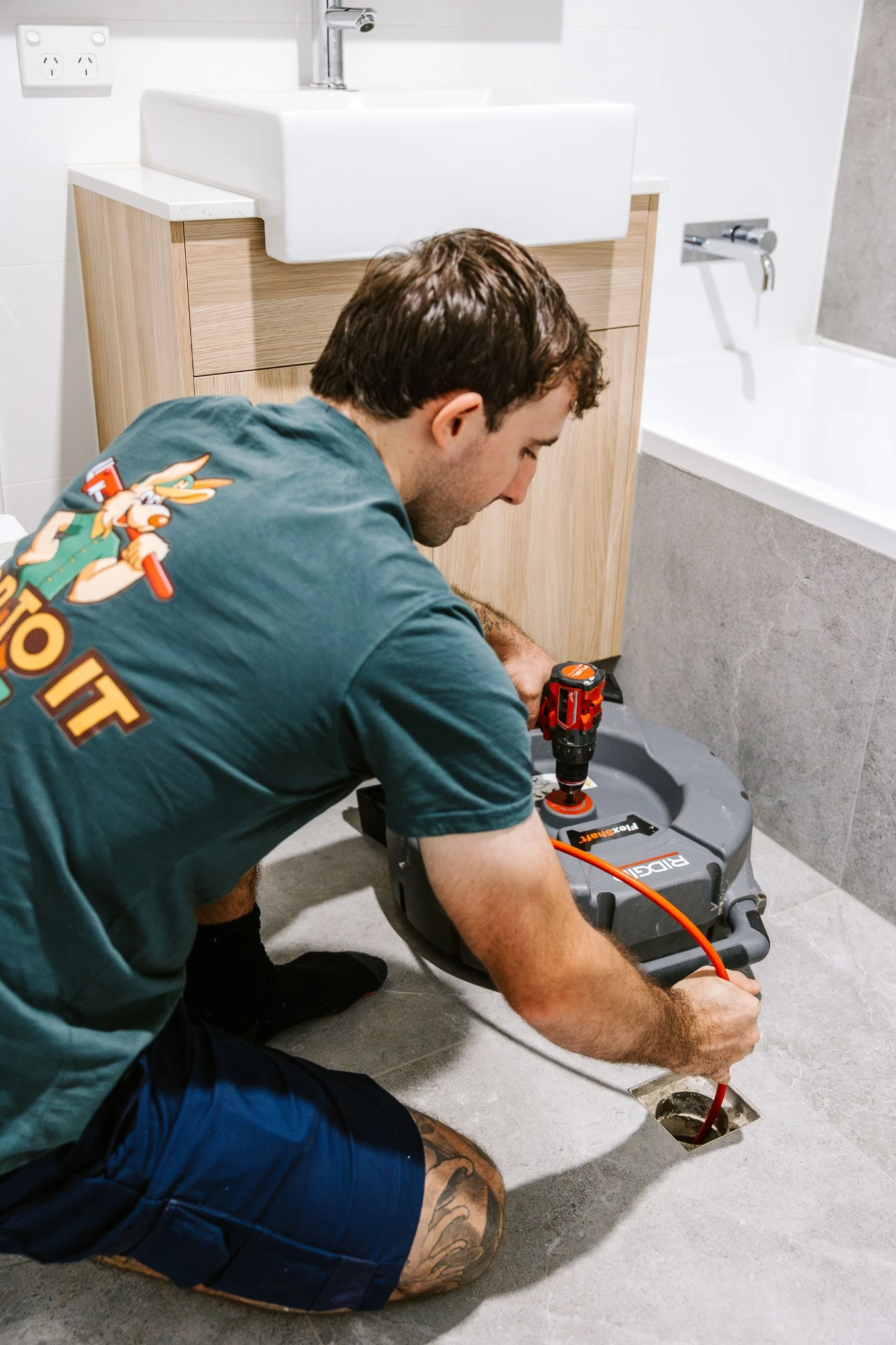
Professionals have access to advanced tools and methods that allow them to handle severe leaks and blockages efficiently because these situations often require more than basic clearing. Their expertise ensures that the real source of the issue is identified and addressed so it does not return. These solutions keep the home safe and functioning properly.
- Specialised cameras are used to track blockages deep within the system, allowing accurate diagnosis without guesswork.
- High-pressure equipment clears obstructions that cannot be removed with basic tools, restoring proper water flow.
- Skilled repairs reinforce weakened areas to prevent leaks from recurring in the same spots once the system is restored.
Preventing Future Plumbing Emergencies
Prevention is one of the most effective ways to protect a home because many emergencies start from issues that could have been solved earlier with simple maintenance. Regular checks help catch hidden problems before they grow into larger failures. A little attention throughout the year keeps systems running smoothly and reduces stress when unexpected issues arise. Preventative habits lead to a more reliable and longer-lasting plumbing system.
Regular Maintenance That Reduces Emergency Risks
Routine care keeps the system healthy and reduces the chances of sudden failures because small adjustments can greatly extend the life of pipes and fittings. Taking a proactive approach saves homeowners money in the long run as major repairs become less likely. Consistent maintenance helps spot problems long before they develop into emergencies.
- Checking visible pipes for early signs of wear helps identify leaks before they cause widespread damage.
- Cleaning drains regularly removes buildup and prevents blockages that can quickly escalate when ignored.
- Monitoring water pressure ensures the system is operating safely and reduces stress on vulnerable areas.
Early Warning Signs to Monitor Around the Home
Subtle changes around the home usually indicate that something in the system needs attention because water rarely escapes without leaving small clues. Being familiar with these signs helps homeowners stay prepared. Taking action early can prevent sudden emergencies.
- Moisture marks on walls or ceilings often signal hidden leaks that need attention before the problem spreads too far.
- Unusual noises in pipes may indicate pressure fluctuations that could lead to leaks or bursts if left unaddressed.
- A sudden change in water clarity suggests material breakdown or contamination that needs professional inspection.
When Preventative Plumbing Inspections Are Worth It
Regular inspections provide peace of mind because professionals can detect issues that homeowners might overlook during routine checks. These inspections extend the life of the system by addressing minor weaknesses early. Investing in periodic assessments helps avoid costly emergency repairs.
- Annual inspections identify wear in pipe joints and fixtures, preventing failures from developing unnoticed.
- Professionals test flow rates and pressure levels to ensure the system is performing safely and efficiently.
- A thorough inspection gives homeowners confidence that the system is stable and unlikely to experience sudden emergencies.
Real plumbing emergencies require quick thinking and clear understanding so homeowners can take the right steps before the situation gets out of hand. Issues like sudden bursts or severe blockages can affect the home in ways that are disruptive and costly, making early action essential for reducing damage and stress. With the right awareness and simple responses, many situations can be controlled long before professional help arrives.
As a business that has helped countless households manage these urgent situations, Hop To It Plumbing believes that preparation and awareness make a significant difference in protecting a home from major disruptions. By understanding early signs and prioritising preventative care, homeowners can keep their property safe and avoid the worry that comes with unexpected emergencies.