-full-color-rgb-2000px-w-72ppi.webp)
When unpleasant smells begin coming from kitchen sinks, showers or bathroom basins, they often point to specific problems developing inside the plumbing system rather than a temporary inconvenience. At Hop To It Plumbing, identifying the source of these odours is important because drain smells can point to anything from trapped organic debris and bacterial growth to sewer gas, blocked drains or faults that require attention from a licensed plumber in Brisbane.
This article explores the most common causes of smelly drains, including grease build-up, bacterial growth, dry or damaged traps and hidden sewer line faults. It also outlines the warning signs that suggest the issue may be more serious than a simple clog.

Common Reasons Drains Start to Smell
Smelly drains usually indicate something specific happening inside the plumbing system. The odour may be caused by bacteria feeding on trapped debris, organic matter breaking down inside the pipe or sewer gases escaping where they should not. Identifying the most likely source helps determine whether a simple clean is enough or whether professional attention is needed.
Although every home is different, most smelly drains can be traced back to a handful of common problems. Understanding these causes makes it easier to narrow down where the smell is coming from and what action should be taken first.
Built-Up Food, Grease and Organic Debris
Kitchen sinks are common sources of drain odours because food scraps, oils and everyday washing-up residue can build up inside the pipe. Grease, fats and cooking oils often cling to the drain walls even when rinsed with hot water. Over time, this sticky coating traps food particles, coffee grounds and soap scum.
As bacteria break down this build-up, they can produce foul, gassy odours that drift back up through the sink. The smell may be worse after using hot water or running the dishwasher because heat can release more odour from the sludge inside the pipe. Garbage disposals can also hold food residue around the rubber splash guard, grinding chamber and upper section of the drain pipe.
Dry or Faulty Traps Allowing Sewer Gas In
Every sink, shower and bath should have a P-trap or S-trap filled with water. This water barrier blocks sewer gas from travelling back into the home. If the trap dries out or is not working properly, a strong rotten egg or sulphur smell can enter the room.
Traps often dry out in fixtures that are rarely used, such as a guest bathroom, floor drain or spare utility sink. Evaporation leaves the trap empty, allowing sewer gas to flow through the drain. A poorly installed, cracked or damaged trap can cause similar issues even in fixtures that are used regularly. If the smell appears from one unused drain and improves briefly after running water, a dry trap is a likely cause.
Biofilm in Bathroom Drains
Bathroom sinks, showers and baths are prone to a different type of build-up often called biofilm. This slimy layer is made up of soap scum, toothpaste residue, body oils, hair and skin cells that collect along the walls of the drain and inside the overflow channel.
As biofilm thickens, it can harbour bacteria and mould that produce a musty, sour or mouldy smell. Hair in shower and bath drains can make the problem worse by trapping more debris and slowing drainage, which gives bacteria more time to grow. Odours that linger even after cleaning the visible surfaces of the basin often come from hidden growth inside the drain or overflow.
What It Means If One Drain Smells or Several Drains Smell
Odours from a single sink or shower usually point to a localised issue under that fixture. When several drains across the home smell at the same time, the problem is more likely to involve shared plumbing, ventilation or the main sewer line. Paying attention to how many drains are affected and where they are located can help narrow down the cause.
Smell type, frequency and location all provide useful clues. This pattern can also help prevent unnecessary work on the wrong fixture and show when a professional inspection is needed.
When Only One Drain Smells
A smell coming from just one drain usually comes from something close to the surface in that fixture’s trap, stopper, overflow or branch line. Common localised causes include residue on the underside of a sink stopper, bacteria in an overflow opening, trapped hair or organic debris caught just below the strainer.
The odour may become stronger when water first runs or when the tap has not been used for a while. In most cases, the rest of the home smells normal.
Simple at-home steps can often help with a single smelly drain, such as:
- Running hot water for several minutes to flush the line
- Removing and cleaning the pop-up stopper or strainer
- Cleaning the overflow channel on bathroom sinks
- Using a safe enzyme-based drain cleaner to break down organic build-up
If the smell returns quickly after cleaning or gurgling sounds appear from that drain, the issue may be a partially blocked branch line or a venting problem serving that fixture. In that case, professional attention is recommended.
When Several Drains Smell
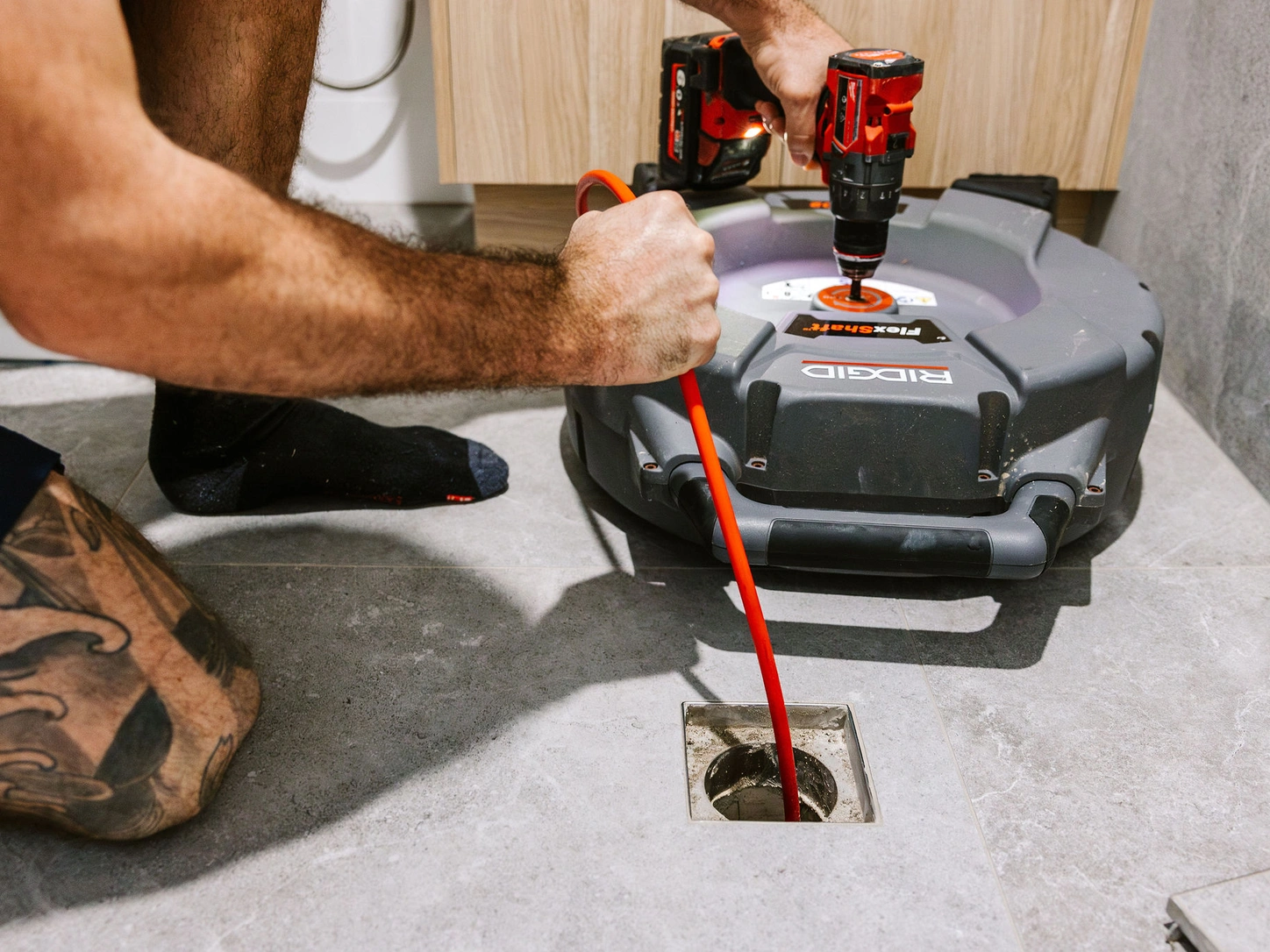
If odours are noticeable from multiple fixtures, the source is usually not each individual sink or shower. Instead, the issue is more likely to involve shared plumbing components or the main drainage system.
Possible causes include:
- A main sewer line blockage, sagging pipe section or tree root intrusion
- A sewer leak under the home or near the foundation
- A blocked vent stack preventing proper airflow
- Wider sewer issues pushing sewer gas back towards the property
When several drains smell, the odour often has a stronger sewage or rotten egg character. Smells may be worse on lower levels of the home, after heavy water use or during weather changes when outside air pressure shifts.
When One Drain Starts Then Others Follow
Sometimes a smell appears at one fixture, then gradually shows up in more areas. This pattern can point to a developing blockage or vent problem that is spreading through the system rather than separate, isolated drain issues.
Early diagnosis at this stage can often prevent the issue from progressing into a full sewer backup, recurring odour problem or damage to surrounding areas of the property.
What Homeowners Can Check Safely
Some drain smells can be investigated and resolved with simple checks before involving a professional. A careful inspection can help identify whether the issue is surface-level, such as food residue or hair build-up, or whether it may be coming from deeper in the plumbing system. The key is to focus only on what can be seen and reached easily without dismantling plumbing or using harsh chemicals.
Odours often come from decaying material sitting in or near the drain, dried-out traps that allow sewer gas inside or bacterial growth around fixtures. Each of these has a few signs that can be checked safely with basic tools already in the home.
Look at the Drain Opening and Strainer
Check for slimy residue or visible debris clinging to the stopper, strainer or upper part of the drain. Food particles, soap film, hair and toothpaste can trap bacteria that cause strong odours. Removing the stopper or strainer, where it lifts out easily by hand, allows a better view of the upper pipe. Any removable parts should be rinsed thoroughly in hot water and scrubbed with dish soap or a mild bathroom cleaner.
A simple clean can often reduce smells noticeably. Use a small brush or old toothbrush to scrub the inside of the drain opening that can be reached without forcing tools into the pipe. Avoid metal objects that could scratch the drain, damage fittings or become stuck.
Check for a Dry P-Trap
Every sink, bath and many floor drains are designed with a P-trap that holds water to block sewer gas. If that water evaporates, a strong sewage-type odour can enter the room. This often happens at fixtures that are rarely used, such as guest bathroom showers, laundry tubs or floor drains.
A simple way to check for a dry trap is to run the water for 10 to 20 seconds and note whether the smell fades within a few minutes. If the odour improves after running water, the trap may have dried out and refilling it has restored the water seal. For floor drains, slowly pour about a litre of clean water into the drain and check later in the day to see whether the smell has improved.
Adding a small splash of mineral oil after refilling a rarely used trap can slow evaporation. Mineral oil floats on top of the water in the trap and helps the seal last longer between uses.
Assess Ventilation and Nearby Surfaces
Not every bad smell near a drain comes from inside the pipe. Poor airflow, moisture and dirty surrounding surfaces can trap and intensify odours.
Check for grime, mould or mildew around the sink overflow hole, underside of the sink stopper and caulk lines around sinks, baths and showers. These areas can smell musty or sour and may be mistaken for drain odours. A non-abrasive bathroom cleaner and a soft brush or cloth can be used to clean these surfaces.
Also consider whether odours are strongest during or after heavy water use, such as multiple showers, laundry loads or dishwasher cycles. If smells become worse after heavy water use, it may indicate a drainage or venting issue that should be assessed by a licensed plumber.
When Smelly Drains Need a Plumber
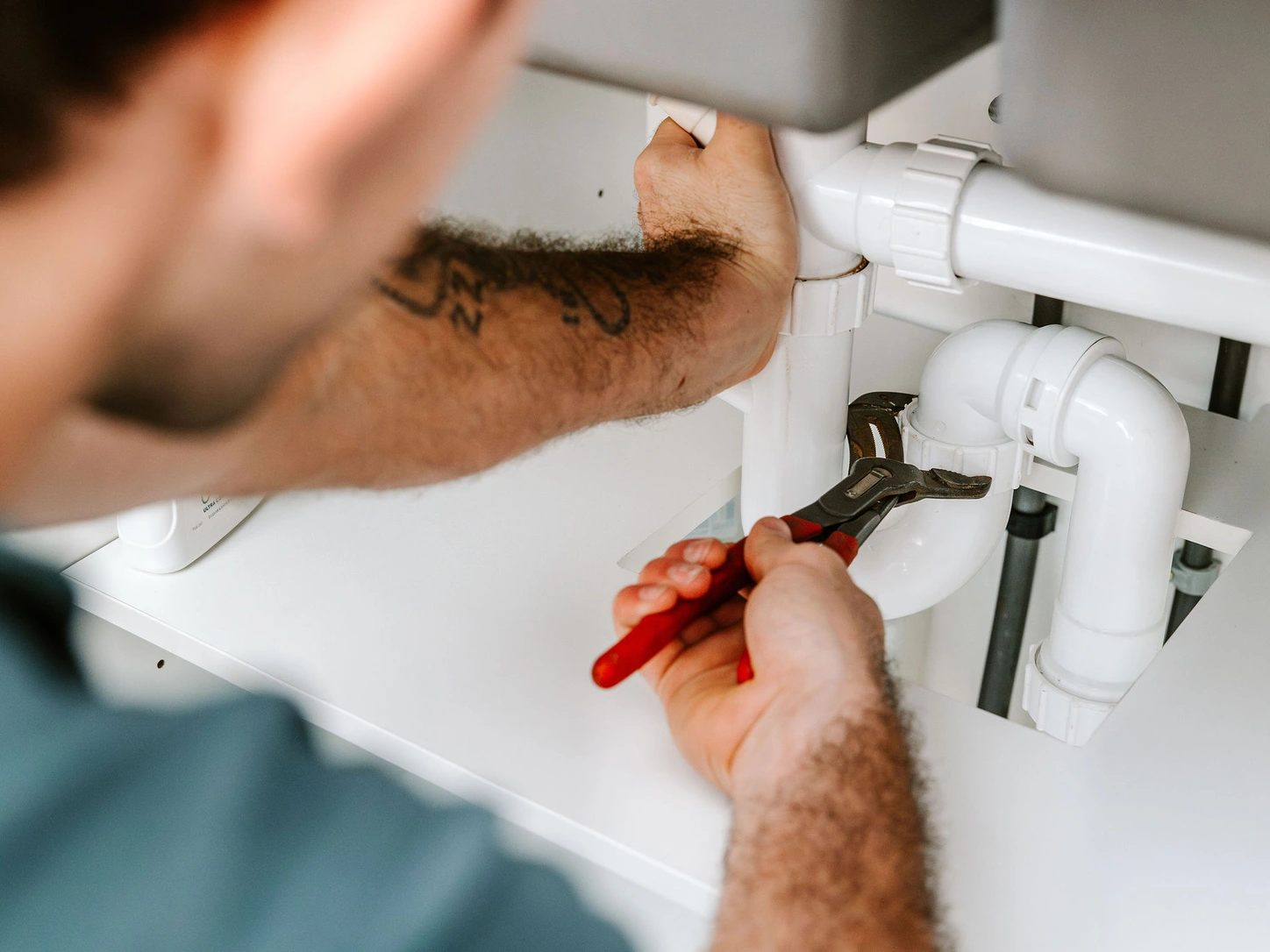
Some drain odours can be improved with simple cleaning or basic maintenance. Persistent, recurring or particularly foul smells often signal a deeper plumbing issue that will not go away on its own. Knowing when to call a plumber helps prevent further damage to pipes, fixtures and surrounding areas of the property.
Professional attention becomes important when smells are recurring, severe or accompanied by other warning signs such as slow draining, gurgling or backups. At that point, the problem is unlikely to be only surface-level grime.
Persistent Odours That Keep Coming Back
If a drain smells bad after cleaning, improves briefly and then starts smelling again within days or weeks, the issue is likely deeper in the system. Surface cleaning may remove some residue, but it will not fix build-up or faults further down the pipe.
Common causes include:
- Partial blockages in the branch line or main sewer line
- Biofilm and grease build-up further down the pipe
- Venting problems that allow sewer gas to linger
A plumber can use equipment such as drain cameras, augers or hydro-jetting tools to inspect and clear areas that household products cannot reach. They can also check for hidden issues such as misaligned, cracked or sagging pipe sections.
Smell Accompanied by Slow Drains or Gurgling
Odour paired with slow drainage or gurgling noises usually points to a developing blockage or venting problem rather than a simple dirty trap. This is especially concerning when more than one fixture is affected.
Warning signs include:
- More than one fixture draining slowly or smelling
- One fixture causing another to gurgle
- Toilets bubbling or losing water level without being used
These patterns can indicate a partial blockage in the main sewer line or a blocked vent stack. Specialised equipment is needed to locate and remove the obstruction and confirm that the line is clear from the home to the street connection or septic system.
Strong Sewage or Rotten Egg Smell
A powerful sewage or rotten egg smell is often caused by sewer gas escaping where it should not. This should not be ignored, especially if the smell is strong, recurring or spreading through the home.
Possible causes include:
- A dry or faulty trap that is not holding water
- A cracked or disconnected drain or vent pipe behind walls or under floors
- A failing wax ring under a toilet allowing gas to leak into the room
Sewer gas issues are not solved with deodorisers. A plumber can use methods such as smoke testing or camera inspection to locate the failure point and repair or replace the affected components.
Addressing Drain Odours Properly
Persistent drain odours are rarely random. In most cases, they point to an underlying issue somewhere in the plumbing system, whether that is trapped organic matter, a dry trap, poor venting or a developing sewer line problem. The right solution depends on finding the true source of the smell rather than masking it with deodorisers or repeatedly cleaning the surface of the drain.
Regular maintenance and good plumbing habits can reduce the likelihood of odours developing, but recurring sewer smells, slow drainage across multiple fixtures, gurgling sounds or visible backups should never be ignored. These warning signs can point to larger drainage or sewer problems that require professional assessment before they lead to more serious damage, contamination or indoor air quality concerns.