-full-color-rgb-2000px-w-72ppi.webp)
A toilet that keeps running is more than a minor nuisance. It can waste significant amounts of water, increase household bills and signal worn or faulty components inside the cistern. Hop To It Plumbing helps homeowners identify common toilet problems and determine when a simple adjustment or professional repair is needed.
While most running toilets are caused by issues inside the cistern, slow drainage, gurgling or water backing up may point to blocked drains in Brisbane. Recognising the difference helps homeowners address the right problem early, reduce water waste and avoid unnecessary repair costs.
Common Causes of a Toilet That Keeps Running
A toilet that continues running after a flush usually has a problem with one of the components controlling water flow inside the cistern. Worn seals, incorrect water levels or damaged parts can prevent the toilet from shutting off properly, causing water to flow continuously into the bowl or overflow tube.
Worn Flapper or Flush Valve Seal
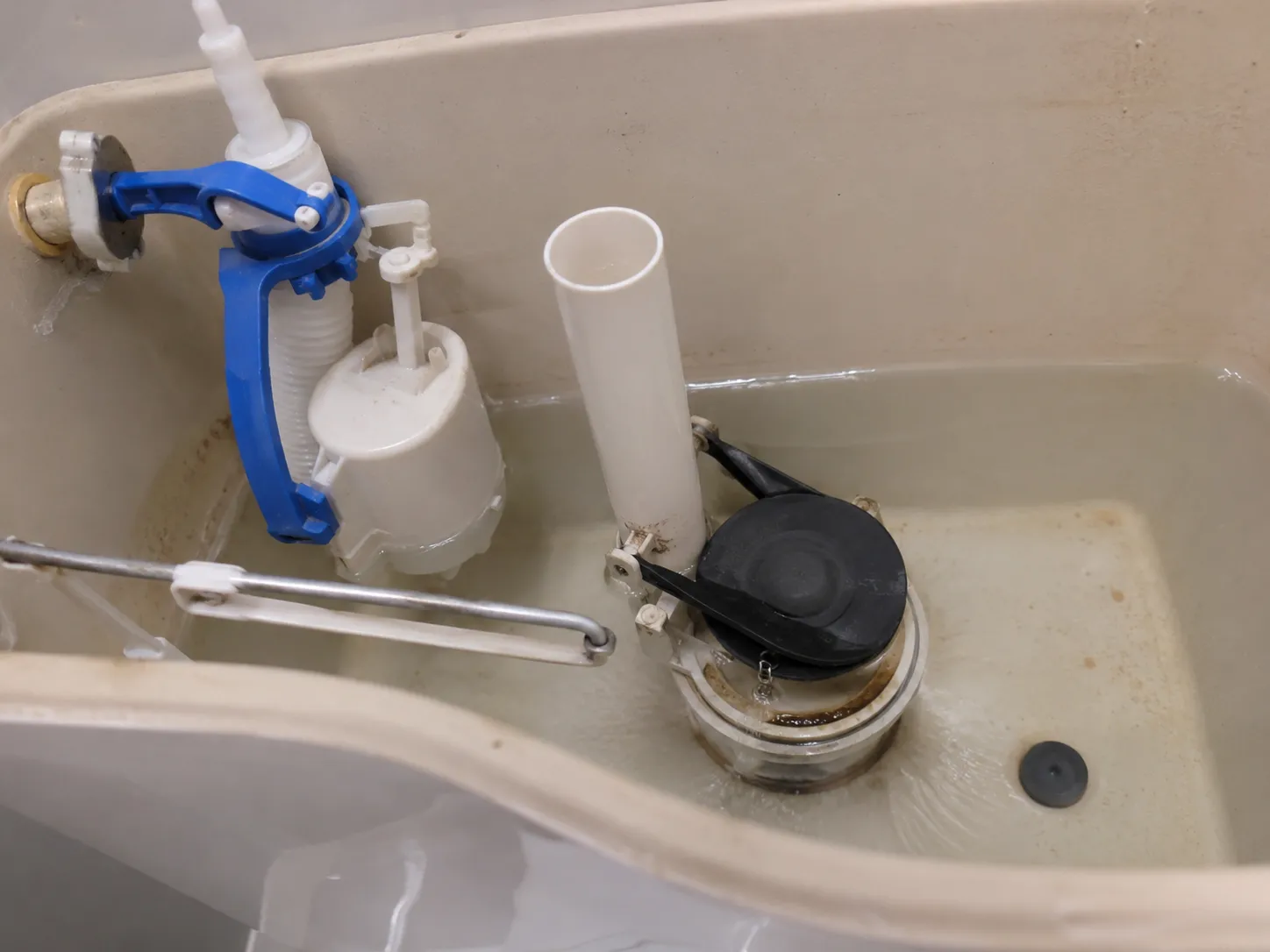
The flapper sits at the bottom of the cistern and seals the opening to the bowl after flushing. If it becomes cracked, warped, brittle or coated with mineral buildup, it may no longer form a tight seal. Water then escapes into the bowl, causing the fill valve to keep activating.
The chain can also cause problems if it is too tight, tangled or incorrectly adjusted. If the flapper does not sit flat or shows visible signs of wear, it may need to be replaced.
Incorrect Float or Water Level
The float controls when the fill valve stops allowing water into the cistern. If it is set too high, water can rise into the overflow tube and continue draining into the bowl. A damaged, obstructed or incorrectly adjusted float can also prevent the fill valve from shutting off at the correct level.
Checking the manufacturer's fill line and adjusting the float may resolve a minor issue. If water continues rising or the valve does not shut off, the fill valve may need attention.
Faulty Fill Valve or Refill Tube
A worn fill valve may continue allowing water into the cistern after it reaches the correct level. Persistent hissing, whistling or intermittent refilling can indicate that its internal mechanism is no longer working correctly.
The refill tube can also contribute to continuous water flow if it is positioned incorrectly. It should direct water into the overflow tube without being pushed too far inside, as incorrect positioning can create a syphoning effect.
If simple adjustments do not stop the toilet from running, the affected component may need to be replaced.
Toilet Parts That Can Cause a Running Toilet
Several components work together inside the cistern to control how water enters, leaves and stops flowing. The most common problem areas are:
- Flapper or flush valve seal: Should close tightly after flushing. If worn or damaged, it can allow water to leak continuously into the bowl.
- Fill valve: Controls fresh water entering the cistern and should shut off once the correct level is reached. A faulty valve can cause persistent hissing or refilling.
- Float: Regulates the water level by controlling the fill valve. If it is incorrectly adjusted or damaged, water may continue flowing into the overflow tube.
- Refill tube: Directs water into the overflow tube to refill the bowl. Incorrect positioning can cause syphoning and unnecessary refilling.
- Flush handle and chain: A sticking handle or incorrectly adjusted chain can prevent the flapper from closing fully.
Because these parts operate together, one faulty component can make another appear to be the problem. For example, a leaking flapper can cause the fill valve to repeatedly activate as it replaces the water being lost. Identifying the actual source of the fault helps avoid unnecessary adjustments or replacement of the wrong part.
How to Tell If Your Toilet Is Constantly Leaking
A leaking toilet does not always make a loud running sound. Small amounts of water can escape from the cistern into the bowl, causing unnecessary water use and gradually increasing household bills.
Several simple checks can help identify a hidden leak:
- Listen for intermittent running: A brief hiss after flushing is normal, but repeated hissing, trickling or refilling when the toilet has not been used may indicate water is escaping.
- Check the bowl: Look for a thin stream running down the inside of the bowl or movement on the water surface when the toilet is not being used.
- Try a dye test: Add a few drops of food colouring to the cistern without flushing and wait 10 to 15 minutes. If coloured water appears in the bowl, the flapper or flush valve may not be sealing properly.
- Watch for unexpected refilling: If the cistern starts filling by itself several minutes after a flush, it may have a slow internal leak.
- Inspect around the toilet: Damp flooring, moisture around the base, corrosion near the water connection or water on the cistern can indicate an external leak.
A slow leak is still worth addressing. Identifying it early can reduce water waste and help prevent moisture from damaging surrounding flooring or building materials.
What You Can Safely Check Yourself
Some running toilet problems are caused by simple issues that homeowners can safely inspect. Homeowners can also check for leaks around toilets and other plumbing fixtures before arranging repairs. A few basic checks can help determine whether a minor adjustment is enough or whether professional attention is needed.
Before making adjustments, turn off the water supply if a component is damaged or leaking. Avoid forcing stuck parts and stop if the problem becomes worse.
- Check the flapper and chain: Make sure the flapper sits flat over the flush valve opening. If it is warped, cracked or stiff, it may be allowing water to leak into the bowl. The chain should have a little slack without becoming tangled or holding the flapper open.
- Check the water level and float: The cistern should stop filling at the manufacturer's recommended level. If water continues flowing into the overflow tube, the float may need adjustment. Flush the toilet afterwards to confirm that the water stops at the correct height.
- Check the fill valve and refill tube: Persistent hissing or whistling after the cistern has filled may indicate a faulty fill valve. Make sure the refill tube is positioned correctly above the overflow opening rather than pushed too far inside.
If these checks do not resolve the problem, further adjustments may cause unnecessary damage. A plumber can identify which component is actually failing and replace it where necessary.
Could a Blocked Drain Cause a Toilet to Keep Running?
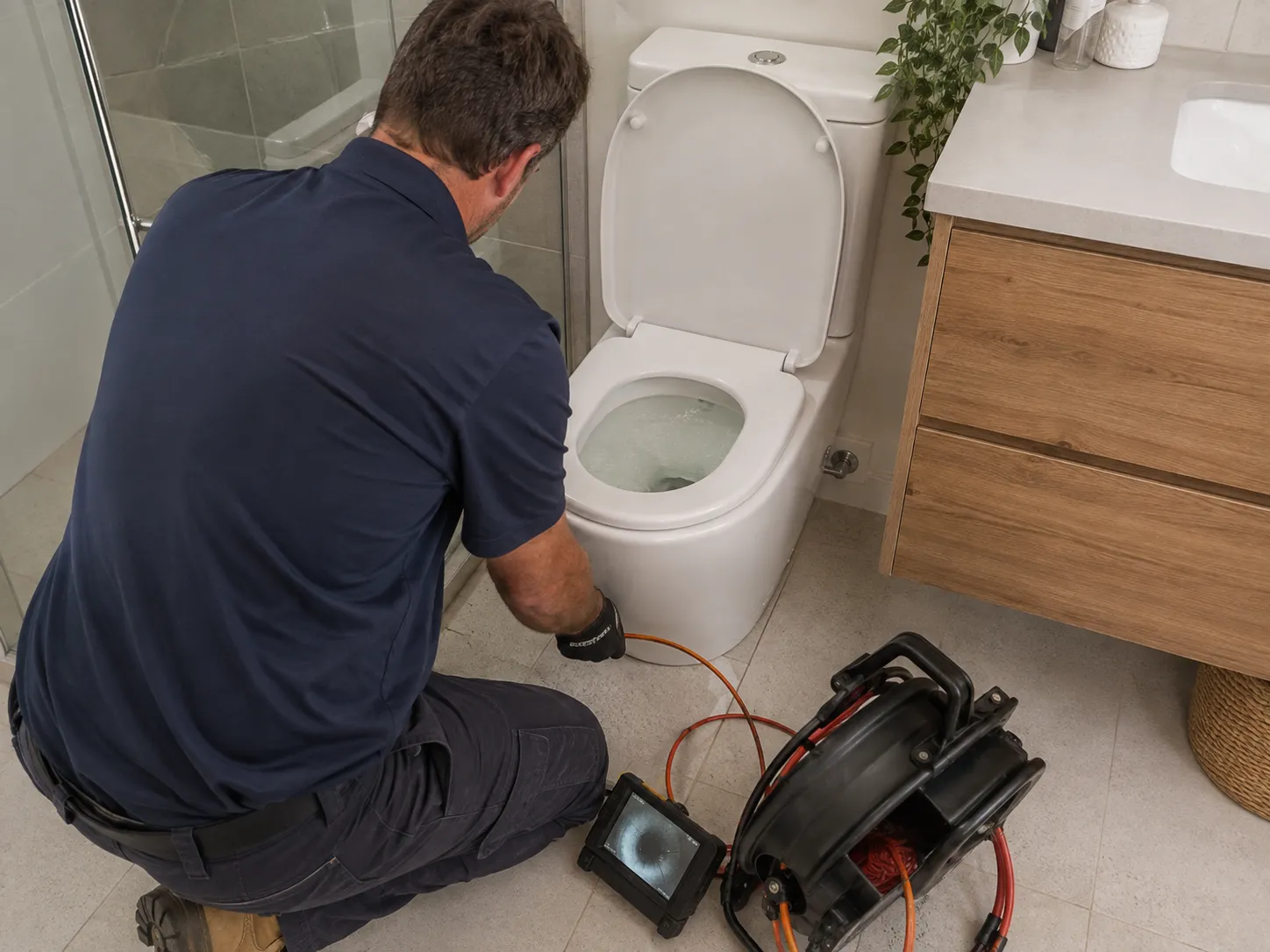
A blocked drain does not usually cause a toilet to keep running. Continuous running is generally caused by a cistern problem, such as a worn flapper, faulty fill valve, incorrectly adjusted float or misplaced refill tube. A blocked drain affects wastewater leaving the toilet rather than the water entering or leaving the cistern.
However, both problems can occur at the same time. If the toilet keeps running while the bowl drains slowly, rises unusually high after flushing or produces gurgling sounds, a drainage blockage may also be present. Water backing up into a shower or floor waste, unpleasant drain odours or several slow-draining fixtures can indicate a blockage further along the drainage system.
The key is to distinguish between a cistern fault and a drainage issue. If the bowl drains normally, the cistern components are the more likely cause. If running is accompanied by slow drainage, gurgling or backups, a licensed plumber can inspect the toilet and drainage system to identify the underlying problem.
How a Running Toilet Affects Water Use and Your Bill
A running toilet can waste far more water than expected, even when the leak is only a steady trickle. Because the cistern keeps refilling to replace water escaping into the bowl, the toilet can consume hundreds or even thousands of litres without providing any additional benefit.
The amount of water wasted depends on the severity of the leak:
- Slow or intermittent leak: May waste hundreds of litres per day.
- Steady trickle: Can waste considerably more and may become noticeable on the water bill.
- Continuous running: A toilet that never stops filling can waste thousands of litres over time.
An unexpected increase in water usage or an unusually high water bill can therefore be an early sign of a leaking toilet if household water habits have not changed. Checking each toilet for unexpected refilling, hissing or movement in the bowl can help identify the source.
The cost is not limited to water consumption. Continuous operation can also place additional wear on internal components, potentially leading to further repairs. Fixing the problem promptly can reduce water waste, limit component wear and prevent a minor fault from becoming more expensive.
How to Prevent Your Toilet From Running Again
Once a running toilet has been repaired, simple maintenance can help prevent the problem from returning. Seals, valves and other internal components naturally wear over time, so paying attention to early warning signs can reduce water waste and unnecessary repairs.
A few practical habits can help:
- Check the cistern periodically: Look for corrosion, mineral buildup, damaged parts or water that continues flowing after the cistern has filled.
- Watch the flapper and chain: The flapper should seal completely, while the chain should operate without becoming tangled or holding the flapper open.
- Avoid forcing the handle: A sticking or stiff handle may indicate a problem with the handle, chain or flush mechanism.
- Monitor the water level: The cistern should fill to the manufacturer's recommended level without water spilling into the overflow tube.
- Flush only suitable materials: Wipes, paper towels, sanitary products and other unsuitable items can contribute to blockages and drainage problems.
Unexpected refilling, persistent hissing or a handle that repeatedly needs adjustment can indicate early component failure. Addressing these signs promptly can help prevent unnecessary water waste.
Is a Running Toilet an Emergency Plumbing Problem?
No, a running toilet is not usually a plumbing emergency if it is flushing normally, the bowl is draining properly and there is no water escaping onto the floor. Most running toilets are caused by worn flappers, faulty fill valves, incorrect float settings or other cistern problems that can be repaired during a routine plumbing visit. However, the issue should still be addressed promptly because continuous running can waste water and increase household bills.
The situation becomes more urgent if the toilet overflows, leaks onto the floor or develops drainage problems. Water pooling around the toilet, an overflowing bowl or cistern, wastewater backing up, visible cracks or water leaking through a ceiling below the bathroom all require prompt professional attention. Turning off the toilet's water supply can help limit further damage until a licensed plumber can identify and repair the underlying problem.
When to Call a Plumber
A running toilet does not always require professional help, but some faults cannot be resolved with a simple flapper or float adjustment. If basic checks fail to stop the running, a licensed plumber can identify the cause and prevent continued water waste or damage.
When Basic Fixes Do Not Work
If adjusting the flapper, chain or float does not solve the problem, the fault may involve a worn fill valve, damaged flush valve, mineral buildup or another internal component. Continued trial and error can make the problem worse, particularly if the cause is unclear.
When Water Use Keeps Increasing
An unexplained increase in water usage or multiple toilets repeatedly refilling may indicate more than an isolated component fault. A plumber can assess the affected fixtures and determine whether worn parts, supply issues or ageing toilets are contributing to the problem.
When There Are Signs of a Leak
Professional help is important if there is water around the toilet base, damp flooring, moisture on the cistern or water appearing on the ceiling below. These signs may indicate a damaged seal, cracked toilet or leaking connection that could cause property damage if left unresolved.
A running toilet is more than an irritating sound or an unexpected increase in water use. It can indicate a worn flapper, misadjusted float, faulty fill valve or another internal problem that may worsen if left unresolved. While some minor issues can be safely checked at home, persistent running, repeated refilling, visible leaks or drainage problems are signs that professional attention is needed.
Hop To It Plumbing recommends addressing toilet problems early to reduce water waste and prevent more costly damage. When basic checks do not resolve the issue, a licensed plumber can identify the underlying fault, complete the necessary repairs and ensure the toilet is working reliably again.