-full-color-rgb-2000px-w-72ppi.webp)
Gutters play an important role in protecting a home from water damage, yet problems often go unnoticed until a Brisbane downpour puts the system under pressure. When rainwater spills over the gutter edge, runs down exterior walls or pools around the property, it usually means that water is not moving through the roof drainage system efficiently.
Common causes include accumulated debris, incorrect gutter fall, insufficient capacity, blocked downpipes and damaged underground stormwater pipes. As a trusted plumber in Brisbane, Hop To It Plumbing helps homeowners identify drainage problems before repeated overflow leads to damage around roofs, walls, foundations and outdoor areas.
Understanding why gutters overflow makes it easier to recognise warning signs, arrange appropriate maintenance and prepare the property for Brisbane’s summer storm season.
Blocked Gutters and Roof Debris
Blocked gutters are among the most common causes of overflow during heavy rain. Gutters are designed to collect water from the roof and direct it towards the downpipes. When leaves, twigs, seed pods and roof debris restrict this path, water builds up faster than it can escape.
A partial blockage may not cause noticeable problems during light rain. During an intense storm, however, the gutter can fill within minutes and spill water over the front edge or back towards the roofline.
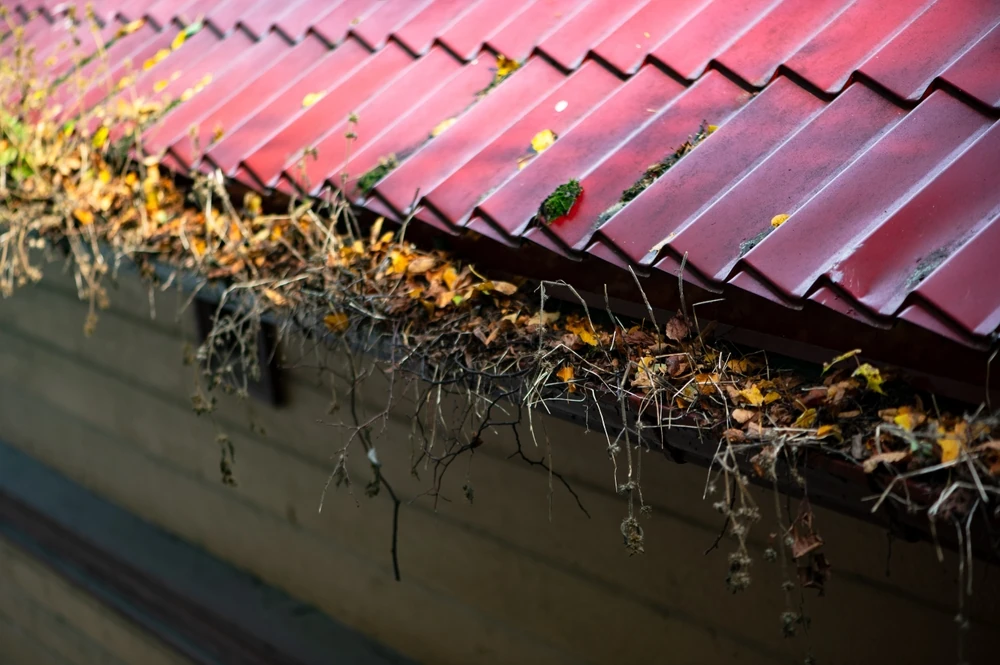
How Gutter Blockages Develop
Debris often collects at natural choke points, including:
- Gutter corners
- Joins between gutter sections
- Roof valley outlets
- Downpipe openings
- Areas beneath overhanging trees
Leaves and plant material gradually break down into a dense layer of sludge. This material traps dirt, pollen and fine particles from the roof, reducing the gutter’s capacity and slowing the movement of water.
Brisbane properties surrounded by gum trees, palms and other subtropical vegetation may experience debris throughout the year. Gum leaves can lie flat across outlets, while palm fibres, seed pods and small branches can become lodged around gutter corners and downpipe entries.
Bird nesting materials and wind-blown litter can also create blockages, even where there are no trees directly above the roof.
Why Overflow Behind the Gutter Is Serious
Water spilling over the front edge of a gutter is easy to see. Overflow behind the gutter can be more difficult to detect and may cause greater damage.
When water backs up towards the roofline, it may soak into fascia boards, eaves, roof timbers or wall cavities. Internal signs may not appear until staining, bubbling paint or mould becomes visible.
Repeated overflow can also weaken gutter brackets and cause sections of the system to sag, creating additional areas where water collects.
Preventing Blocked Gutters
Regular inspections help stop small build-ups from becoming major blockages. Warning signs include:
- Plants growing from the gutter
- Sagging gutter sections
- Water marks beneath the roofline
- Staining on fascia boards
- Water remaining in the gutter after rain
- Overflow concentrated around one outlet
Many homes benefit from gutter cleaning at least twice a year. Properties surrounded by trees may need more frequent servicing, particularly before Brisbane’s summer storm season and after periods of strong wind.
Cleaning should include:
- Removing leaves and loose debris
- Clearing sludge from the gutter channel
- Checking roof valleys and corners
- Cleaning around downpipe outlets
- Confirming that water drains freely
Leaf guards can reduce the amount of large debris entering the gutter, but they do not eliminate the need for maintenance. Fine leaves, dirt and seeds can accumulate on top of or beneath the guard and restrict water flow.
The most suitable guard depends on the roof design, surrounding vegetation and type of debris affecting the property.
Incorrect Gutter Fall, Size and Capacity
A clean gutter can still overflow if it has been installed incorrectly or cannot handle the volume of water coming from the roof.
Gutter fall, outlet placement, gutter size and downpipe capacity all need to work together. If one part of the system is inadequate, water may pond in sections of the gutter or spill over during intense rainfall.
Incorrect Gutter Fall and Ponding
Gutter fall refers to the slight slope that directs water towards the downpipe. When the fall is too shallow, uneven or running in the wrong direction, water remains in the gutter instead of draining away.
Common causes include:
- Gutters installed too level
- Sections sagging between brackets
- Loose or damaged brackets
- Movement in the fascia board
- Long gutter runs with too few outlets
Signs of incorrect fall include water sitting in the gutter after rain, visible dips along the gutter line and staining where overflow repeatedly occurs.
Correcting the problem may involve:
- Repositioning gutter brackets
- Adding support to sagging sections
- Realigning the gutter towards the outlet
- Repairing damaged fascia boards
- Adding another outlet or downpipe
A gutter that appears straight from the ground can still have a subtle backfall, so professional assessment may be needed where ponding continues.
Undersized Gutters and Downpipes
Gutters and downpipes must be able to handle the amount of water collected by the roof. Larger roof areas, steep roof pitches and concentrated flow from valleys can place considerable pressure on the system during Brisbane storms.
Possible signs of insufficient capacity include:
- Water overflowing along most of the gutter length
- Overflow occurring despite clean gutters and downpipes
- Heavy flow overwhelming one particular outlet
- Water spilling where two roof sections meet
- Downpipes filling faster than they can discharge
Solutions may include:
- Installing a deeper or wider gutter profile
- Increasing the size of the downpipes
- Adding additional downpipes
- Dividing long gutter runs into smaller drainage sections
- Installing appropriately designed overflow provisions
These changes should be planned carefully. Simply installing a larger gutter may not solve the issue if the downpipes or underground stormwater system cannot carry the additional water away.
Roof Designs That Concentrate Water
Some roof layouts direct large amounts of rainwater into a relatively small area. Roof valleys, box gutters and upper roofs that discharge onto lower roof sections can create high-flow points.
During an intense downpour, these areas may receive more water than a standard outlet can manage. This can lead to overflow into eaves, wall cavities or ceiling spaces.
Possible improvements include additional outlets, larger rainheads, separate downpipes or changes to the way water is directed from one roof level to another. These systems should be assessed by a suitably qualified professional, particularly where overflow is occurring near internal box gutters or roof junctions.
Blocked Downpipes and Stormwater Drains
The visible gutter may be completely clear while a blockage further down the system causes water to back up.
Rainwater must move through the gutter outlet, down the downpipe and into the property’s stormwater drainage system. A restriction at any point can slow the flow and cause the gutter to overflow.
How Downpipe Blockages Form
Leaves, twigs, seed pods and roof debris can wash into downpipes and become trapped around:
- Internal bends
- Pipe joins
- Screws or fixings inside the pipe
- Offset sections
- Grates and strainers
Material gradually accumulates around the obstruction until the pipe becomes partially or completely blocked.
During light rainfall, some water may still pass through. During a storm, the restricted pipe acts as a choke point, causing water to rise quickly in the gutter.
Signs of a blocked downpipe include:
- Overflow near one outlet
- Gurgling or bubbling sounds
- Water leaking from downpipe joins
- Slow flow from the bottom of the pipe
- Water backing up around a rainhead
Underground Stormwater Problems
Once water reaches the bottom of the downpipe, it usually enters an underground stormwater pipe or another approved drainage point.
Underground drains may become blocked by:
- Tree root intrusion
- Silt and mud
- Leaves and organic debris
- Pipe movement
- Cracked or collapsed sections
- Misaligned pipe joints
Tree roots can enter through small cracks and gradually reduce the internal diameter of the pipe. Silt can also settle in low or damaged sections, making it difficult for water to move through the system during heavy rain.
Warning signs include:
- Water backing up from the base of a downpipe
- Stormwater grates overflowing
- Bubbling water in garden areas
- Slow drainage after rainfall
- Water pooling near the house
- Damp ground around stormwater lines
A drain camera can help locate damaged, blocked or root-affected sections without unnecessary excavation. High-pressure water jetting may clear many obstructions, although collapsed or badly damaged pipes may need repair, replacement or relining.
How Overflowing Gutters Can Damage a Home
An overflowing gutter is more than a nuisance at the roofline. Repeated overflow allows water to reach parts of the property that are not designed for constant exposure.
The severity of the damage depends on where the water travels, how often the problem occurs and how quickly it drains away from the building.
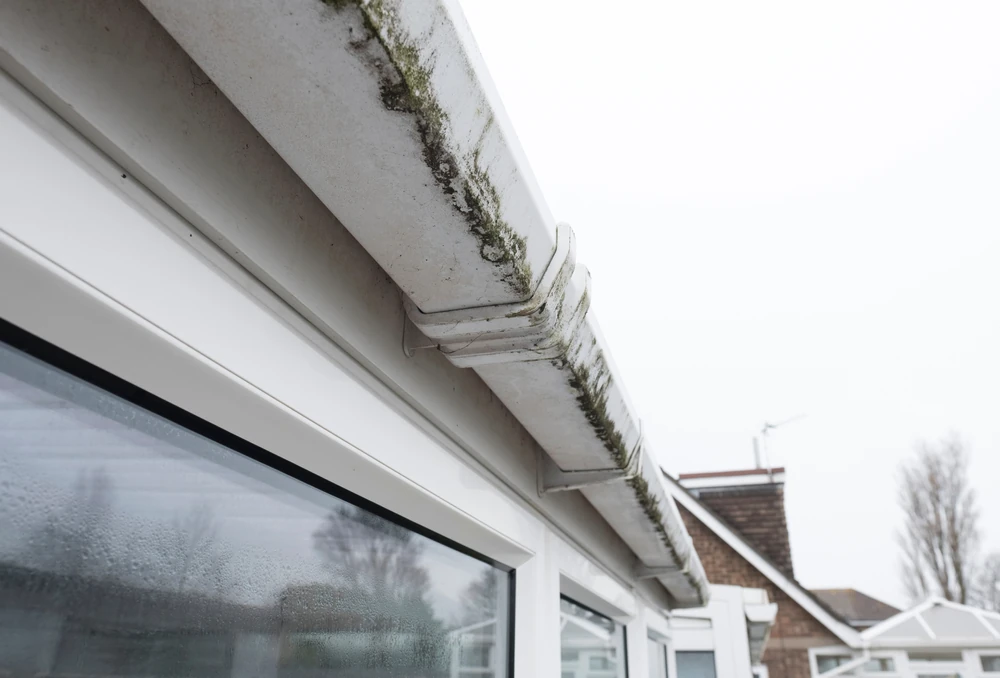
Fascia Boards, Eaves and Roof Edges
Water spilling behind the gutter may soak fascia boards, soffits and roof timbers.
Over time, this can contribute to:
- Timber rot
- Peeling paint
- Corroded brackets and fixings
- Sagging eaves
- Mould and algae growth
- Damage around roof edges
Wet timber can gradually lose strength, while repeated moisture exposure can cause painted surfaces and sealants to deteriorate.
Overflow may also enter gaps around roof sheets, tiles or flashing, leading to water stains on ceilings or walls.
Exterior Walls and Internal Moisture
Water running down the outside of a home can stain brickwork, render and weatherboards. Persistent moisture may also enter through cracks, window openings and wall penetrations.
Possible internal signs include:
- Bubbling paint
- Flaking plaster
- Damp patches
- Musty odours
- Mould growth
- Ceiling or wall discolouration
Water may travel along framing or insulation before becoming visible, meaning the internal stain may not be directly below the source of the overflow.
Soil Movement and Foundation Moisture
When water repeatedly pools around the base of a home, it can saturate or erode the surrounding soil.
Depending on the property and soil conditions, ongoing saturation may:
- Wash soil away from footings
- Contribute to movement in reactive clay soils
- Worsen existing cracks
- Increase moisture beneath the building
- Cause paths or paved areas to subside
- Damage garden beds and landscaping
Overflowing gutters do not automatically cause major foundation failure. However, repeated and concentrated water around the building can contribute to drainage and soil movement problems, particularly where the property already has poor surface drainage.
What to Check Before Heavy Rain
A simple inspection before Brisbane’s storm season can identify many common gutter and drainage problems.
Most warning signs can be checked safely from the ground. Homeowners should avoid climbing onto roofs or using ladders in wet, windy or unstable conditions. High, steep or difficult-to-access areas should be inspected by a professional.
Check the Gutter Line
Look for:
- Leaves and visible debris
- Sagging sections
- Plants growing from the gutter
- Rust, cracks or separated joins
- Staining on the fascia or wall
- Gaps between the gutter and fascia
- Areas where previous overflow has occurred
Pay particular attention to corners, roof valleys and sections beneath nearby trees.
Check Downpipes and Outlets
Confirm that downpipe openings are not covered by leaves or debris. During dry weather, a controlled hose test may help show whether water moves through the system freely.
Water should:
- Enter the outlet without pooling
- Flow through the downpipe without leaking
- Discharge freely at the bottom
- Drain away without backing up from grates or inspection points
Slow drainage, gurgling or water returning from the bottom of the downpipe may indicate a developing blockage.
Avoid forcing large amounts of water into a pipe that is already backing up, as this may worsen overflow or push water towards the building.
Inspect After Strong Winds or Storms
Brisbane storms can quickly fill gutters with leaves, branches and wind-blown debris. Hail and strong wind may also loosen brackets, damage gutter sections or shift roofing materials.
After severe weather, inspect the property from the ground for:
- New sagging or movement
- Damaged downpipes
- Overflow stains
- Loose gutter sections
- Water pooling near the home
- Ceiling or wall discolouration
Early repairs are usually simpler and less expensive than addressing ongoing water damage.
When to Call a Roof Plumbing Professional or Plumber
The correct professional depends on where the drainage problem is located.
A suitably qualified roof plumbing or guttering professional may be needed when the issue involves the roofline, gutters, flashings, rainheads or above-ground downpipes.
A licensed plumber with drainage experience may be more appropriate when the problem involves underground stormwater pipes, blocked drains or water backing up from the base of the downpipes.
Problems Around the Roofline
Professional help should be arranged when:
- Gutters continue to overflow after cleaning
- Water spills behind the gutter
- Sections of gutter are rusted, split or sagging
- Water enters around eaves or roof junctions
- Roof valleys repeatedly overwhelm the gutter
- Downpipes or outlets appear too small
- Ceiling stains appear after heavy rain
These issues may require gutter realignment, replacement sections, changes to outlet locations or improvements to the roof drainage design.
Problems Below Ground
A plumber with suitable drainage equipment should inspect the system when:
- Water backs up from the bottom of downpipes
- Stormwater grates overflow
- Water bubbles up through lawns or garden beds
- Underground drains remain full after rain
- Tree roots are suspected
- Pipes may be cracked, collapsed or misaligned
Drain cameras and high-pressure water jetting can help identify and clear problems that cannot be seen from the surface.
Situations Requiring Urgent Assistance
Urgent professional help is needed when:
- Water is entering light fittings or electrical outlets
- A ceiling is sagging or bulging
- Large amounts of water are entering walls or ceilings
- Soil is washing away near footings
- Gutter sections are loose or at risk of falling
- Water is rapidly flooding internal areas
Do not touch electrical fittings or water near electrical equipment. Keep people away from the affected area and isolate the power only when it is safe to do so.
Protecting the Home from Gutter Overflow
Preventing overflowing gutters requires more than occasionally removing leaves. Gutters, downpipes and underground stormwater drains must work together to move water safely away from the property.
Regular cleaning, storm-season inspections and prompt repairs can reduce the risk of water entering roof spaces, damaging exterior walls or pooling around the home. Persistent overflow should not be ignored, particularly when it continues after visible debris has been removed.
Hop To It Plumbing can assess gutter drainage, downpipe flow and stormwater problems to identify the cause of repeated overflow. With appropriate maintenance and repairs, homeowners can keep their drainage systems ready for Brisbane’s heaviest rainfall and protect their properties from avoidable water damage.