-full-color-rgb-2000px-w-72ppi.webp)
A blocked drain can appear to be a minor plumbing inconvenience, but it may also be a warning sign of a serious sewer line issue. While some drainage problems are isolated to a single fixture, others can indicate underlying damage, tree root intrusion or an obstruction within the main sewer line. Understanding the difference is important because ongoing drainage issues can lead to sewage backups, property damage and more extensive repairs.
For homeowners dealing with blocked drains in Brisbane, recognising the warning signs can help prevent a small problem from developing into a plumbing emergency. Hop To It Plumbing assists property owners with identifying the cause of drainage issues and determining whether the problem is limited to a single fixture or requires further investigation of the sewer line.
This article explains how to distinguish a routine drain blockage from a potential sewer line fault. It covers the symptoms that may affect toilets, sinks, showers and outdoor drains, the common causes of sewer line problems and the methods plumbers use to identify the source of a blockage.
How Is a Sewer Line Problem Different From a Minor Blockage?
A slow or blocked drain may be caused by a simple obstruction close to a fixture. However, it can also point to a problem within the main sewer line that carries wastewater away from the property.
The main differences are the number of fixtures affected, the severity of the symptoms and whether the problem continues to return after the drain has been cleared.
Location and Number of Affected Fixtures
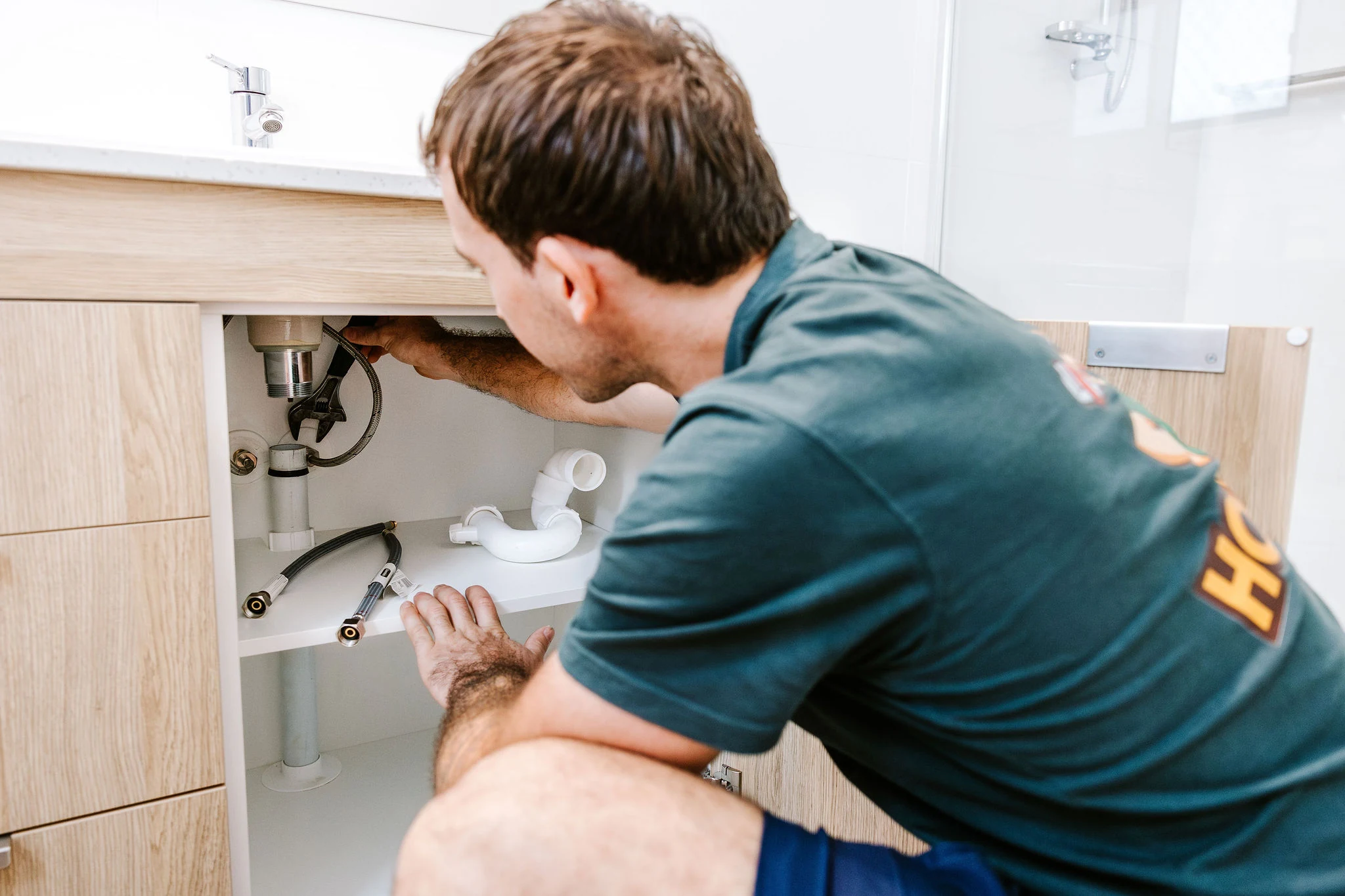
A minor blockage is usually localised. For example, a bathroom sink that drains slowly while all other fixtures work normally may have a build-up of hair, soap scum or other debris in the trap or nearby waste pipe.
A sewer line problem is more likely to affect several fixtures, particularly those on the lowest level of the property. A ground-floor toilet may gurgle when the washing machine drains, or water may back up into a shower or floor drain when a bath is emptied.
Repeated blockages that return shortly after clearing can also indicate a deeper issue rather than a one-off clog.
Severity and Recurrence
Minor blockages commonly cause slow drainage or a small amount of standing water. Removing visible hair or debris from the waste outlet may resolve the issue.
Sewer line problems tend to be more persistent and disruptive. The warning signs may include recurring clogs, sewage odours, gurgling sounds and dirty wastewater backing up through low-level fixtures.
When the same issue continues to return, it is worth investigating why a drain keeps blocking after it has been cleared rather than relying on repeated short-term fixes. A licensed plumber can inspect the line and determine whether the cause is a deeper obstruction or damaged pipework.
Warning Signs the Problem May Be Affecting the Sewer Line
Sewer line problems usually cause broader symptoms than a localised blockage. Paying attention to how different fixtures behave can help identify when the issue requires professional assessment.
Multiple Fixtures Backing Up
One of the clearest warning signs is more than one drain experiencing problems at the same time.
For example, the toilet may gurgle when the shower is used, or dirty water may rise through a floor drain when the washing machine empties. When several fixtures slow down or back up together, the main sewer line may be struggling to carry wastewater away from the property.
A blockage limited to one sink or shower is more likely to be located in the individual trap or branch pipe.
Gurgling Noises and Air Bubbles
Gurgling noises can occur when wastewater struggles to move past a restriction and trapped air is pushed back through the pipework.
A toilet that bubbles when a tap is turned on or a floor drain that gurgles after the washing machine empties may indicate a partial blockage further along the line. These symptoms are particularly concerning when they affect several fixtures or continue to worsen.
Persistent Sewage Odours
Unpleasant smells from drains may indicate that wastewater is not moving through the system correctly.
A single odour from one fixture may be related to a dry trap or a local plumbing issue. However, persistent sewage smells from several drains or around an outdoor overflow relief gully can point to a more significant drainage problem.
Sewage Backups
Sewage backing up through a toilet, shower, floor drain or outdoor gully should be treated seriously. Grey or black wastewater rising through a low-level fixture is rarely caused by a minor clog near the drain opening.
Avoid using toilets, sinks, showers and washing machines until the problem has been assessed. Continuing to send water through the system can worsen the overflow and increase the risk of contamination inside the property.
Wet, Soggy or Sunken Areas Outside
Not all sewer line problems are visible inside the home. Unexplained wet patches, soft ground or sunken areas in the yard may indicate that wastewater is escaping from a damaged underground pipe.
Strong odours outdoors or a strip of unusually green grass along the sewer alignment can also be warning signs. A plumber may need to inspect the pipework to determine whether the cause is a leak, cracked pipe or collapsed section.
What Can Cause a Sewer Line Blockage?
Sewer line blockages can develop gradually or occur suddenly. Identifying the cause is important because clearing an obstruction may not provide a lasting solution if the pipe itself is damaged.
Tree Roots Infiltrating Pipes
Tree roots are a common cause of recurring sewer line blockages. Roots naturally seek out moisture and can enter through small cracks, loose joints or damaged sections of older pipework.
Once inside the pipe, fine roots can spread and trap toilet paper, wipes and other debris. Over time, the obstruction becomes larger and restricts wastewater flow.
Properties with mature trees or shrubs near the sewer alignment may be more vulnerable, particularly where older clay or concrete pipes are present.
Grease, Fats and Food Waste
Cooking fats and grease can contribute to drain blockages when they are washed down the sink.
Liquid fat may appear harmless while it is warm, but it can cool and solidify on the inside of the pipe. As additional grease, food scraps and debris collect, the available space for wastewater to pass through becomes narrower.
Scraping food waste into the bin and avoiding the disposal of fats and oils through the sink can help reduce the risk.
Wipes and Other Foreign Objects
Toilets are designed to carry human waste and toilet paper. Other items may not break down quickly enough to pass through the sewer line safely.
Wet wipes, facial tissues, paper towels, sanitary products, cotton buds and nappies can snag on rough pipe surfaces, tree roots or damaged joints. Even products labelled as flushable can contribute to blockages.
Damaged, Collapsed or Misaligned Pipes
Sewer pipes can deteriorate, crack, sag or shift over time. Damaged joints and low sections of pipe may interrupt the flow of wastewater and allow debris to collect.
Structural problems are more likely to cause blockages that return after clearing. A plumber may recommend a CCTV drain inspection to determine whether the issue is caused by a temporary obstruction or a damaged section that requires repair.
How a Plumber Identifies the Source of the Problem
Identifying whether a blocked drain is a local obstruction or a deeper sewer issue requires a structured approach. Rather than relying on repeated clearing, a plumber can assess where the symptoms appear, how the system behaves under use and whether the pipework has been damaged.
Initial Assessment and Diagnostic Questions
The first step is to review the symptoms around the property. The plumber may ask:
- Is one fixture affected or are several drains slow?
- Does the blockage keep returning?
- Are toilets or floor drains gurgling when water is used elsewhere?
- Is dirty wastewater backing up through low-level fixtures?
- Are there persistent sewage odours indoors or outside?
- Do the symptoms worsen during or after heavy rain?
Drainage problems that become worse in wet weather may indicate that stormwater is entering the sewerage network or that an existing pipe issue is being aggravated by heavy rainfall.
Physical Testing and Isolating the Line
The plumber may check traps, external inspection points and outdoor drains to determine whether wastewater is flowing freely.
Water may be run through individual fixtures while other drains are monitored for backflow, gurgling or rising water. This can help narrow down whether the blockage is close to one fixture, within the private sewer line or further along the connection.
An overflow relief gully may also provide useful information. This grated outlet is generally located outside the home and is designed to direct an overflow outdoors rather than allowing wastewater to back up inside the property. It should remain clear and unobstructed.
CCTV Drain Cameras and Advanced Diagnosis
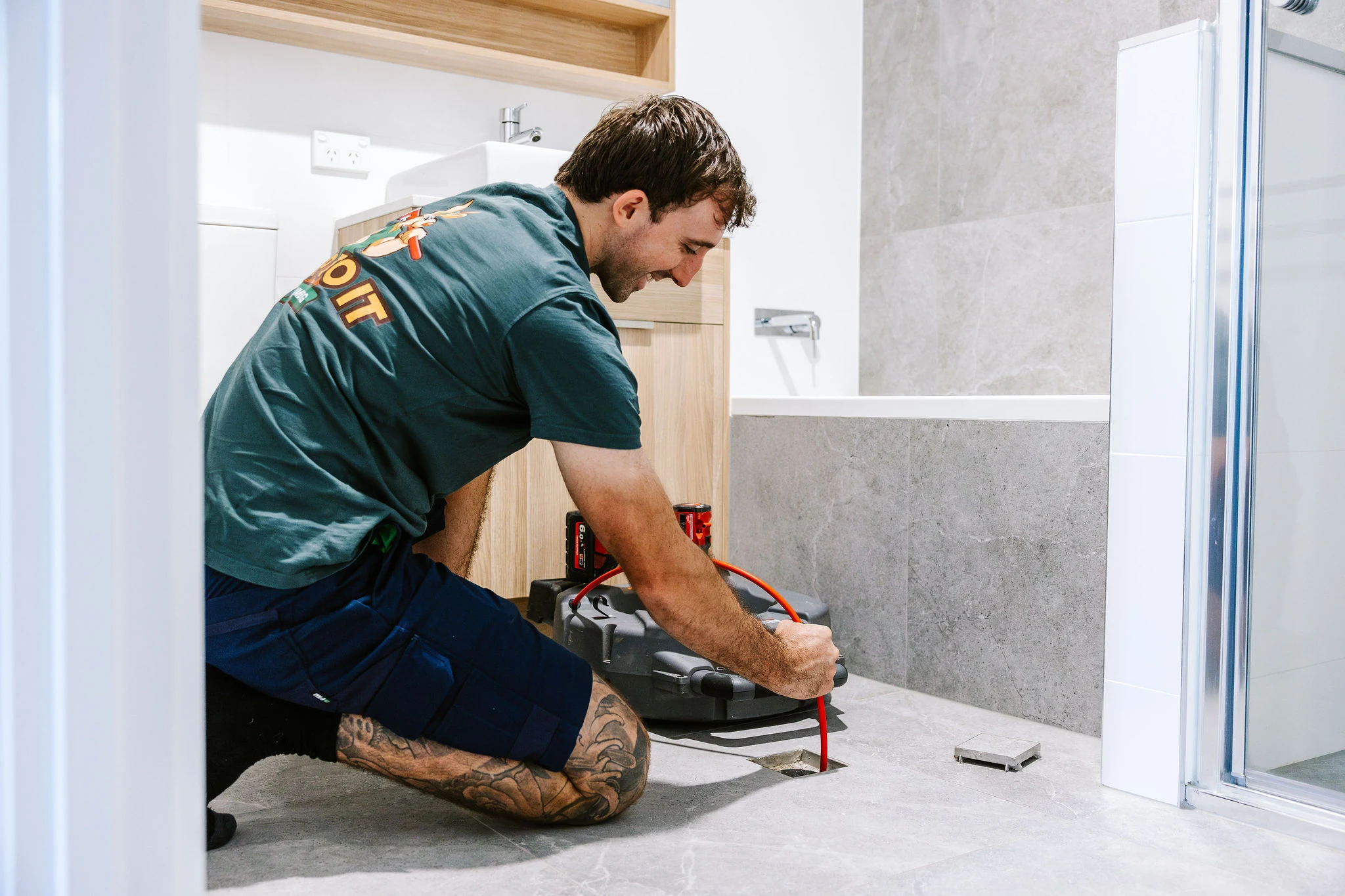
When the location or cause of the blockage is not obvious, a CCTV drain inspection can provide a clearer answer. Recurring clogs, sewage odours and slow drainage across multiple fixtures are among the signs you may need a CCTV drain inspection.
A specialised camera is inserted through an access point and moved along the pipe while the plumber reviews the footage. This can reveal tree roots, grease build-up, cracks, displaced joints, collapsed sections and foreign objects.
A locator may also be used to identify the position and depth of the damaged section. This allows repair work to be targeted more accurately instead of relying on guesswork about where excavation may be required.
When Does a Sewer Problem Need Urgent Attention?
Some minor drainage issues can be addressed during a scheduled plumbing appointment. However, a sewer problem may require urgent attention when wastewater is backing up, people may be exposed to contamination or delay could lead to further property damage.
When Sewage Is Entering the Property
Any sewage overflow inside the property should be treated as urgent.
Avoid contact with the wastewater, keep children and pets away from the affected area and stop using plumbing fixtures until the cause has been assessed. Using toilets, taps, showers or washing machines may send more wastewater into the blocked line and worsen the overflow.
Urban Utilities provides further guidance on what to do when a blockage or sewage overflow occurs, including when to contact a licensed plumber or report a problem affecting the broader sewerage network.
When Several Fixtures Are Affected
A slow sink may be caused by a local obstruction. However, multiple fixtures backing up at the same time suggest that the issue is deeper in the system.
Urgent assessment may be required if toilets, showers and floor drains are affected together, particularly when dirty water is rising through low-level fixtures.
When There Are Signs of Underground Damage
Persistent soggy ground, sunken areas, wastewater smells or unexplained moisture near the sewer alignment can indicate a leaking or damaged underground pipe.
Leaving the problem unresolved may contribute to soil erosion, damage to paths or movement around slabs and foundations. A prompt inspection can identify whether the line requires clearing, repair or replacement.
Who Is Responsible for a Blocked Sewer Line?
The appropriate point of contact depends on where the blockage is located.
Property owners are generally responsible for private plumbing and sewer pipes on their property up to the sewer connection point. Further information about responsibility for blockages and sewage overflows is available from Urban Utilities.
If a blockage appears to be within private pipework, a licensed plumber can inspect the line and recommend the appropriate solution. If the problem appears to involve the broader sewerage network or an external overflow, Urban Utilities may also need to be notified.
Arrange an Inspection Before the Problem Escalates
A single slow-draining sink or shower may be caused by a local blockage, but recurring clogs, gurgling toilets, sewage odours and backups affecting multiple fixtures can indicate a deeper sewer line problem.
These warning signs should not be ignored, particularly when wastewater is entering the property or the symptoms return shortly after clearing. A professional inspection can identify whether the cause is a simple obstruction, tree root intrusion or damaged pipework, allowing the appropriate repair to be carried out before the problem becomes more disruptive and costly.
For assistance with blocked drains in Brisbane, contact Hop To It Plumbing to arrange an inspection.