-full-color-rgb-2000px-w-72ppi.webp)
Recurring drain blockages are more than a temporary inconvenience. A drain may seem fixed after being cleared, only for slow drainage, gurgling sounds or wastewater backups to return shortly after. In many cases, this points to a deeper issue within the plumbing system rather than a simple one-off obstruction. At Hop To It Plumbing, recurring problems with blocked drains in Brisbane are often linked to hidden faults such as damaged pipes, grease build-up, tree root intrusion or poor drainage design.
This article explains why drains can continue to block after being cleared and what may be happening inside the pipework. It also looks at the most common causes of repeated blockages and how professional diagnostics help identify the true source of the problem, from pipe damage and tree root intrusion to grease build-up and poor drainage design. Understanding these issues can help reduce repeated callouts, avoid unnecessary costs and identify when a lasting repair is needed.
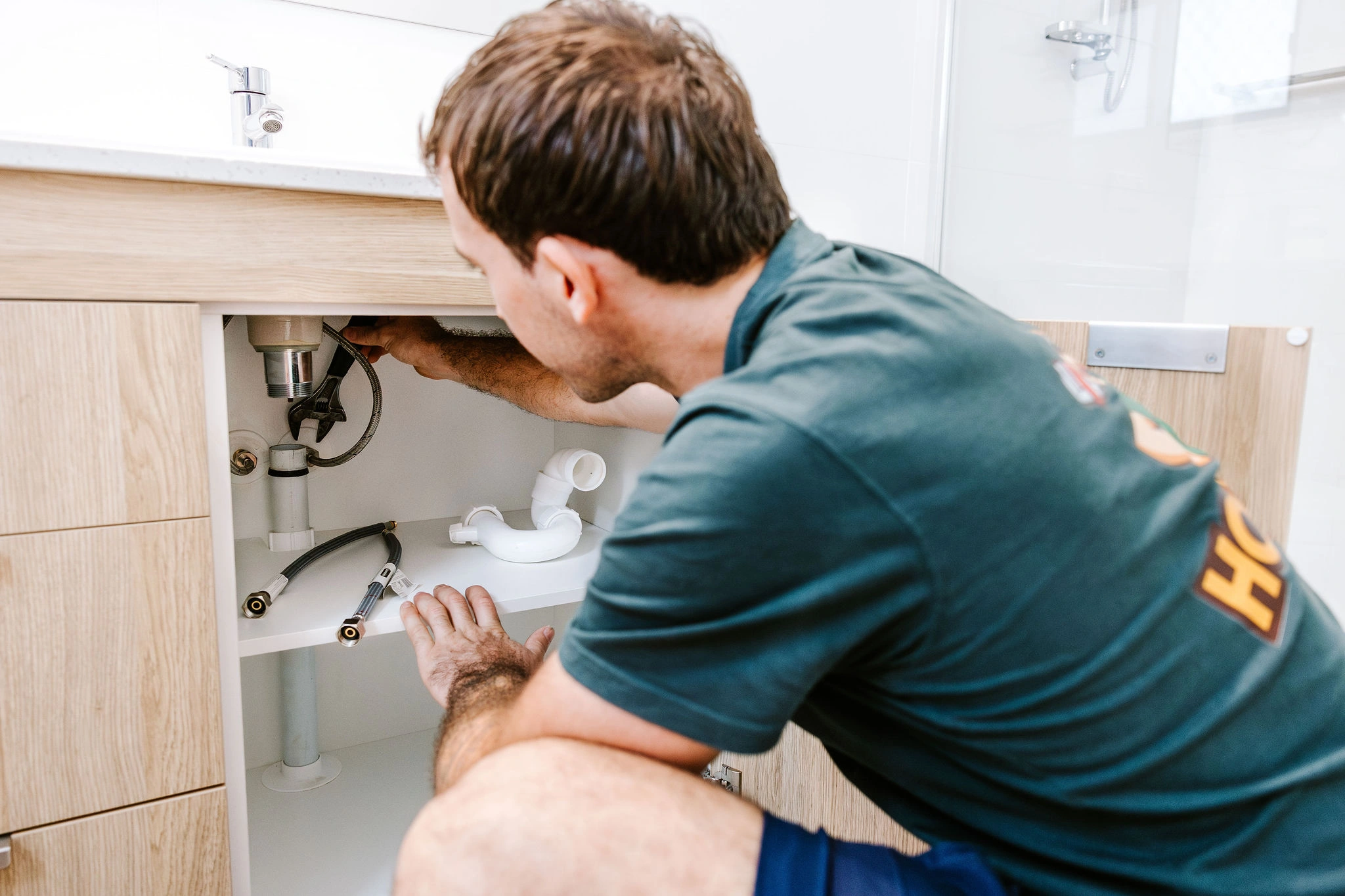
Why Clearing a Blockage Does Not Always Fix the Problem
Clearing a drain restores flow, but it does not always remove the cause of the blockage. If material remains on the pipe walls, a foreign object is still lodged in the line or the pipe itself is damaged, the same drain can block again within days or weeks.
Short-term clearing methods such as plunging, basic drain snakes or chemical cleaners often open a small path through the obstruction without removing all of the built-up material. In other cases, the real issue lies further along the line, inside the pipe walls or in faults that cannot be seen without proper inspection.
Partial Clearing Rather Than Full Removal
Many blockages form gradually rather than from one solid object. Grease, soap scum, hair, food residue and wipes can coat the pipe interior over months. A plunger or basic snake may push a hole through the centre of this mass so the water drains again temporarily. However, much of the material can remain stuck to the pipe and quickly trap new debris.
Chemical drain cleaners can have a similar effect. They may break down some organic matter close to the waste outlet but often do not reach thicker deposits further along the pipe. If the pipe is old, rough or already narrowed by build-up, these deposits can reform quickly after each clear.
Underlying Pipe Damage or Design Faults
If blockages keep returning in the same location even after thorough clearing, the pipe itself may be contributing to the problem. Cracked, collapsed or misaligned pipes create physical traps that catch debris as it passes. Water may drain for a short time after clearing, but the damaged section can keep snagging hair, grease, wipes or foreign objects until the pipe clogs again.
Poor pipe gradients are another common cause. A pipe that is too flat does not allow wastewater to move through the line properly. Solids can settle in low spots and begin to build up. Clearing removes the immediate obstruction, but it does not correct the fall of the pipe, so the same problem can return.
Old plumbing that mixes different pipe sizes or uses too many sharp bends can also create slow points where material settles. In these cases, recurring blockages are often a design issue, not simply a cleaning issue.
Hidden Issues Beyond the Immediate Drain
Sometimes, the blockage is only a symptom of a wider problem further down the system. A repeatedly blocked kitchen sink, for example, may be linked to a partially obstructed main sewer line. Clearing the sink trap may bring short-term relief, yet the restricted main line can continue to back up during heavy use.
Household drains can also be affected by ventilation issues. If the venting is inadequate or blocked, the system cannot equalise pressure properly. This can cause sluggish drainage, gurgling and frequent build-up in certain fixtures even when the local pipework appears clear.
Persistent problems usually require inspection with appropriate equipment, such as CCTV cameras, along with repair or modification of damaged or poorly designed sections to provide a lasting solution.
Common Causes of Repeated Drain Blockages
Repeated blockages usually point to a recurring source of debris, a usage issue or a fault within the pipework itself. The water may appear to flow normally for a short time after clearing, but if the same drain blocks again days or weeks later, the cause has likely not been fully removed.
Understanding what is happening inside the pipes is essential to stopping the cycle. In many homes, build-up and pipe defects work together, meaning even a professional clear may only provide temporary relief unless the cause is properly identified.
Build-Up of Fat, Oil, Food Scraps and Soap Residue
Kitchen drains are particularly prone to repeated blockages caused by fats and oils. Hot oil or greasy water may go down the sink freely, but as it cools inside the pipe, it can harden on the pipe walls. This coating catches food scraps, coffee grounds and other particles until the flow is restricted again.
Bathroom drains can develop a similar problem with soap scum and hair. Some soaps react with minerals in the water to form a sticky film. Hair then tangles in this film and catches more debris every time the shower runs. Even if the blockage is cleared with a plunger or basic cable, residue can remain and quickly rebuild into another clog.
Foreign Objects and Incorrect Flushing
Toilets often block repeatedly because of what is being flushed. Wet wipes labelled “flushable”, sanitary products, cotton buds, nappies and paper towels do not break down like toilet paper. They can catch on small imperfections in the pipe, then collect more material every time the toilet is used.
Children may also flush toys or other objects that can lodge in the pipework. Even if the blockage is partially cleared, the original item may remain in place and act as a permanent snag point. This explains situations where the toilet seems fine for a short time, then suddenly blocks again under normal use.
Only human waste and toilet paper should be flushed. Everything else, including “flushable” wipes, should go in a bin to reduce the risk of repeat blockages.
Structural Problems With the Pipework
When a drain blocks repeatedly despite careful use, there is often a structural fault in the system. Common structural issues include:
- Cracked or collapsed sections of pipe
- Sagging or “belly” in the line where water pools
- Tree root intrusion through joints or tiny cracks
These faults create places where waste slows down or gets snagged. Even a thorough mechanical clean may only move material past the problem area for a short time. Without repairing the damaged section, blockages can keep returning in the same location.
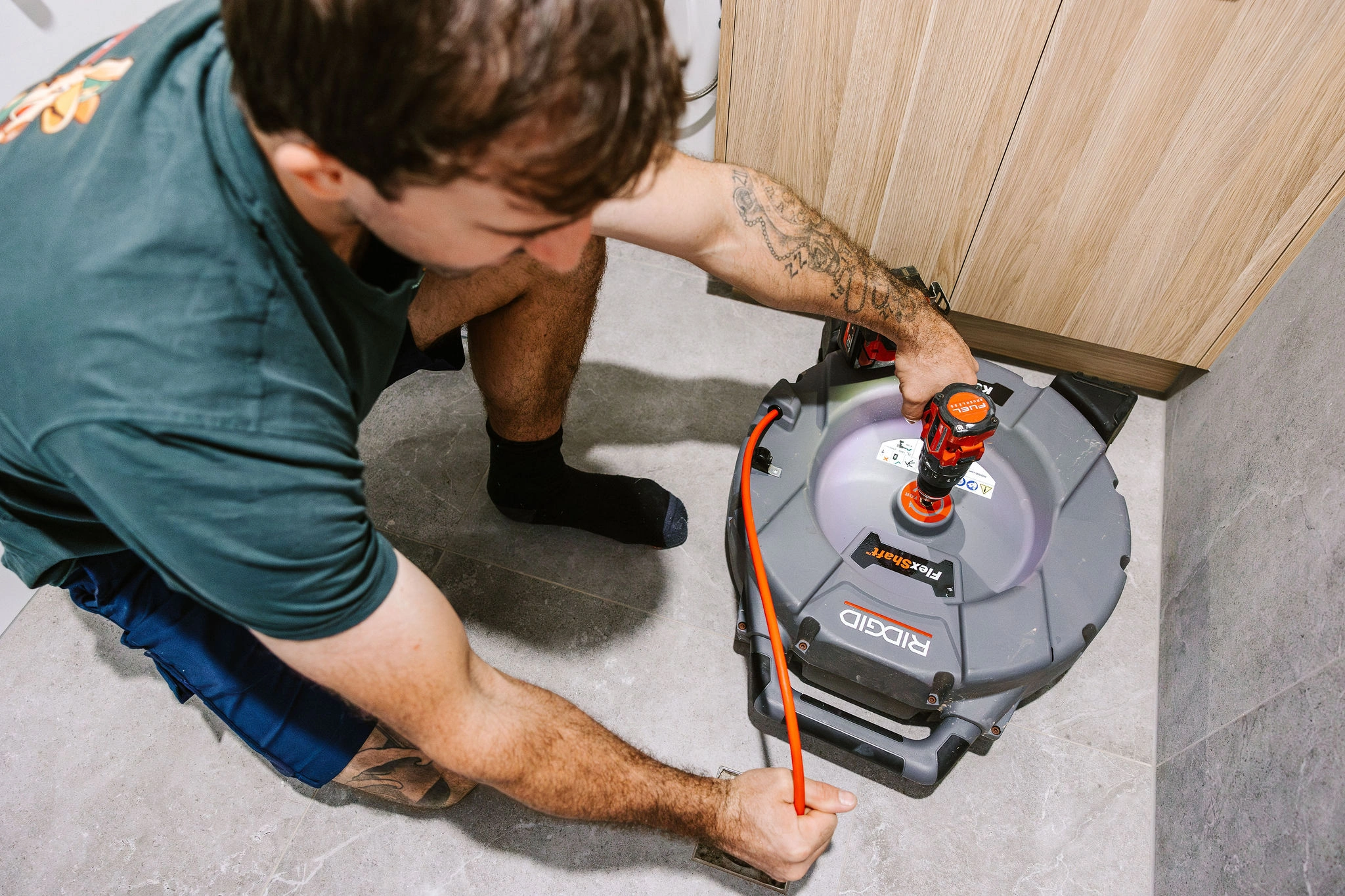
How a Plumber Finds the Underlying Cause
When a drain keeps blocking after it has been cleared, the priority is to work out why the problem keeps coming back instead of just forcing water through again. A licensed plumber follows a structured process to identify what is happening inside the pipework, then chooses a repair that targets the actual fault rather than only the symptom.
This investigation usually combines questions about how the drain has been behaving with physical testing and internal inspections. The aim is to confirm whether the problem is caused by usage habits, pipe damage, incorrect installation or a fault further along the sewer line.
Initial Assessment and Simple Diagnostic Checks
The first step is a visual and functional inspection. The plumber will typically:
- Ask where and how often the blockage occurs and what was happening before it backed up
- Check multiple fixtures to see whether the issue is isolated to one drain or affects a whole branch of the system
- Run taps and flush toilets to observe how quickly water drains and whether gurgling or air bubbles appear
External inspection of gully traps, inspection openings and accessible pipework can reveal obvious problems such as overflowing gullies, incorrect pipe fall or signs of previous poor-quality repairs.
Use of CCTV Drain Cameras and Locators
If the cause is not visible from the surface, a drain camera is usually the next step. After inserting the camera through an access point, the plumber can view the inside of the pipe in real time and record footage for review.
CCTV inspection can clearly show:
- Tree root intrusion at joints or cracks
- Collapsed or misaligned sections of pipe
- Fat, oil and grease build-up narrowing the pipe
- Foreign objects lodged in bends or junctions
- Sagging sections of pipe where water collects
A radio locator can then be used above ground to track the camera head and mark the exact position and depth of any faults. This allows targeted repair instead of unnecessary excavation along the entire line.
How to Reduce the Risk of Future Blockages
Once a drain has been cleared, the next step is to reduce the conditions that allowed the blockage to form. Ongoing blockages are often linked to repeated habits, older pipework or system faults that keep feeding the problem. By adjusting how fixtures are used and acting early when warning signs appear, the risk of recurring clogs can be reduced.
The most effective approach combines simple day-to-day changes with timely professional maintenance when needed. This limits build-up inside the pipework and helps stop minor issues from progressing into full blockages.
Change Everyday Habits at Sinks, Showers and Toilets
Most repeat blockages come from the same materials entering the drain again and again. Controlling what goes down each fixture is one of the simplest ways to reduce risk.
In kitchens, avoid tipping cooking oil, fat or greasy residue into the sink. Allow fat from roasting trays or pans to cool and set, then scrape it into the bin. Liquid oil should be collected in a container for disposal rather than washed away. Food scraps, including rice, pasta, coffee grounds and peels, should go in the bin or compost even if there is a strainer in place. These items can swell, settle in pipes and trap other debris.
In bathrooms, hair and soap scum are the main offenders. Hair catchers or strainers over shower and bath wastes are inexpensive and effective when emptied regularly. Wipes, cotton pads, cotton buds, sanitary products, nappies, dental floss and similar items should be kept out of the toilet. Only human waste and toilet paper should be flushed.
Improve Simple Protective Measures
Basic protective fittings and simple cleaning routines can reduce build-up inside drains when used properly.
Sink strainers should be fitted in kitchen and bathroom basins where possible and left in place during use. These catch larger particles before they can enter the pipework. Regular cleaning with hot water and detergent prevents the strainers themselves from becoming a source of odour or restriction.
Running hot water through kitchen sinks for several minutes after washing up can help move thin grease film before it hardens. Abrasive cleaners, metal scourers and caustic products should be avoided on older or fragile pipework, as they can damage internal surfaces and make them more likely to catch debris.
Chemical drain cleaners are best used sparingly. Frequent use can corrode pipes and seals and may push a partial blockage further along the system rather than clear it properly. If slow drainage persists after light cleaning, mechanical methods such as a plunger or drain snake are usually safer and more effective.
Schedule Inspections and Act on Early Warning Signs
Recurring blockages often indicate an underlying structural or environmental issue, such as tree root intrusion, sagging or broken pipes, scale build-up or poor pipe fall. These problems rarely resolve without intervention.
Slow drainage, gurgling noises after fixtures are used, water backing up in another drain when a toilet is flushed, or persistent smells from wastes are all signs that deposits may be accumulating. Addressing these signs early with professional inspection reduces the likelihood of a complete blockage.
Periodic CCTV drain inspections can be useful for properties with repeated problems, older homes or homes surrounded by large trees. A camera survey can reveal cracked joints, root entry points or sections where water is pooling so targeted repairs or relining can be planned before the system fails again.
Fixing the Cause, Not Just the Blockage
Persistent drain blockages usually mean the underlying cause has not been properly resolved. Temporary clearing methods may restore water flow for a short time, but damaged pipes, tree roots, grease build-up or poor pipe fall can continue trapping debris and causing the same problem to return.
A lasting solution depends on identifying the source of the blockage and repairing or clearing it properly, rather than repeatedly treating the symptoms. Detailed inspections, targeted repairs and better drain habits can help restore reliable drainage and reduce the risk of property damage or emergency plumbing repairs.