-full-color-rgb-2000px-w-72ppi.webp)
Heatwaves are becoming more frequent and more intense, and extreme heat can be just as damaging to plumbing as winter cold. At Hop To It Plumbing, we see a clear rise in cracked pipes, leaking joints and sudden bursts after prolonged hot weather. High temperatures place pipework under sustained stress, affect how materials expand and contract, and contribute to soil movement and pressure changes that weaken plumbing systems over time.
During severe heat, many homeowners only realise there is a problem once a leak appears or a pipe fails without warning. That’s when an emergency plumber in Brisbane is typically called to deal with damage that has been building quietly for weeks. Understanding how heat affects pipe materials, underground services and system pressure helps property owners recognise early warning signs and prevent costly water damage before it becomes urgent.
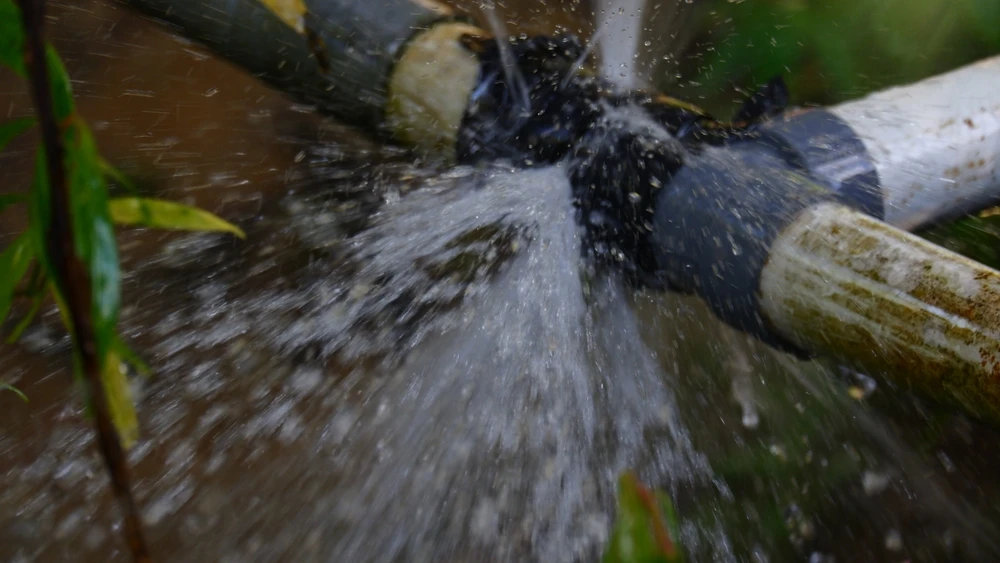
How Heatwaves Stress Pipes and Plumbing Systems
During a heatwave, plumbing is exposed to conditions it was not designed to handle day after day. Extreme temperatures, higher water demand and movement in the ground all combine to put extra strain on pipes, joints and fixtures. Professionals often see a spike in leaks and bursts during prolonged hot spells because existing weaknesses in a system are pushed past their limit.
Understanding exactly how heat places stress on pipes helps homeowners spot early warning signs and reduce the risk of sudden failures. It is not just the hottest days that cause issues, but the repeated cycles of heating and cooling that gradually fatigue materials and fittings.
Expansion, Contraction and Material Fatigue
All pipe materials expand as they heat up and contract as they cool. In a heatwave, this movement becomes larger and more frequent, which can slowly loosen joints and fittings.
Metal pipes such as copper and galvanised steel conduct heat quickly. When exposed to hot attic spaces, wall cavities or direct sun on external runs, they can expand enough to stress soldered joints or threaded connections. Plastic pipes such as PVC and PEX are more flexible, but they are also more sensitive to high temperatures. Prolonged heat can soften plastic and cause slight distortion, especially where pipes are tightly clipped or pass through small holes in framing.
As pipes expand, they rub against supports, brackets and building materials. As time passes, this can:
- Wear away protective coatings
- Enlarge holes in timber or masonry
- Create clicking or knocking sounds when taps are turned on
Repeated cycles of expansion and contraction eventually weaken fittings, particularly older compression joints and rubber seals, which harden and crack with age.
Increased Water Temperature and Pressure Fluctuations
Heatwaves often mean both the cold and hot water supplies run warmer than usual. Cold mains water sitting in hot ground or sun-exposed metre boxes can approach lukewarm. Inside the property, water stored in cylinders and pipework climbs higher in temperature with less energy required from the heater.
Warmer water behaves differently in a few important ways. It expands more, which can push system pressures up, especially in closed hot water systems that lack a properly sized expansion vessel or a working pressure relief valve. As pressure rises, weak spots like corroded sections, pinholes or tired washers are more likely to start leaking.
High outdoor temperatures also drive higher water usage. Evaporative coolers, garden irrigation and more frequent showers cause pressure drops and surges as different fixtures turn on and off. These rapid pressure changes, known as water hammer, can strain pipe joints and valves that are already stressed by heat.
Soil Movement and Shifting Pipe Support
Heatwaves usually come with very dry conditions. As soil dries out, it shrinks and pulls away from foundations and underground pipe trenches. This movement can leave sections of pipe unsupported or introduce small bends and sags.
Rigid materials, such as older clay or concrete drains, can crack when the ground moves around them. Even flexible plastic drainage and water service pipes are affected if the bedding material dries and collapses in spots. This shifting support places extra bending stress on joints and can lead to misaligned connections or slow leaks that only show up as higher water bills or damp patches.
Pipe Failures Commonly Triggered by Extreme Heat
When temperatures soar, pipe systems are put under stresses they were never designed to handle day after day. Clients often notice problems like sudden leaks, weak water pressure or discoloured water during a heatwave, then discover a hidden failure in the plumbing. Plumbers notice the same patterns repeat whenever extreme heat hits, so it is possible to predict which types of problems are most likely.
Understanding how heat triggers failures helps homeowners act early instead of waiting for a major burst or flood. The issues below are the ones our plumbers most commonly trace back to hot weather conditions.
Pipe Expansion That Leads to Cracks and Bursts
Most pipe materials expand as they get hotter. In a short heat spike, this is usually harmless, but during a long heatwave, repeated expansion and contraction can weaken joints and fittings. Copper and steel pipes in roof spaces or external walls can move just enough to rub against framing, which eventually wears pinholes into the metal.
Plastic pipes such as PVC and PEX are even more sensitive to temperature change. They can sag between supports when they soften in the heat, which pulls on fittings and threaded connections. That movement opens up tiny gaps that start as slow weeps, then turn into visible leaks or sudden bursts when pressure changes.
Homeowners often first spot this as a damp patch on a ceiling below a hot roof cavity, a hissing sound in a wall, or a section of exposed pipe that looks bowed or out of line. Any visible distortion in pipework during a heatwave is a warning sign that failure may be close.
Soil Movement Around Underground Pipes
Extreme heat often goes hand in hand with dry conditions, causing soil to shrink and shift. This movement places underground water and sewer pipes under uneven pressure. Rigid materials are prone to cracking when the soil pulls away or settles.
As the ground dries, gaps can open around pipe bedding. Sections of pipe may then sag, creating low spots where waste or sediment collects. This leads to blockages and joint failures. After rain returns, the now weakened pipe can collapse under the added weight of saturated soil.
Common signs linked to this type of heat-triggered failure include frequent drain blockages, gurgling toilets, wet patches in the yard that never dry, or a sudden increase in water usage with no visible leak indoors. Professional plumbers frequently find that these problems start during a string of very hot days, then show up weeks later.
Increased Water Pressure and Supply Line Stress
During heatwaves, more people use hoses, sprinklers, evaporative coolers and outdoor showers at the same time. In some areas, this can cause pressure fluctuations in the mains supply. Sudden spikes in pressure put extra strain on older pipes, flexi hoses and ageing valves.
Flexible braided hoses under sinks and basins are a common weak point. The internal rubber can harden in hot conditions and then split when pressure rises. Likewise, old galvanised or copper pipes already thinned by corrosion are more likely to fail when pushed to higher pressure during hot spells.
Indoors, the first warning signs are banging or knocking noises when taps are turned off, known as water hammer, vibrating pipes or mixers that suddenly begin to drip. Outdoors, small spray leaks from garden taps or at the connection to irrigation systems are often the first visible symptom that heat-related pressure stress is at work.
Why Damage Often Appears After the Heatwave Ends
Many are surprised when pipes start leaking or bursting just after a heatwave rather than during the hottest days. The damage often begins silently while it is extremely hot but only becomes obvious once temperatures drop and the plumbing system starts to move and cool. Understanding this delay helps homeowners know when to be on high alert and when to call before a minor problem turns into a soaked ceiling or ruined flooring.
During a heatwave, pipes expand, seals soften and soil around underground lines dries and shifts. When the weather cools, everything contracts and settles again. It is this rapid change after extreme heat that often exposes the weaknesses created during the hot spell.
Expansion During Heat, Then Stress During Cooling
In high heat metal and plastic pipes expand. Joints, elbows and fittings are under extra stress as different materials expand at slightly different rates. Rubber washers and O-rings can soften, reducing the tightness of seals.
When the heatwave breaks and cooler air or water moves through the pipes, the opposite happens. Pipes contract and seals stiffen. Any small gaps or hairline cracks that started in the heat can suddenly open just enough for water to escape. The homeowner often only notices the issue once regular water use resumes at cooler temperatures, such as the morning after a cool change.
This temperature swing can also affect hot water systems. Cylinders and connections that were under constant high temperature are suddenly hit with cooler incoming water, which can cause weakened joints to fail.
Ground Movement After Drying Out
Extreme heat often dries out the soil around underground pipes. As moisture evaporates, the ground can shrink and pull away from pipework, leaving it less supported. During the heatwave, this movement can twist or sag pipes slightly and create stress points.
When the weather breaks, and rain or cooler conditions return, the soil absorbs moisture and expands again. This second movement can bend or press on pipes that were already weakened. Small cracks that developed in the dry period can open further once the ground swells, which is why leaks or loss of water pressure may show up days after the hottest weather.
Garden irrigation lines and shallow water services are especially at risk because they sit in the upper layers of soil that dry out fastest and move the most.
Pressure Changes When Demand Drops
During a heatwave, water use is often high. People run hoses, sprinklers and evaporative coolers, which keeps water flowing and can mask minor damage. A tiny split in a pipe might only seep slightly while pressure is consistently lower due to high demand.
When the heatwave ends, outdoor water use usually drops. System pressure can then rise back to normal or even spike briefly. This extra pressure can turn a small weakness into a visible leak or a complete burst. Inside the home, this often shows up as:
- Sudden leaks at flexi hoses under sinks or basins
- Dripping or spraying at garden taps once they are turned off
- Noisy banging pipes as the system adjusts to changing pressure
Pay close attention to damp spots, changes in water pressure or new noises in the days immediately following a heatwave, as this is when hidden damage is most likely to reveal itself.
Warning Signs of Heat-Related Pipe Failure
During a heatwave, pipes are under extra stress and small problems can quickly turn into major leaks or bursts. Homeowners who know the early warning signs can often prevent an emergency callout and expensive water damage. Remember to watch for subtle changes as soon as temperatures start climbing.
Many of these signs appear gradually, such as changes in water pressure or unusual sounds. Others, like damp patches or discoloured water, may show that heat has already weakened part of the system. If any of the following symptoms appear, it is best to arrange a professional inspection before the pipe fails.
Changes in Water Pressure and Flow
A sudden drop in water pressure during a hot spell is one of the clearest signs that a pipe is struggling. Heat can cause plastic or copper pipes to expand and sag, restricting flow or worsening small internal blockages.
Homeowners might notice taps that used to run strongly now only trickle or showerheads that pulse or sputter when other fixtures are on. If pressure is low throughout the property, the issue may be in the main supply or a key section of internal pipework. If only one room is affected, the problem is likely in that branch line, which can be easier to repair if caught early.
Conversely, very high pressure from a tap that is usually moderate can be a warning too. Heat can affect pressure regulators and can encourage mineral buildup that narrows some parts of the pipe, so water speeds up through the remaining openings. Any unexplained change in pressure during a heatwave should be checked.
Unusual Noises From Pipes or Fixtures
Pipes that are expanding and contracting in hot weather often begin to make new sounds. These noises are not only annoying; they are often early clues that supports are failing or joints are under strain.
Common warning sounds include:
- Loud banging or knocking when taps are turned on or off
- Creaking or ticking behind walls or under floors as pipes heat up
- A constant hissing sound from a section of pipe, even when no water is running
Banging or knocking can indicate water hammer, which is often worse in summer when pipes are hotter and more flexible. If this is ignored, joints can loosen and eventually leak. Persistent hissing can point to a small pressurised leak that has not yet appeared as a visible drip.
Visible Leaks, Stains or Damp Areas
Heat-related damage often becomes obvious where pipes are close to hot roof spaces, exterior walls or under sun-exposed concrete. Early signs may be subtle, so regular visual checks during a heatwave are helpful.
Look for damp patches on ceilings or walls, soft or swollen plaster, or paint that is bubbling, peeling, or flaking. Brown or yellow water stains around cornices or below upstairs bathrooms can signal a slow leak from a pipe that has been stressed by expansion. Outside the home, unexplained wet areas along the foundation or in one patch of garden during dry weather can point to a hot water or main line leak.
Another warning sign is mould or a musty odour in cupboards under sinks or in the laundry,, especially during a hot spell. Even a very small leak can create enough moisture for mould when daytime temperatures are high. Where accessible, inspect exposed pipes for condensation, corrosion, small beads of water or white chalky deposits around fittings, all of which suggest that heat has accelerated wear and that a failure may be close.
When Heat-Related Failures Point to a Bigger Problem
Not every burst or leak during a heatwave is a one-off event. Sometimes what appears to be a heat-related pipe failure is actually a warning that the plumbing system has deeper issues that will continue to surface whenever temperatures rise.
By carefully assessing where the failure occurred, how the water behaves and what materials the pipes are made from, it is possible to trace a hot weather leak back to long-term problems such as poor installation, ageing materials or water pressure that is too high. In many cases, extreme heat does not cause the problem on its own. It simply exposes weaknesses that have been developing for years.
Repeated Summer Leaks in the Same Area
If a home or business sees leaks pop up in the same wall, ceiling or section of yard each summer, that is a strong hint there is more going on than surface heat.
Heat expansion can exploit weak spots that already exist. For example, a poorly glued PVC joint or an old copper fitting with pitting might hold most of the year but separate when the pipe repeatedly heats and cools. If the same line has been patched more than once during hot weather, plumbers will recommend tracing the entire run of pipe, checking every joint hanger and valve, rather than just fixing the newest hole.
Discoloured drywall, swelling skirting boards or a musty smell that keeps returning in hot months can also indicate a slow, recurring leak in one problem zone instead of a simple one-time failure.
High Water Pressure Made Worse by Heat
Water pressure that is already borderline can become damaging when high temperatures come into play. As water heats up, it expands, which raises pressure again, especially in closed hot water systems.
Warning signs that pressure is the root issue include:
- Pipes that bang or “hammer” when taps are turned off
- Flexible hoses at sinks or toilets that repeatedly burst in summer
- The relief valve on the hot water system is dripping constantly in hot weather
In these situations, the heat of a summer spell is just the trigger. The bigger problem is a missing or faulty pressure-limiting valve, a failed expansion valve on the hot water system or poorly set pump pressure in larger properties.
Ageing or Incompatible Pipe Materials
Heatwaves often expose weaknesses in older or mixed plumbing systems. UV exposure and years of thermal movement can make some plastics brittle. Galvanised steel can corrode inside until only a thin layer of metal is left, which then splits when the line expands during a hot spell.
Clues that material issues are the real problem include multiple leaks on different fittings in the same material, flakes or rust in tap water, reduced flow from some outlets, or visible cracking on exposed PVC or poly pipes. If plumbers find widespread material deterioration, the practical solution is usually staged pipe replacement or rerouting rather than ongoing patch repairs that will keep failing every time temperatures climb.
Heatwaves do more than raise temperatures. They quietly accelerate wear inside walls, beneath floors and underground, where plumbing systems are already under pressure. Repeated expansion and contraction, drying and shifting soil, and fluctuating system pressure all combine to expose weak joints, ageing materials and installation faults that may have gone unnoticed for years.
What often appears to be a sudden burst pipe is usually the final stage of stress that has been building throughout the hottest weeks of summer. Small warning signs such as changes in water pressure, unusual pipe noises or minor damp patches should never be ignored during or immediately after extreme heat.
Acting early can prevent structural damage, mould growth and costly emergency repairs. By understanding how severe heat affects plumbing systems, property owners can take practical steps to strengthen vulnerable areas, reduce risk and avoid calling an emergency plumber in Brisbane when temperatures climb again.