-full-color-rgb-2000px-w-72ppi.webp)
Clearing a blocked drain can be a straightforward plumbing job or a more involved repair, depending on the cause, location and severity of the blockage. For homeowners and businesses, understanding what affects the price can make it easier to budget for the work and avoid unexpected costs.
Hop To It Plumbing helps address drainage problems with solutions suited to the cause and condition of the plumbing system. The cost can vary depending on how accessible the affected pipe is, how long the job takes, what equipment is required and whether the service is needed during standard hours or as an emergency.
For anyone dealing with blocked drains in Brisbane, understanding the available clearing methods and common pricing factors can provide a clearer idea of what to expect. From basic plunging and drain machines to high-pressure water jetting and CCTV inspections, the right approach will depend on the blockage and the condition of the pipe.
What Are the Most Common Causes of Blocked Drains in Brisbane?
Blocked drains can develop from everyday waste, outdoor debris or problems with the pipework. Identifying the likely cause is important because a simple buildup may be easy to clear, while recurring blockages can indicate an underlying drainage issue.
Here are some of its causes:
- Grease, fat and food waste: Oils can cool and stick to kitchen pipes, narrowing the passage and trapping food particles and other debris.
- Hair and soap residue: Hair can collect in bathroom drains and trap soap, dirt and personal-care products, restricting water flow.
- Tree roots: Roots can enter cracked or separated underground pipes through small gaps and continue growing inside the line, often catching additional debris.
- Foreign objects: Wipes, sanitary products, toys and other unsuitable items can become lodged in toilets and drainage pipes.
- Leaves, silt and outdoor debris: Stormwater drains can collect leaves, dirt and sediment, particularly during heavy rainfall.
- Damaged or collapsed pipes: Cracked, collapsed or poorly aligned pipes can restrict flow and create areas where debris repeatedly accumulates.
Urban Utilities provides practical advice on how to prevent common drain blockages, including keeping wet wipes, sanitary products, fats and unsuitable waste out of the drainage system.
If a blockage keeps returning after it has been cleared, understanding why a drain keeps blocking after it has been cleared can help identify whether an underlying pipe problem is contributing to the issue.
What Affects the Cost of Clearing a Blocked Drain?
The cost of clearing a blocked drain depends largely on the location, severity and cause of the blockage, as well as how much time and equipment are required. An accessible blockage near a sink or bathroom fixture will be less involved than a tree-root obstruction deep within an underground sewer line.
The main cost factors include:
- Location and accessibility: Pipes beneath concrete, driveways, paving or landscaped areas can take longer to access. Buried inspection points or limited access may also require additional work.
- Type and severity: Hair, soap and food waste are easier to remove than tree roots, foreign objects or heavy buildup. Structural pipe damage may require repair rather than simple clearing.
- Equipment and time: Basic blockages may only require standard drain-clearing tools, while deeper or stubborn obstructions may require mechanical drain machines, water jetting, CCTV cameras or locating equipment.
- Service timing: Emergency attendance outside standard business hours, including nights, weekends or public holidays, may attract higher charges.
These factors explain why there is no single price that applies to every blocked drain. The most appropriate solution, rather than simply the lowest initial price, should be considered when comparing quotes.
What Methods Can Be Used to Clear a Blocked Drain?
The clearing method is based on the type, location and severity of the blockage. Minor obstructions may respond to basic tools, while deeper or recurring problems can require mechanical equipment, high-pressure water jetting or CCTV inspection.
Basic Clearing
Plungers and manual drain snakes can often clear minor blockages caused by hair, soap, food waste or other soft debris. These methods are quick and inexpensive but have limited reach.
Chemical drain cleaners may also be available as a DIY option, but they can damage some pipework when misused and may only provide temporary relief. Persistent blockages are better assessed professionally.
Mechanical Drain Machines
For deeper or heavier blockages, a plumber may use a mechanical drain machine, sometimes called an electric eel. A rotating cable breaks through obstructions such as compacted waste, grease and some root growth.
This method is more powerful than a manual snake but may create an opening through the obstruction without fully cleaning the pipe walls, meaning some blockages can return.
Water Jetting and CCTV
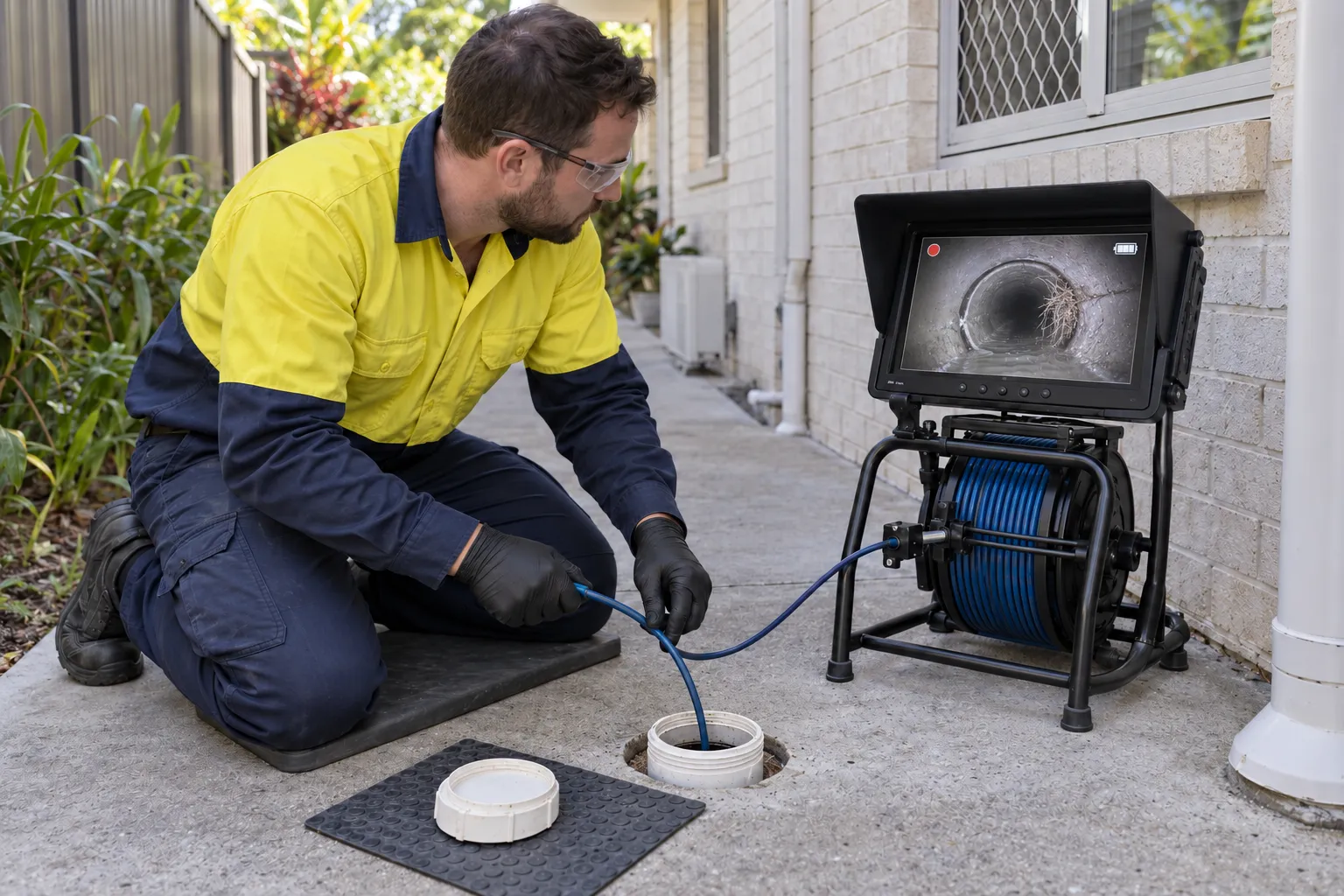
High-pressure water jetting uses pressurised water to break up stubborn buildup, remove grease and silt and clear tree roots from suitable drainage lines. It can clean more of the pipe's internal surface and may provide a longer-lasting result for severe or recurring blockages.
A CCTV drain camera can be used to identify the cause and location of a problem, including cracked, collapsed or root-damaged pipes. Although these services can increase the upfront cost, they can provide a more accurate diagnosis and help avoid unnecessary excavation or repeat work.
Recurring blockages, unexplained odours and problems affecting multiple fixtures are common signs you may need a CCTV drain inspection.
How Do You Know If a Blocked Drain Needs Professional Attention?
Minor blockages can sometimes be cleared with basic methods, but persistent or widespread drainage problems may indicate a deeper issue. Recognising the warning signs can help property owners seek professional assistance before the problem leads to an overflow or more extensive repair.
Professional attention is worthwhile when:
- The blockage keeps returning: Recurring blockages may indicate incomplete clearing, tree roots, heavy buildup or damaged pipework.
- Multiple drains are affected: Several sinks, showers or toilets draining slowly or backing up can indicate a blockage in the main drainage line.
- You notice gurgling or bad odours: These can indicate restricted water flow or problems within the drainage system when combined with slow drainage.
- Water is backing up or overflowing: Wastewater or sewage coming from a drain, toilet or outdoor inspection point indicates significant flow restriction and should be treated as a priority.
- Basic clearing methods have failed: If plunging or other simple methods do not restore normal drainage, continuing to use chemical cleaners or force tools into the pipe may not resolve the underlying problem.
Early professional assessment can help determine whether the drain simply needs clearing or whether further investigation is required.
How Long Does It Take to Clear a Blocked Drain?
The time needed depends on the type, severity and location of the blockage and the method required. A simple blockage caused by hair, soap or food waste and located close to an accessible fixture may be cleared relatively quickly. Deeper obstructions involving grease, scale, tree roots or heavy debris can take longer and may require specialist equipment.
Access can also affect the timeframe when underground pipes are difficult to reach. If a blockage is recurring or difficult to locate, a CCTV inspection may be needed to identify the obstruction and check the condition of the pipework. Any repairs identified during the inspection will add to the overall time.
Emergency blockages involving overflowing water or sewage may require prompt attention, but the time needed to resolve them will still depend on the underlying cause. Simple blockages may be cleared in a single visit, while complex problems can require additional clearing, inspection or repairs.
What Does Blocked Drain Clearing Usually Cost?
There is no single standard price for clearing a blocked drain because the final cost relies on the work involved. In general, basic drain clearing sits at the lower end of the cost range, while mechanical clearing, high-pressure water jetting and CCTV inspection involve additional equipment and labour.
Costs can increase further when a blockage is caused by tree roots, damaged pipework or a deeply located obstruction. If excavation, pipe replacement or relining is required, these repairs are separate from the initial clearing service and can increase the overall cost.
When comparing prices, check what the quoted amount includes. A clear quote should explain the call-out or inspection fee, the basic clearing service, any equipment charges and when additional work may incur extra costs. This makes it easier to compare quotes based on the overall service rather than simply choosing the lowest starting price.
When Can Extra Drain Inspection or Repair Costs Apply?
The initial cost may cover a straightforward obstruction, but additional charges can apply when the problem requires further investigation, specialist equipment or repairs. Recurring blockages, tree roots and damaged pipework are common reasons a basic drain-clearing service may lead to extra work.
CCTV Drain Inspection
A CCTV camera inspection may be recommended when a blockage keeps returning, is difficult to locate or appears to involve underground pipework. The camera can identify problems such as tree roots, cracked pipes or structural damage without unnecessary excavation. Because specialised equipment and additional time are involved, CCTV inspections are charged separately.
Jetting and Root Cutting
Stubborn grease, scale, sediment and tree roots may require high-pressure water jetting or mechanical root cutting. These methods require more specialised equipment than basic drain clearing and can therefore increase the overall cost.
Pipe Repairs and Replacement
Clearing a blockage may reveal that the underlying pipework is cracked, collapsed, misaligned or damaged by root intrusion. Depending on the condition and location of the pipe, the solution could involve replacing a damaged section, relining the pipe or carrying out excavation. These repairs are quoted separately from the initial drain-clearing service.
Can You Get a Price Before the Drain Is Cleared?
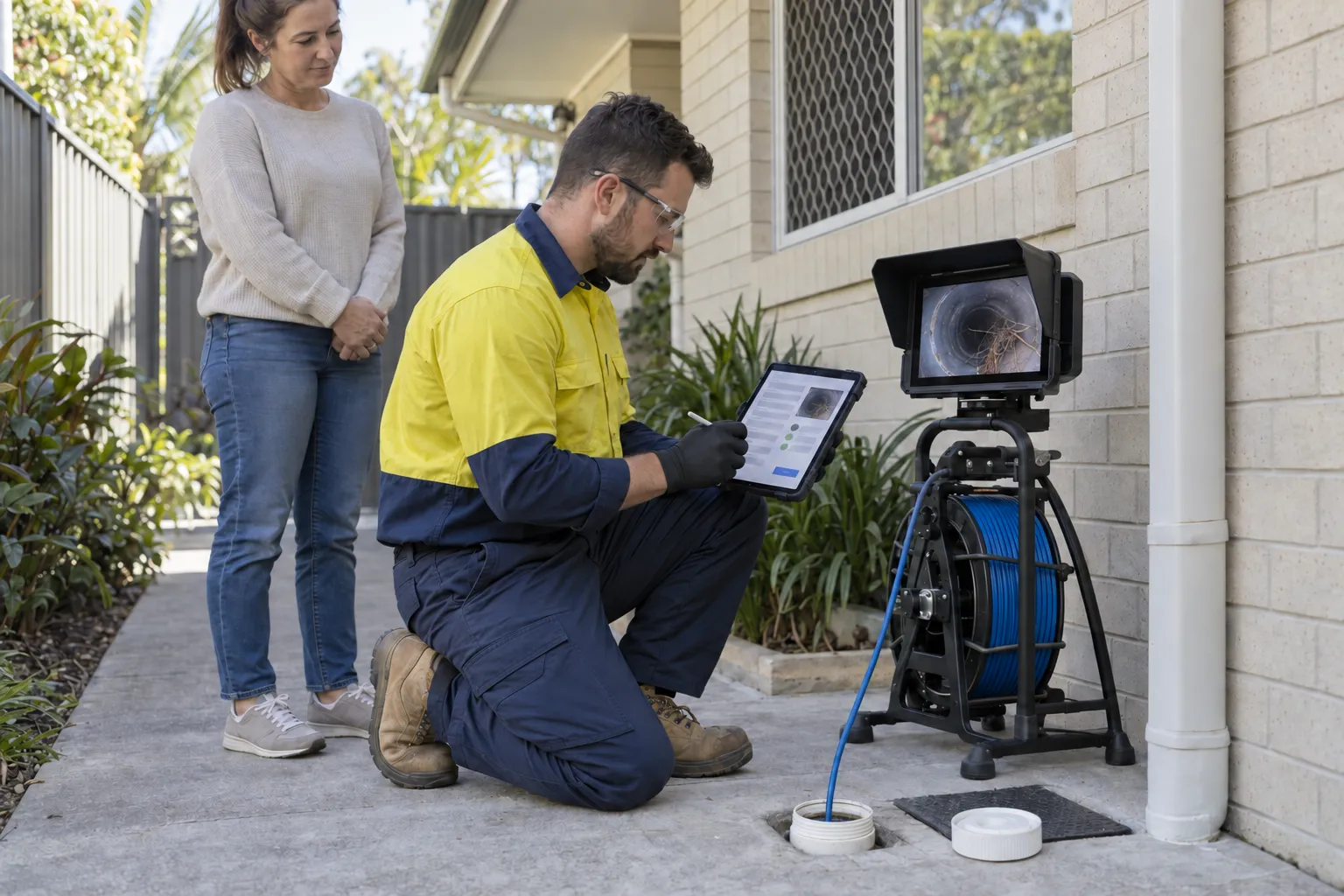
Yes, in many cases you can get a price before a blocked drain is cleared, although an exact final cost may not always be possible upfront. Straightforward blockages in accessible sinks, showers or toilets can often be covered by a fixed or upfront price for the call-out and basic clearing.
For more complex problems, such as recurring blockages, multiple affected fixtures, sewage overflow or suspected pipe damage, an estimate may be more realistic. The final cost can depend on what the plumber finds and whether mechanical clearing, water jetting, CCTV inspection or repairs are required.
A reputable plumber should explain what the initial price includes and when additional charges may apply before proceeding with extra work. If further inspection or repairs are recommended, the associated costs should be discussed before the work goes ahead.
Is It Cheaper to Fix a Blocked Drain Before It Gets Worse?
Yes, fixing a blocked drain early is usually cheaper than waiting for the problem to worsen. A minor blockage may only require basic clearing, while leaving it untreated can allow grease, debris or tree roots to build up and make the obstruction more difficult to remove.
Delaying attention can also allow an underlying drainage problem to cause further damage. Recurring blockages, standing water and wastewater backups may indicate damaged pipework that requires inspection, repair or excavation. Overflowing water or sewage can also cause additional damage to flooring, cabinetry and other parts of the property.
Slow drainage, gurgling sounds, unpleasant odours and recurring blockages are worth addressing early. Prompt assessment can help identify the cause while the problem is still manageable and reduce the likelihood of more extensive drainage work later.
What Should You Do While Waiting for a Blocked Drain to Be Cleared?
If a plumber is on the way, a few simple precautions can help prevent the blockage from worsening and reduce the risk of water or sewage damage. The priority is to limit water use, avoid potentially harmful DIY treatments and keep people away from contaminated water.
- Stop using the affected drain: Avoid using the sink, shower, toilet or other fixtures connected to the blockage. If several drains are affected, minimise water use throughout the property until the problem is assessed.
- Avoid chemical drain cleaners: Do not pour strong drain-cleaning chemicals into the pipe while waiting for professional assistance. If a chemical product has already been used, tell the plumber before work begins.
- Protect the affected area: If water or sewage is backing up, keep people and pets away. Brisbane City Council advises residents to avoid contact with raw sewage because of the potential health risks. Where safe, move belongings away from the affected area and limit the spread of water.
- Provide useful information: Tell the plumber when the blockage started and mention symptoms such as slow drainage, gurgling, unpleasant odours or multiple affected fixtures. Also explain any previous blockages or DIY clearing methods that have been attempted.
If basic clearing has already failed, it is better to stop experimenting with different products or tools and wait for professional assessment.
A straightforward obstruction may only need basic clearing, while tree roots, recurring blockages or damaged underground pipes can require specialist equipment, CCTV inspection or additional repairs. Rather than choosing a plumber based solely on the cheapest starting price, look for clear pricing, an appropriate diagnosis and a solution that addresses the underlying problem. Asking what the initial fee includes and when additional costs may apply can help avoid unexpected charges.
Hop To It Plumbing can help property owners assess and address drainage problems with an approach suited to the condition of the system. Acting early when slow drainage, gurgling or recurring blockages appear can also help keep the work more manageable and reduce the risk of a larger, more expensive repair.